How to Treat Snow Mold on Grass After a Harsh Winter?
You wait all winter to see your lawn again. Then the snow melts, and you find flat, pale, crusty patches spread across the grass. That sight can feel awful. The good news is that snow mold often looks worse than it is.
In many cases, your grass can recover with the right spring care. You do not need to panic. You do need to act early, stay gentle, and avoid steps that make the problem worse.
A fast, simple plan can help your lawn breathe again, push new growth, and fill in damaged spots before summer stress arrives.
This guide explains exactly what snow mold is, how to spot it, what to do first, and which fixes work best after a harsh winter. If your grass looks matted, gray, pink, or straw colored right now, this post will help you make smart next moves.
In a Nutshell
- Snow mold is a winter lawn fungus that shows up after snow melts. It often appears as round patches of matted grass that look gray, tan, white, or lightly pink. Many lawns recover well because the fungus often damages the blades more than the crown of the plant.
- Your first goal is airflow, not heavy treatment. Light raking, gentle cleanup, and better drying conditions usually help more than aggressive products. Wet, packed grass stays sick longer. Dry, open grass has a much better chance to recover.
- Do not rush into heavy fertilizer or strong chemical use. A lawn that is still cold and weak may not handle too much feeding. In many home lawns, spring fungicide use after symptoms appear does very little. A light and measured approach is usually the smarter path.
- Bare spots need a different plan than matted spots. If grass crowns are alive, the lawn may green up on its own with warmth and light care. If an area stays thin or dead after a short waiting period, overseeding becomes the best repair step.
- Prevention starts in fall, not spring. Leaves, snow piles, late season nitrogen, and long wet cover all raise risk. Keeping the lawn clean, mowing until growth stops, and avoiding big snow piles on the grass can cut down future damage.
- Patience matters, but so does timing. Snow mold can improve quickly once temperatures rise. Still, early spring action helps. The best plan is simple: rake lightly, watch for regrowth, repair thin areas, improve airflow, and set up better fall habits before next winter.
What snow mold is and why harsh winters make it worse
Snow mold is a fungal lawn disease that becomes active in cold, wet conditions near freezing. It often develops under long lasting snow cover, especially when the soil below the snow does not freeze hard. That trapped layer stays dark, damp, and still. Fungus loves that kind of space.
There are two common types. Gray snow mold usually needs snow cover and often shows up as pale, crusty, matted circles. Pink snow mold can appear under snow, but it can also grow in cold, wet weather without deep snow. That is why some lawns show damage even after a winter with mixed snow and thaw cycles.
A harsh winter raises risk because snow sits longer, melting is slower, and turf stays wet for more time. Snow drifts near driveways and sidewalks are common problem spots. Piled snow can also keep turf covered well past the rest of the yard.
Late fall lawn habits matter too. Heavy nitrogen late in the season can push soft growth that is more likely to suffer. Leaves and plant debris trap moisture and flatten the grass. That mix of wet blades, low air flow, and long cover gives snow mold a strong start.
The good news is that home lawns often recover. In many cases, the fungus harms the leaf tissue more than the growing point. That means your job is to help the lawn dry, breathe, and restart growth as spring settles in.
How to tell snow mold from normal winter damage
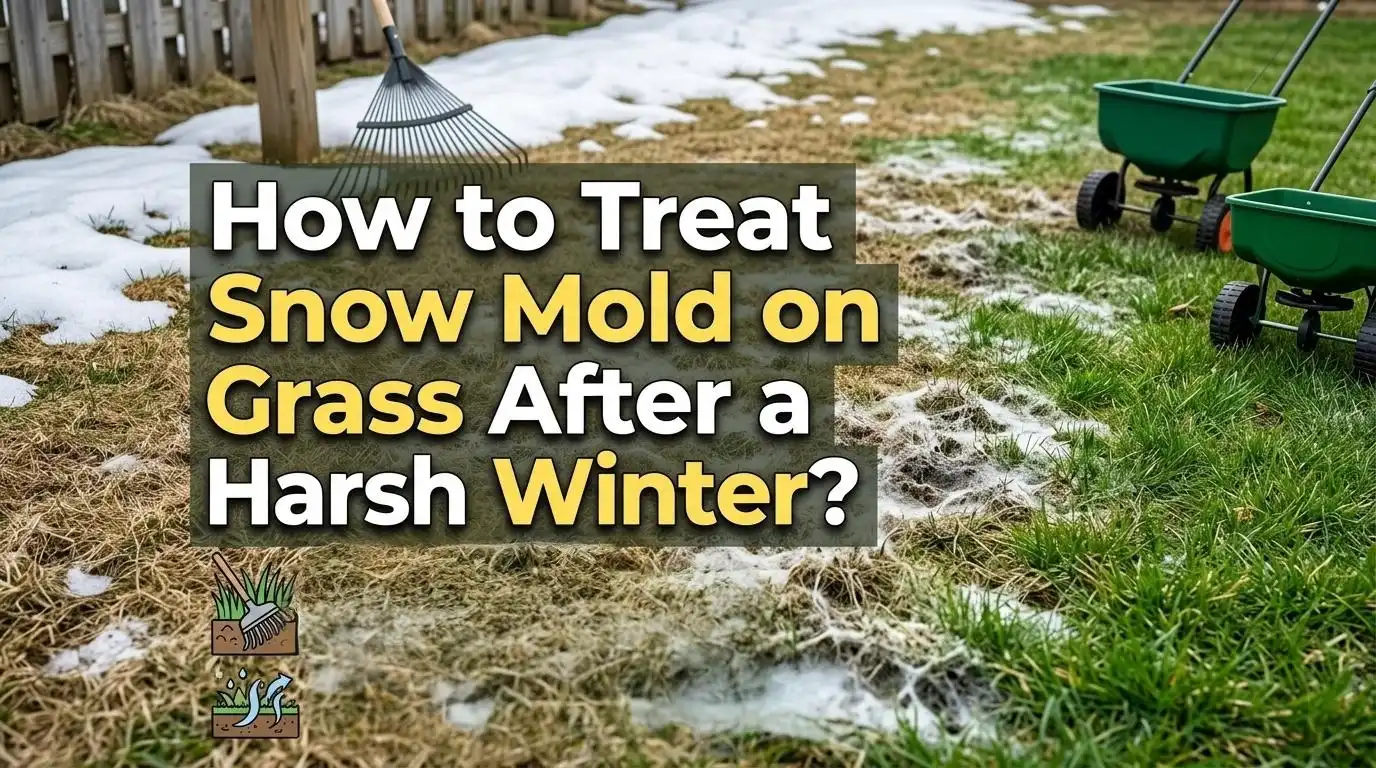
A lot of lawns look rough after winter, so it helps to know what snow mold actually looks like. The most common clue is a patch that looks circular or unevenly round. The grass inside the patch often appears flat, tangled, and stuck together. It may look gray, white, tan, straw colored, or faintly pink.
Gray snow mold can leave a dry crust over the blades. Pink snow mold can leave a slight salmon or pink cast, especially when the patch is fresh and damp. In both cases, the grass may look pressed down like it was glued to the soil.
Normal winter stress can also turn grass brown. The difference is the pattern and texture. Snow mold often forms clear patches with matted blades. Regular winter burn tends to look more scattered and dry, without the same fungal mat.
Here is a simple check. Pull apart a small patch with your fingers. If the blades separate like wet felt and the area smells musty, snow mold is likely. If the patch is just dry and brittle, the issue may be cold burn or dehydration instead.
Pros of early identification: you avoid wasted treatments, you act faster, and you reduce damage from overdoing spring care. Cons of guessing wrong: you may fertilize too soon, seed too early, or apply a product that does not help.
If you are unsure, wait a few days, then inspect again. A living crown may send up fresh green shoots as weather warms. That quick test tells you far more than the color of the blades alone.
What to do in the first 48 hours after snow melts
The first two days matter because the lawn is wet, weak, and easy to injure. Your goal is simple. Help the area dry out and avoid extra stress. Do not run over it with heavy equipment. Do not rake hard right away if the soil feels soft and muddy.
Start by keeping foot traffic low. Wet turf can tear fast, and that damage slows recovery. If a snow pile still sits on the lawn, break it up only if you can do it gently and safely. Smaller piles melt faster and shorten the time that grass stays trapped.
Next, remove obvious debris. Pick up branches, thick leaf mats, and trash that blocks light and air. If the grass surface feels very wet, wait a short time before deeper cleanup. Let nature do some drying first.
Once the patch is no longer soggy, use your hand or a leaf rake to lightly lift the matted grass. You do not need to rip the area open. You only want to separate the blades enough for air and light to reach the surface.
This stage is about restraint. Many homeowners do too much too soon. They power rake, dump on fertilizer, or water the lawn because it looks dry on top. That often makes things worse.
Pros of a gentle first response: low risk, low cost, and better odds of natural recovery. Cons: results may look slow for a few days, which can tempt you to overreact.
If the patch begins to loosen and small green shoots appear, you are on the right track. That is your sign to stay patient and move to the next recovery step.
How to rake matted grass without harming new growth
Light raking is one of the best first treatments for snow mold. It helps break up the crust, lifts the grass blades, and improves air movement near the crown. It also lets sunlight reach the base of the plant. That simple change can speed recovery more than many people expect.
Use a leaf rake or a flexible garden rake. Pull gently through the patch in short strokes. Work in more than one direction if the grass is tightly pressed down. Stop once the area looks fluffed up and loose. You do not need to scrape down to bare soil unless you plan to reseed later.
The biggest mistake is aggressive raking on a lawn that is still soft. If the soil is wet and muddy, wait. Heavy force can tear crowns, pull roots, and create larger bare spots than the fungus did.
If you see a dry surface crust, especially in gray patches, light raking helps remove that layer. If you see fresh green shoots after raking, that is a very good sign. It means the plant still has life at the base.
Pros of raking: it is cheap, fast, and often very effective. It improves appearance quickly and helps the lawn dry. Cons of raking: if you go too hard or too early, you can damage weak turf and make thin spots worse.
A smart rule is this. Rake to lift, not to strip. If the patch still has rooted grass and some color below the top layer, give it time after raking. Many areas rebound well once the mat opens and spring growth starts moving.
Should you fertilize right away or wait
Fertilizer can help snow mold recovery, but timing matters. A weak lawn does not need a heavy feeding the moment snow disappears. It needs warmth, airflow, and a chance to show whether the crowns are alive. Feeding too early can push soft growth before the root system is ready.
A better plan is to wait until the area shows signs of life or until soil conditions improve. If you see new shoots after a few days of drying and light raking, a light spring feeding may help the lawn fill in. Keep it modest. Too much nitrogen can create fresh stress and uneven growth.
For damaged cool season lawns, a light rate works better than a heavy push. If you already fertilized the lawn earlier in spring, do not pile more on top just because the patch looks ugly. The color of dead blades can fool you into thinking the lawn needs more than it actually does.
Warm season lawns often need even more patience. If the disease hit dormant blades and the growing points are still sound, the turf may recover as weather truly warms.
Pros of light spring feeding: it can boost regrowth, improve color, and help recovery after raking. Cons: if used too early or too heavily, it can stress the lawn, waste money, and create weak top growth.
The best way to decide is simple. Watch first, feed second. If the patch begins to green up, a light feeding can support recovery. If the patch stays flat and lifeless, overseeding or repair work may matter more than extra fertilizer.
When overseeding is the best fix for thin or bare patches
Some snow mold patches bounce back well. Others stay thin, weak, or bare. That is when overseeding becomes the right move. You do not need to seed every patch right away. First, give the grass a short chance to recover after cleanup and light raking.
If you still see bare soil, broken crowns, or no new shoots after a brief waiting period, seed the area. Choose grass that matches the rest of the lawn as closely as possible. A repair looks better and establishes more evenly when the texture and color fit the yard.
Start by loosening the surface with a rake. Clear away dead mats so the seed can touch soil. Spread the seed lightly and evenly. Then rake once more with a soft touch so seed settles into the top layer. You want good soil contact, not deep burial.
Keep the area lightly moist during germination, but do not soak it. A flooded patch can invite more disease and wash seed away. Once seedlings appear, shift to less frequent watering with a little more depth.
Pros of overseeding: it repairs bare spots, thickens thin turf, and improves the lawn faster than waiting alone. Cons: new seed needs regular moisture, can fail if timed poorly, and may stand out if the grass type does not match.
Overseeding works best when the patch is truly damaged, not just matted. If living crowns remain, the lawn may recover without much seed. Use seed as a repair tool, not a reflex.
How to improve drainage and air flow so fungus stops spreading
Snow mold loves moisture that stays trapped near the turf surface. That is why drainage and air flow matter so much after a hard winter. If one corner of your yard stays wet long after the rest dries, that area will likely keep having trouble.
Start by noticing patterns. Does the problem show up near a downspout, fence line, driveway edge, or shady corner? Those spots often stay damp longer. If shrubs or low tree limbs block sun and breeze, the grass under them dries much slower.
A quick fix is to open the area as much as possible. Rake out the patch, clear debris, and let sunlight hit the turf. If nearby plants block the space, selective pruning can help increase light and air movement.
For lawns that stay soggy each spring, core aeration later in the proper growing period can help water move into the soil and improve drying. If water pools often, you may need grading or drainage work to fix the issue for good.
Pros of improving drainage and air flow: it treats the cause, not just the symptom, and it helps with many lawn problems beyond snow mold. Cons: some solutions take time, cost more, or need better weather before you can do them.
Still, this is one of the smartest long term moves you can make. A lawn that dries faster gets sick less often. That rule helps in spring, summer, and fall.
What to do about thatch, leaves, and snow piles
Snow mold often starts where the lawn stayed packed down and wet. That means surface clutter matters a lot. Leaves, thick thatch, and snow piles create a blanket that holds moisture against the grass for too long.
Leaves are the easiest fix. If any are left from fall or blown back in during winter, remove them early in spring. Even a thin layer can keep the patch damp and block recovery. The same idea applies to twigs and plant trash.
Thatch needs a little more thought. A small amount is normal. Too much thatch traps water and reduces air at the surface. If your lawn has a spongy feel, thick thatch may be part of the problem. Still, do not attack it at the wrong time. Major dethatching is best done when grass is actively growing and able to recover.
Snow piles are a common hidden cause. Many people shovel driveway snow onto the same lawn edge all winter. That spot stays covered longer, which raises disease risk. Try to spread snow out more evenly next winter if space allows.
Pros of cleaning the surface: low cost, simple, and effective for prevention. Cons: it takes some effort and may not solve deeper drainage or shade issues by itself.
Think of the lawn surface like a breathing layer. If it is buried under leaves, thatch, and dirty snow for weeks, the grass has a much harder time coming back strong in spring.
Are fungicides worth using after snow mold appears
This is one of the biggest questions homeowners ask. The short answer is usually no. For most home lawns, fungicide use after snow mold shows up in spring does not do much. Gray snow mold in particular is generally treated before winter, not after symptoms appear.
Pink snow mold is a little different because it can stay active in cold, wet spring weather. Even so, many home lawns recover without spring fungicide treatment. That is why simple cultural steps are usually the first and best response.
Fungicides make more sense for high value turf, such as golf greens or areas with a long history of severe loss. In a home yard, the lawn often improves with raking, light feeding, warmer weather, and repair seeding where needed.
There is also the cost issue. Chemical treatment can be expensive, and using it at the wrong time gives little return. If the lawn already has visible patching after snow melt, a spring fungicide often arrives too late to reverse the damage.
Pros of fungicides: they can help in very specific cases, especially as prevention before winter in high risk sites. Cons: cost, timing limits, low value after symptoms appear, and unnecessary use on lawns that would recover anyway.
A better question is this. Does your lawn need chemical control, or does it need air, warmth, and repair? In most residential cases, the second answer is the right one.
How to prevent snow mold next fall and winter
The best snow mold treatment plan starts months before snow arrives. Fall habits shape spring results. If you had snow mold this year, use that memory to build a cleaner winter setup for next season.
First, avoid heavy late season nitrogen. Too much fall feeding can push tender top growth that stays lush going into cold weather. That kind of growth is more likely to mat down and hold moisture.
Second, keep mowing until the lawn stops growing. Do not let the grass head into winter tall and floppy. A lawn left too long tends to collapse under snow and stay wetter at the surface. Your final cuts should keep the lawn neat without scalping it.
Third, remove leaves and debris before the first lasting snow. This one step matters more than many people realize. A clean lawn dries better and has fewer trapped wet pockets.
Fourth, avoid making giant snow piles on the same turf area all season. Spread snow out if you can. Long cover equals higher risk. Driveway edges and sidewalk banks are classic trouble spots.
Finally, deal with deeper issues like poor drainage, heavy thatch, or low air flow from dense plantings. Pros of prevention: cheaper than repair, less spring stress, and a healthier lawn year round. Cons: it takes planning, and you do the work long before you see the reward.
Still, prevention is where you gain the most. A lawn that enters winter clean, balanced, and well cut stands a much better chance after a harsh season.
When to call a lawn care professional and what recovery looks like
Most snow mold problems in home lawns improve with simple care. Still, some cases need outside help. If a large part of the yard stays dead, if the lawn has repeat problems every year, or if you see severe thinning that spreads beyond a few patches, it may be time to call a local lawn professional.
A pro can help confirm whether the issue is truly snow mold or a mix of problems such as compaction, drainage failure, salt injury, shade stress, or crown death. That matters because a wrong diagnosis wastes time and money.
You should also get help if water stands in the same area for days, if soil feels badly compacted, or if the lawn has heavy thatch across a wide space. Those are site problems, not just winter problems.
Recovery usually follows a simple pattern. First, the matted patch loosens after raking. Then the color stays ugly for a bit. After that, new green shoots begin to rise from the base if the crowns are alive. Thin areas fill in with growth or with seed, depending on damage level.
Do not judge the lawn too early. Many patches look terrible right after snow melt and much better a few weeks later. A patient but active approach works best. Clean it up, help it dry, support regrowth, and repair only what fails to bounce back.
FAQs
Can snow mold kill grass completely
Yes, it can kill grass in some spots, but many home lawns recover because the fungus often damages the blades more than the crown. If you rake the patch lightly and see fresh green shoots within a short time, the grass is still alive. If the area stays bare and lifeless, overseeding or spot repair is the better fix.
Should I water a lawn with snow mold
Usually, no extra watering is needed at first. Snow mold develops in wet conditions, so the lawn often has enough moisture already. Let the patch dry and open up before you think about irrigation. If you overseed later, then you should keep the seedbed lightly moist until seedlings establish.
Is pink snow mold worse than gray snow mold
Pink snow mold can be more persistent because it can stay active in cold, wet weather even without deep snow. Gray snow mold is often tied more closely to long snow cover. Both can look bad, but both often improve with spring cleanup, airflow, and warmer weather. The exact risk depends on your grass type and site conditions.
How long does it take for snow mold damage to go away
Light cases may improve within days once the patch dries and growth resumes. Moderate damage can take a few weeks to blend back into the lawn. Bare spots take longer because they need new growth or seed. The main factors are temperature, light, soil condition, and whether the crowns survived winter.
Can I mow over snow mold patches
Yes, but wait until the lawn is dry enough and growth has restarted. Mowing too soon on soft turf can tear weak grass and leave ruts. Once the area firms up, regular mowing helps the lawn look cleaner and encourages even growth. Keep blades sharp and avoid cutting too much at one time.
Research used for accuracy: Penn State Extension, Virginia Cooperative Extension, Ohio State University Turf, Iowa State University Extension, Utah State University Extension, Connecticut Agricultural Experiment Station, University of Missouri Extension.

Hi, I’m Jane! As a passionate gardener and product enthusiast, I spend my days testing garden tools, comparing products, and writing honest reviews so you don’t have to learn the hard way. Got a question? Feel free to reach out — I’d love to hear from you!