
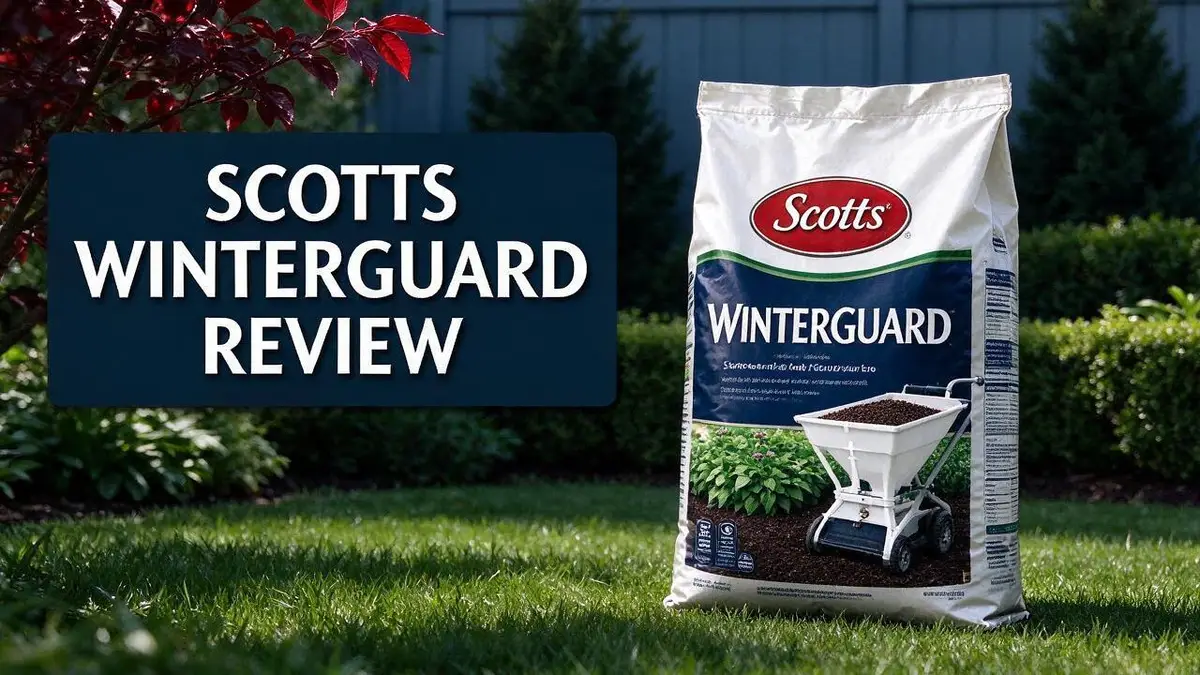
Scotts WinterGuard Review: Does This Fall Lawn Fertilizer Really Work?
Is your lawn ready for cold weather? Scotts WinterGuard is one of the most talked about fall lawn fertilizers around. Many homeowners want to know if it really works.
Fall is a key time for lawn care. Grass roots grow during cool weather, so feeding your lawn now can pay off in spring. This guide looks at what WinterGuard promises and how it performs.
The bag is a Turf Builder product that covers up to 12,000 square feet. It is a synthetic fertilizer with nitrogen, potassium, and sulfur.
The brand says it thickens bare spots, boosts growth, and helps crowd out weeds.
Reviews are mixed. Some users love the fall results. Others say it did little for lawn weeds. Keep reading to see which lawns it suits best.
In a Nutshell
-
Nitrogen takes the lead. The 32-0-10 ratio packs a strong dose of nitrogen. This helps your grass stay green during cold months and supports steady growth.
-
Potassium and sulfur join the blend. Potassium supports overall plant health and helps grass handle stress. Sulfur adds another nutrient that many lawns need for a healthy color.
-
The formula is synthetic. This product is not an organic option. Buyers who prefer natural or organic products should look at other choices before they buy.
-
The base bag skips weed control. Only the Weed and Feed version targets weeds. That version handles more than 50 common lawn weeds, such as clover, dandelion, and plantain.
-
Spreader setting matters. Amazon Q&A advice suggests setting the spreader higher than the label recommends. Test a small patch first so you can check the coverage before you spread across the whole yard.
-
Results vary between users. One reviewer saw no effect on lawn weeds. Another reviewer gave it strong praise for fall use. Read several reviews and compare them with your own lawn needs before you decide.
Nutrient Formula and Ingredients

- FALL LAWN FERTILIZER: Scotts Turf Builder WinterGuard Fall Lawn Food is a fertilizer that builds strong...
- SUMMER LAWN RECOVERY: Our fertilizer provides nutrients lawns need to help recover from summer heat...
Last update on 2026-11-25 / Affiliate links / Images from Amazon Product Advertising API
Every fertilizer bag lists three main nutrients. Scotts WinterGuard follows that same pattern, but its mix looks different from many other fall products.
The first number tracks nitrogen, and the bag lists 32 there. The second number is phosphorus, and it sits at zero. This means the bag adds no phosphorus at all.
Phosphorus plays a role in root development and energy transfer. Many lawns already hold enough phosphorus in the soil. A soil test helps you check before you add any extra.
Sulfur is the ingredient many readers overlook. It supports protein building in the grass blades. Lawns with low sulfur can look pale, so this addition matters.
The formula works as an all in one particle product. Each granule carries several nutrients, so you spread one product instead of mixing several. That saves time on busy fall weekends.
Fall feeding matters because roots keep growing while top growth slows. Nutrients that reach the root zone during cooler weeks can support stronger roots. Grass then enters winter in better shape.
Read the label closely before you start. Directions tell you how to match the blend to your grass type. Many cool season grasses respond well to this kind of feeding.
Think about your soil before you choose this blend. A zero phosphorus ratio suits lawns that already test high in that nutrient. Lawns that test low may need a different option.
Good habits still matter most. Regular mowing, deep watering, and proper timing help any fertilizer work better. Pair the bag with those habits for the best results.
Watch for color changes after feeding. A deeper green often shows that the grass took up the nitrogen. Pale patches that stay for weeks deserve a closer look.
Keep notes each season. Write down the date, the weather, and how the lawn looked. These notes help you compare results over time and adjust your plan next fall.
Coverage and Application Rate
Figuring out how much product you need is a smart first step. The bag label lists a coverage area, and that number helps you plan. Many homeowners skip this step and end up short or with extra left over.
Start by measuring your lawn. Multiply the length by the width of each section. Add the totals together to get your full lawn size. Round up a little so you have enough.
The larger bag holds 32.3 pounds. The smaller bag holds 11.43 pounds and covers about 4,000 square feet. This smaller size works well for a small yard or a few tight spots. Pick the bag that matches your yard, not the one that looks biggest.
Do not forget to remove areas you do not plan to feed. Driveways, patios, garden beds, and the house foundation take up space. Subtract these from your total before you buy.
Application rate matters just as much as coverage. Coverage tells you how far one bag can go. Rate tells you how much product lands on each square foot. Too little feeds the lawn poorly. Too much can burn grass.
Read the label for the recommended rate. Most bags list a rate in pounds per thousand square feet. Use that number with your lawn size to find the total amount you need.
Test your spreader before you start. Pour a measured amount into the hopper. Spread it over a tarp or hard surface. Then sweep it up and weigh it. This quick check shows how your spreader actually performs.
Overlap your passes. Walk in straight lines with a slight overlap each time. Gaps leave pale stripes. Double coverage creates dark green streaks or stress. A steady walking pace keeps the output even.
Split the lawn into halves or quarters if it is large. Apply half in one direction. Then apply the rest at a right angle. This pattern helps you spread evenly across every section.
Keep a log of what you use. Note the bag count, the date, and the lawn size. A written note also helps you track how the lawn responds. Next season, this record makes buying and planning much easier.
Results on Lawn Density and Growth
Lawn density describes how thickly grass grows across the soil. Many homeowners want a fuller lawn before winter arrives. Growth depends on timing, weather, and overall lawn health.
Density and growth are not the same thing. Growth shows as new blades and longer grass. Density shows as more plants packed into each square foot.
A fall fertilizer aims to support both. You may notice one change before the other, so give the lawn time.
Start by checking the thinnest patches first. Look at them in the morning when dew makes blades easier to see. Feel whether the grass seems fuller under your hand.
Expect slow changes in cool weather. Cool season grasses often send out new shoots in early fall.
Warm soil and moist ground help that process. A fertilizer supplies nutrients these shoots need to fill gaps.
Compare your lawn with photos. Take a picture of one bare spot before you feed.
Take another every two weeks from the same angle. Side by side images show real change better than memory.
Mowing height also affects density. Keep the blades at a steady length. Cutting too short can stress the grass and slow recovery. Leave enough leaf surface for steady growth.
Weather plays a big role too. Heavy rain can wash granules into low spots. Dry soil can limit how well the grass takes up nutrients.
Be honest about results. Some lawns fill in well. Others show little change, especially when shade or compacted soil limits growth.
Density gains depend on the whole lawn care plan. One bag alone rarely fixes every problem. Think about mowing, watering, and soil health together.
Use a simple tracking sheet. Count bare patches each week. Note any new green blades. Record mowing height and rainfall too.
Over one full season, these notes show whether the lawn truly gains density. Patterns become clear, and you can adjust your next steps with confidence.
Top 3 Alternatives
Looking for a good lawn care option before winter? These three choices work well for many yards. Each one feeds grass before the cold weather arrives.
Espoma Winterizer

- CONTAINS: Turf-tone Fall Winterizer — a premium 8-0-5 fertilizer made from the finest natural and...
- FOR USE ON: Use for all lawns. Ideal for fescues, bluegrass, rye grass, St. Augustine and zoysia. Won’t...
Last update on 2026-11-25 / Affiliate links / Images from Amazon Product Advertising API
Espoma Winterizer is an organic fertilizer made for cool season grass. It feeds roots slowly, so your lawn stays healthy through the cold months. Most homeowners apply it in late fall, after growth slows but before the ground freezes.
It works well for people who want natural ingredients. It also adds helpful microbes to the soil. Keep it off paved areas so it does not wash into storm drains.
Milorganite Fertilizer

- Bundle of 2 items: One 32 lb bag of Milorganite 6-4-0 fertilizer and one printed feeding and spreader...
- Low-salt formula: Milorganite contains virtually no salts, helping avoid streaks, stripes, and fertilizer...
Last update on 2026-11-25 / Affiliate links / Images from Amazon Product Advertising API
Milorganite Fertilizer is a slow release option made from processed microbes. It supplies nitrogen gradually, which helps grass recover from summer stress. Many gardeners like its gentle feeding and low risk of burning the lawn.
Spread it evenly with a broadcast spreader for the best results. Water the lawn lightly after application so nutrients reach the roots. It has a strong smell at first, but the odor fades within a day.
Scotts Turf Builder

- FERTILIZER FOR NEW LAWNS: Scotts Turf Builder Starter Food for New Grass is a specially formulated...
- SAFE FOR ALL GRASS TYPES: This 24-25-4 NPK lawn care product is safe to use on any grass type

Last update on 2026-11-25 / Affiliate links / Images from Amazon Product Advertising API
Scotts Turf Builder is a popular choice for visible results. It contains a blend of nutrients that thicken thin patches. Apply it in fall, and your grass will look fuller by spring.
Read the label before you spread. Use the correct rate for your lawn size. Too much product can scorch grass, so measure carefully.
Base Formula vs. Weed & Feed Version
The base formula feeds grass but does not control weeds. It focuses on nourishing the turf. If weeds are rare in your yard, this version may be all you need. Your grass can thicken on its own with steady feeding.
The weed and feed version adds a second job. According to the product details, it controls more than 50 listed lawn weeds, including clover, dandelion, and plantain. One bag can feed your grass and target those weeds in the same pass.
Choose the base formula when your lawn looks mostly clean. Choose the weed and feed version when broadleaf weeds crowd your grass each year. Take a walk across the yard first. Count the weeds you see, then decide.
Some people use a smart middle path. They buy the base formula and pull or spot treat the few weeds they find. This gives you control over where any product lands. It also keeps weed control products off areas that do not need them.
New seed needs extra care. If you plan to overseed, weed control products can harm young grass. Read the label for waiting periods before you seed or feed. Following those steps protects your investment in fresh growth.
Pets and children need extra attention with the weed and feed version. Keep them off the lawn until the product has settled and the area looks dry. Store any leftover bag in a cool, dry place with the lid sealed tight.
Set realistic expectations either way. Weed results depend on the weed type, the weather, and how evenly you spread the product. Reviews for this product are mixed, so you should not expect miracles. Watch your lawn over several weeks before you judge the results.
Fall Timing and Seasonal Use
Timing makes a big difference with this fertilizer. Fall is a key season for cool season grass. Roots grow and store energy during these weeks. Feeding at the right moment helps your lawn use nutrients well.
Most lawns respond best when days feel mild and nights turn cool. Soil stays warm enough for roots to keep working. Grass keeps growing during this window, so it can take up the feed.
Check the forecast before you spread. Aim to feed several weeks before the ground freezes. This gives roots time to put nutrients to use before winter slows growth.
Avoid feeding during a heat wave or drought. Stressed grass may struggle or turn brown. Wait for cooler days and soil that holds some moisture.
Rain changes the plan too. A light rain helps the granules settle into the soil. Heavy rain can wash product away, so look at the weather a day ahead.
Dry spells after feeding can also slow results. A gentle watering helps the nutrients move down to the roots.
Seasonal use does not always mean one application. Some lawns need one feeding in early fall. Others benefit from a second, lighter feeding later. The look of your grass tells you which path fits best.
Your region matters as well. Lawns in colder areas often finish feeding earlier. Warmer areas may enjoy a longer window, so the schedule shifts a bit.
Shorter days mean slower growth, so timing matters even more. Feed early enough for the grass to benefit before dormancy.
Leaves can block sunlight for a while. Rake heavy piles off the grass before you feed. Clean blades let the granules reach the soil more easily.
Think of fall as a season of preparation. Feeding now sets up your lawn for winter rest and spring recovery. Good timing turns a simple task into a lasting benefit. Simple notes make the next season easier to plan.
Pros and Cons
Pros
- It feeds the lawn with nitrogen, potassium, and sulfur in one bag.
- It is marketed to thicken thin spots and boost growth.
- One reviewer calls it the best choice for fall.
- The large bag covers up to 12,000 sq ft.
- A smaller 4,000 sq ft size is also available.
Cons
- Some reviewers see no effect on lawn weeds.
- One reviewer says they would not recommend it.
- The Amazon Q&A suggests setting the spreader higher than the label says.
- It is synthetic, so it does not suit people who want organic lawn care.
Who Should Buy It
Not every lawn owner needs this fertilizer. It fits best with people who want a simple fall routine. The bag is easy to pick up and easy to spread.
Homeowners with a mostly healthy lawn often get the most from it. Maybe your grass grows well in spring but looks tired after summer heat. A fall feeding can help it recover before cold weather arrives.
Owners of large yards may find it especially handy. If you own a large yard, one bag may cover the whole job. That saves trips to the store.
Beginners who feel unsure about lawn care may like the simple approach. You do not need to mix products or track many steps.
You spread the granules, water lightly if needed, and let the grass do the rest.
Gardeners who keep a regular feeding calendar can add this to the plan. It works well as one step in a yearly routine. Pair it with mowing at the right height and steady watering.
Shoppers who mow often and water on schedule may see steadier results. Good habits help any fertilizer work better. Your routine matters as much as the bag you buy.
People who want more proof before buying should read several reviews. Opinions are mixed, and some buyers saw little change in weeds. Looking at several opinions helps you decide with more confidence.
Lawns with large dead patches need more than fertilizer. This product supports healthy grass, but it cannot bring back dead areas. Start with repairs, then feed the lawn once it looks ready.
In short, this fits owners who want a simple fall feeding. Choose it if your lawn is mostly healthy and you want an easy routine. Skip it if you need heavy repairs or strict weed control.
Final Verdict
Here is the bottom line. Scotts WinterGuard can be a sensible pick for a simple fall routine. It fits lawns that already look fairly healthy.
Start with your goals. If you want a clear weed fix, this bag alone may fall short. You may need a separate weed product for that job.
Set a checkpoint in spring. Look for denser grass, fewer thin patches, and a richer green color. Those signs show whether the feeding worked.
Give the lawn time to respond. Results rarely appear overnight. Patience matters more than a quick fix in this case.
Judge the product after a full season. One year gives you useful clues. Two years show the real trend.
Expect teamwork, not magic. No single bag fixes every problem. Mowing height, watering habits, and soil health matter just as much.
Test the spreader before you commit. Spread a small patch first and check the pattern. Adjust the setting until the granules land evenly.
Keep the bag stored dry and sealed. Moisture can clump the granules and change how they spread.
Keep a simple log. Note the date, the spreader setting, and the weather. This record makes next year’s plan much easier to build.
Who should skip it? Gardeners who want a fully organic program may prefer other options. Owners of lawns with heavy weed pressure may also need a targeted plan.
Those choices make sense when they match your goals. There is no wrong answer, only the right fit for your yard.
Our final take: Scotts WinterGuard suits busy homeowners who want a straightforward fall feeding. It gives lawns a useful push before winter sets in.
If that sounds like your yard, give it a fair trial. Pair it with steady care, and your lawn will likely show the difference next spring.
Frequently Asked Questions
When is the best time to spread it?
Spread it during fall, when grass is still growing but the weather is cooling. Check the label for your local timing before you start. Spreading too late may leave the grass with less time to use the nutrients.
Can I use it on a new lawn?
Wait until new grass is well established before you spread. Fresh seedlings have delicate roots that granules can disturb. Mow the lawn a few times first, then follow the label directions.
Is it safe for kids and pets?
Keep kids and pets off the lawn until the granules are watered in. Sweep any loose granules off sidewalks and patios. Always follow the label instructions for how long to wait.
What if I miss a strip while spreading?
Walk back over the missed spot with a light pass. A small overlap is better than a gap. Do not double up heavily, since too much fertilizer can burn the grass.
Will it work in shady areas?
Shade limits how well grass grows, so results may be slower. Sunny sections of the lawn usually respond best. Shady patches may need a separate plan that fits the amount of light they get.

Hi, I’m Jane! As a passionate gardener and product enthusiast, I spend my days testing garden tools, comparing products, and writing honest reviews so you don’t have to learn the hard way. Got a question? Feel free to reach out — I’d love to hear from you!


