How to Treat Lawn Rust Disease Without Hiring a Professional?
Have you noticed an orange powder coating your shoes after walking across the grass? Does your lawn look dusty, yellowish, or weak in patches?
You are likely dealing with lawn rust disease, a common fungal problem that affects millions of yards every year. The good news is you can fix it yourself.
This guide walks you through every step. You will learn how to spot rust early, treat it with simple methods, and prevent it from coming back.
Key Takeaways
- Lawn rust is a fungal disease that thrives in warm, humid weather and weak, slow growing grass. It leaves an orange or yellow powder on grass blades and shoes.
- Most cases of lawn rust go away with good lawn care. You often do not need fungicides if you act early and adjust your mowing, watering, and feeding habits.
- Nitrogen rich fertilizer is your strongest tool. Feeding the grass helps it grow faster than the fungus can spread, which clears rust naturally.
- Water deeply in the early morning, never at night. Wet grass overnight is the main reason rust spreads quickly across yards.
- Home remedies like baking soda spray, neem oil, and milk solutions work well for mild cases. For severe outbreaks, a store bought fungicide with propiconazole or azoxystrobin will solve the problem fast.
- Prevention beats treatment every time. Healthy soil, sharp mower blades, less shade, and proper airflow keep rust away long term.
What Is Lawn Rust Disease and Why Should You Care
Lawn rust is a fungal disease caused by fungi in the Puccinia and Uromyces families. It attacks grass blades and leaves behind orange, yellow, or reddish brown spores. These spores rub off on shoes, pets, and mower wheels.
The disease usually shows up in late summer and early fall. It loves warm days, cool nights, and heavy dew. Cool season grasses like Kentucky bluegrass, ryegrass, and tall fescue are the most common victims.
Rust does not kill your grass right away. But it weakens the plant over time. A weak lawn becomes thin, patchy, and open to other diseases, weeds, and pests. If you ignore it for too long, you may end up with bare spots that need reseeding.
You should care because rust is a sign your lawn is stressed. It tells you that something in your lawn care routine needs to change. Catching rust early saves you money and effort. Most homeowners can treat it in two to three weeks with simple changes. Waiting too long means more damage and possibly the cost of new sod.
The disease also stains. Orange powder gets on shoes, clothes, paws, and patio furniture. So treating it quickly keeps your home cleaner too.
How to Identify Lawn Rust on Your Grass
Spotting lawn rust is easier than you think. The signs are clear once you know what to look for. Walk across your lawn in the morning when dew is still on the grass. If your shoes turn orange or yellow, that is rust.
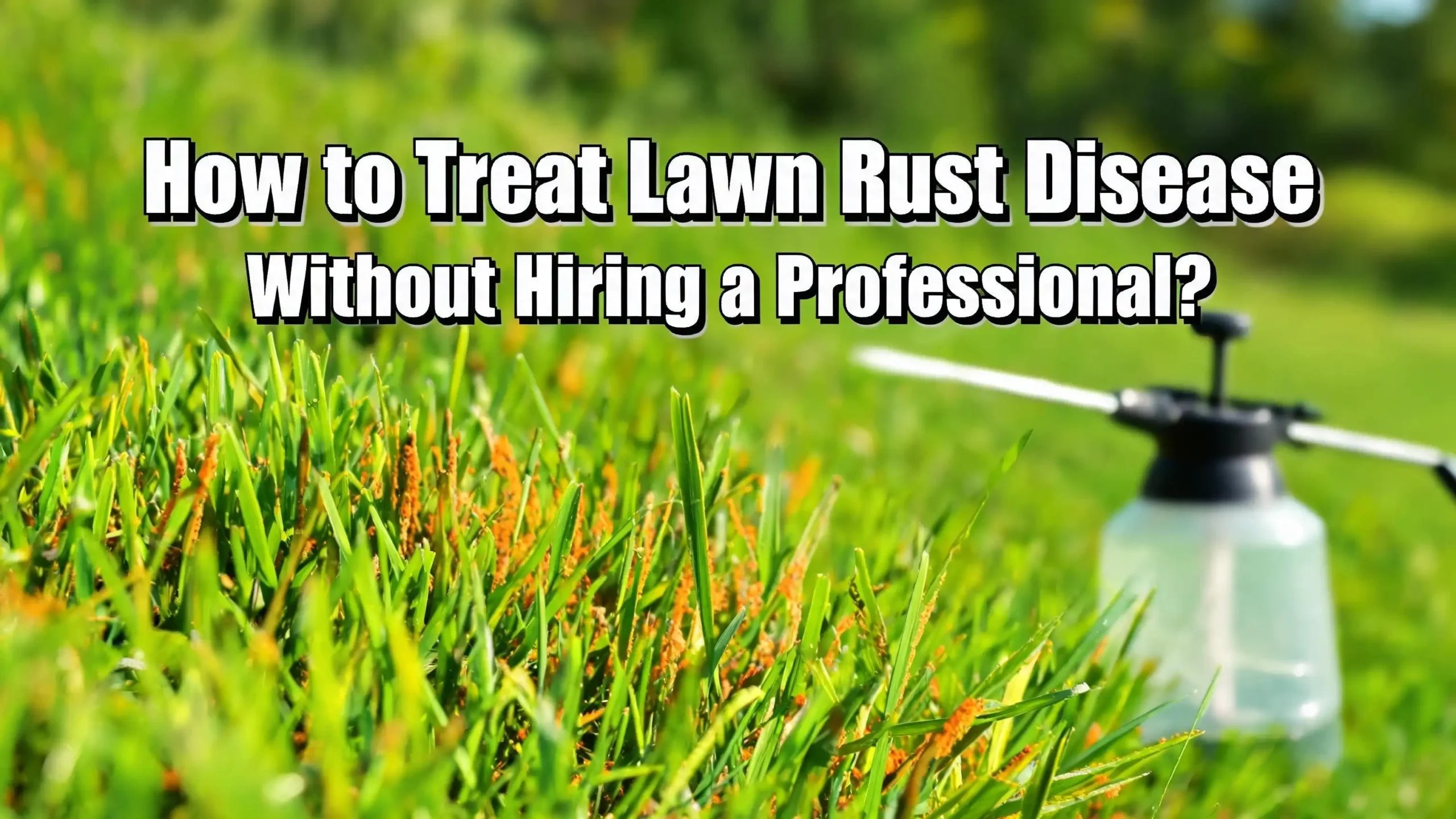
Look closely at individual grass blades. You will see small yellow or light green flecks at first. Over a few days, these flecks turn into raised orange, red, or brown bumps called pustules. When you rub a blade between your fingers, colored powder comes off easily.
From a distance, rust infected lawns look thin, dull, and slightly yellow. You may notice irregular patches of weak grass instead of perfect circles. This sets rust apart from other lawn diseases like brown patch or dollar spot, which form clear rings or shapes.
Here are the main signs to check for. Look for orange or yellow dust on shoes and pets, raised pustules on grass blades, yellowing patches across the lawn, and a powdery texture when you touch the grass.
Pros of self diagnosis: It saves you money, takes only a few minutes, and helps you act fast.
Cons of self diagnosis: You might confuse rust with other diseases like leaf spot or dormancy. If you are unsure, take a clear photo and compare it to images from a university extension website.
Why Does Lawn Rust Appear in Your Yard
Lawn rust does not show up by accident. It appears when conditions are just right for the fungus and just wrong for your grass. Understanding the cause helps you stop it for good.
The biggest trigger is slow grass growth. When grass grows slowly, the fungus has more time to attach and spread. Slow growth happens during droughts, heat waves, low nitrogen, or compacted soil.
The second trigger is moisture. Rust fungus needs wet leaves for six to eight hours to germinate. Watering at night, heavy dew, or shaded areas that stay damp all day create perfect conditions.
Other common causes include low nitrogen levels in the soil, shaded spots that block sunlight, poor air flow from thick shrubs or fences, mowing too low, and dull mower blades that tear grass instead of cutting clean.
Weather plays a big role too. Temperatures between 68 and 85 degrees Fahrenheit with humid nights are ideal for rust. That is why late summer outbreaks are so common.
Compacted soil also matters. Roots cannot breathe in hard soil, so the grass stays weak. Weak grass cannot fight off fungal spores. Once you fix the root cause, rust often disappears on its own.
Pet urine spots, fertilizer burn, and old thatch buildup can also weaken the lawn enough for rust to take hold.
Mow Your Lawn the Right Way to Remove Rust Spores
Mowing is your first line of defense against lawn rust. Each time you mow, you cut off infected blade tips and remove millions of spores from the lawn. But you need to do it correctly.
Set your mower height to the upper end of your grass type’s range. For most cool season grasses, that means three to four inches. Taller grass shades the soil, holds more moisture deep in the roots, and resists fungus better.
Mow more often during a rust outbreak. Aim for every three to five days instead of weekly. This removes new spores before they spread.
Always bag the clippings during an active rust infection. Do not mulch or leave them on the lawn. Clippings full of spores will reinfect healthy areas.
Sharpen your mower blade before treating rust. Dull blades shred grass tips, leaving open wounds that fungus loves. A sharp blade gives a clean cut that heals fast.
Clean your mower deck after each cut. Rinse off clippings with a hose and spray the underside with a mix of water and a little bleach. This stops you from spreading rust to other parts of the yard.
Pros of correct mowing: Free, fast, and improves overall lawn health.
Cons of correct mowing: Takes more time during an outbreak, and you must dispose of bagged clippings carefully so spores do not spread elsewhere.
Water Your Lawn Properly to Stop Rust Growth
Water is both the cause and the cure for lawn rust. Wrong watering feeds the fungus. Right watering starves it. The key is timing and depth.
Water early in the morning between 5 a.m. and 10 a.m. This gives the sun enough time to dry the grass blades fully. Wet grass at night is the number one cause of fungal disease.
Water deeply but less often. One inch of water per week, split into one or two sessions, works for most lawns. Use a tuna can or rain gauge to measure how long your sprinkler takes to deliver an inch.
Never water in the evening or at night during a rust outbreak. Damp grass overnight gives spores six to eight hours to grow. That is all the fungus needs.
If your lawn already has rust, reduce watering frequency but keep it deep. Let the top inch of soil dry out between sessions. This forces grass roots to grow deeper and stronger.
Check your sprinkler coverage. Spots that get extra water from broken heads or overlapping zones often develop rust first. Adjust the heads so each area gets even coverage.
Pros of proper watering: Costs nothing extra, helps overall lawn health, prevents many diseases at once.
Cons of proper watering: Requires you to wake up early, and timer settings need adjusting each season as temperatures change.
Apply Nitrogen Fertilizer to Boost Grass Growth
Feeding your lawn is one of the fastest ways to push out rust. The fungus attacks weak, slow growing grass. When you boost growth with nitrogen, the grass outgrows the disease.
Use a quick release nitrogen fertilizer during an active outbreak. Look for products with a high first number on the bag, such as 30-0-4 or 28-0-3. Apply at a rate of half a pound to one pound of nitrogen per 1,000 square feet.
Spread the fertilizer evenly with a broadcast or drop spreader. Water lightly afterward to wash the granules off the blades and into the soil. Always follow the label rate. Too much nitrogen burns the grass and makes the problem worse.
For long term health, switch to a slow release fertilizer in the spring and fall. Slow release feeds the lawn over six to eight weeks. This keeps grass growing steadily without spikes.
Organic options work too. Compost, alfalfa meal, feather meal, and milorganite all add nitrogen safely. They feed soil microbes that help grass fight off disease naturally.
Test your soil every two to three years. A simple soil test reveals what nutrients your lawn needs. Many lawns suffer from low potassium or low pH, which makes them weak even with nitrogen.
Pros of fertilizing: Fast results, often clears rust without any chemicals, builds long term lawn health.
Cons of fertilizing: Requires correct timing and rates, organic options work slower, and over fertilizing can cause burn or runoff issues.
Use Baking Soda and Other Home Remedies for Mild Rust
If your rust outbreak is small, you can treat it with items from your kitchen. Home remedies work best on early stage infections and on lawns that need a gentle touch.
The most popular home remedy is baking soda spray. Mix two tablespoons of baking soda, two teaspoons of vegetable oil, and a few drops of dish soap into two gallons of water. Pour it into a pump sprayer and apply at dusk every three to four days.
Baking soda raises the pH on the leaf surface. Fungus cannot grow in alkaline conditions, so the spores die off. The oil helps the spray stick to the blades.
Another option is diluted milk spray. Mix one part milk with nine parts water. Spray once a week. Milk proteins act as a natural fungicide and feed beneficial soil microbes.
Neem oil also works well. Mix two tablespoons of pure neem oil and one teaspoon of dish soap into one gallon of water. Neem oil is a natural antifungal and breaks down safely in the soil.
You can also try a compost tea drench. Steep one cup of finished compost in a gallon of water for 24 hours, then strain and spray. This adds beneficial microbes that compete with rust fungus.
Pros of home remedies: Cheap, safe for kids and pets, easy to mix, and good for the soil.
Cons of home remedies: Slower results than fungicides, may need many applications, and they do not work well on severe outbreaks covering large areas.
When to Use Store Bought Fungicides Safely
Sometimes home methods are not enough. If rust has spread across more than a third of your lawn, or if it returns every year, a store bought fungicide is the smart choice.
Look for fungicides with propiconazole, azoxystrobin, myclobutanil, or triadimefon. These active ingredients target rust and several other lawn fungi. You can find them at most garden centers under various brand names.
Read the label fully before mixing. Wear gloves, long sleeves, and eye protection. Mix only the amount you need for one application. Use a clean pump sprayer or a hose end applicator.
Apply fungicide early in the morning on a calm day. Avoid windy conditions so the spray does not drift. Do not apply right before rain, as it will wash off before working.
Most fungicides need two applications spaced 14 days apart. The first knocks down active fungus. The second catches any spores that survived. Skipping the second round often lets rust come back.
Keep pets and kids off the lawn until the spray dries fully, usually two to four hours. Store leftover product in a cool, dry place out of reach of children.
Pros of fungicides: Fast acting, kills rust completely, prevents new outbreaks for weeks.
Cons of fungicides: Costs more than home remedies, may harm beneficial soil microbes, and overuse can lead to fungus resistance over time.
Improve Soil Drainage and Reduce Compaction
Compacted soil is a hidden cause of lawn rust. When soil is hard, water sits on top, roots stay shallow, and grass becomes weak. Fixing your soil makes a huge difference.
The best fix is core aeration. A core aerator pulls small plugs of soil from the lawn, leaving holes that let air, water, and nutrients reach the roots. Rent a machine from a hardware store for about 70 to 90 dollars per day.
Aerate in early fall or spring when grass is actively growing. Make two passes in different directions for the best coverage. Leave the soil plugs on the surface to break down naturally.
After aeration, spread a thin layer of compost over the lawn. This is called topdressing. It feeds the soil and fills the aeration holes with rich organic matter.
Check for thatch too. Thatch is the layer of dead grass and roots between the soil and green blades. A thatch layer thicker than half an inch blocks water and air. Use a dethatching rake or power dethatcher to remove it.
Add organic matter regularly. Compost, leaf mold, and worm castings all build healthy soil over time. Healthy soil grows strong grass that resists rust naturally.
Pros of soil care: Solves the root problem, improves all aspects of lawn health, lasts for years.
Cons of soil care: Takes physical effort, costs money for equipment rental, and results take a few weeks to show.
Reduce Shade and Improve Air Flow
Lawn rust loves shaded, damp corners of the yard. If your grass is always wet and rarely sees the sun, rust will keep coming back. Letting in more light and air solves this.
Walk your yard and look for shady spots that stay damp. Common problem areas are under trees, near fences, and along the north side of buildings. These spots dry slowly and stay cool.
Trim back tree branches to let in more sunlight. Aim for at least four to six hours of direct sun on every part of your lawn. A simple pole pruner makes this easy.
Thin out dense shrubs and bushes near the lawn. Dense plantings block air flow and trap humidity. Better airflow dries grass faster after rain or dew.
For spots that just cannot get enough sun, consider switching to shade tolerant grass like fine fescue. Or replace the grass with mulch, ground cover, or a small garden bed.
Move outdoor furniture, kids toys, and large planters around regularly. Anything that sits on the lawn for days creates a damp spot underneath. Damp spots are fungus magnets.
Pros of reducing shade: Permanent fix, helps many lawn problems at once, improves curb appeal.
Cons of reducing shade: Tree trimming takes effort or money, some yards cannot get enough sun no matter what, and big landscaping changes feel overwhelming.
Overseed Thin Areas to Crowd Out Future Rust
A thick, dense lawn is the best defense against rust. Thin grass leaves room for spores to land on bare soil and spread. Overseeding fills those gaps and crowds out the disease.
Choose a rust resistant grass seed blend. Many seed bags now list rust resistance on the label. Look for newer varieties of perennial ryegrass, tall fescue, and Kentucky bluegrass.
The best time to overseed is early fall, about six to eight weeks before the first frost. Spring is the second best time. Avoid summer, when heat stresses new seedlings.
Mow the lawn short, around two inches, before seeding. Rake the lawn lightly to expose soil. Spread the seed at the rate listed on the bag, usually two to four pounds per 1,000 square feet.
Water the new seed lightly two or three times per day for the first two weeks. Keep the top inch of soil moist until seedlings reach two inches tall. Then return to normal deep watering.
Hold off on fungicides for at least a month after overseeding. Some fungicides slow down seed germination. Focus on cultural care instead.
Pros of overseeding: Thickens the lawn, adds resistant varieties, fixes thin and bare spots, lowers future rust risk.
Cons of overseeding: Requires careful watering for two to three weeks, costs money for seed, and timing must match the season.
Build a Long Term Lawn Care Routine to Prevent Rust
Treating rust once is only half the job. Building a year round routine keeps it from coming back. A simple plan based on the seasons works for most yards.
In spring, rake out winter debris, apply a slow release fertilizer, and aerate if the soil is compacted. Sharpen mower blades before the first cut. Set up your sprinkler to water early in the morning.
In summer, mow high and often. Water deeply once or twice a week. Watch for early signs of rust during humid weeks. Keep nitrogen levels steady with light feedings if needed.
In early fall, this is your power season. Aerate, overseed, and apply a fall fertilizer. Cooler nights and warm soil make grass grow strong before winter.
In late fall, do one final mow at a slightly lower height. Rake leaves often so they do not mat down on the grass. A final winterizer fertilizer feeds roots through cold months.
Keep a simple lawn journal. Write down what you did and when. Note any rust outbreaks, weather patterns, and what worked. Over a few years, you will spot patterns and prevent issues before they start.
Pros of a routine: Stops rust before it begins, saves money on emergency treatments, builds a beautiful lawn over time.
Cons of a routine: Takes commitment and planning, requires some upfront learning, and weather can disrupt the schedule.
Frequently Asked Questions
How long does it take to get rid of lawn rust?
Most lawns clear up in two to four weeks with proper care. Light cases respond to mowing and fertilizing within ten days. Severe cases treated with fungicide usually clear in three weeks. Be patient and stick with the plan.
Will lawn rust go away on its own?
Sometimes yes, especially when the weather changes. Cooler, drier days slow the fungus down. But the disease often returns the next year if you do not fix the underlying causes like poor mowing, shade, or weak soil.
Can lawn rust spread to other plants in my yard?
Lawn rust mainly attacks turfgrass. It does not usually spread to flowers, shrubs, or vegetables. However, related rust fungi attack roses, daylilies, and beans. Each rust species targets specific plants.
Is lawn rust harmful to pets or kids?
Lawn rust is not toxic to pets or children. The orange powder is just fungal spores. It washes off skin and fur with soap and water. Some pets with allergies may sneeze or itch, so wipe paws after walks during outbreaks.
Can I walk on my lawn while treating rust?
Yes, but try to limit foot traffic. Walking spreads spores to clean areas. Wash shoes after crossing infected spots. Keep mower wheels clean too. Less traffic helps the grass recover faster.
What grass types resist lawn rust best?
Newer cultivars of tall fescue and perennial ryegrass show strong rust resistance. Check seed labels for disease resistance ratings. Bermuda grass and zoysia rarely get rust because they grow fast in heat.
Should I bag or mulch clippings during a rust outbreak?
Always bag clippings during an active outbreak. Mulching spreads spores back onto the lawn. Once the rust is gone, you can return to mulching, which feeds the soil with free nitrogen.
Does lime help with lawn rust?
Lime helps only if your soil is acidic. Test the pH first. If pH is below 6.0, adding lime raises it and improves grass health. But lime alone does not kill rust. Combine it with proper feeding and mowing.

Hi, I’m Jane! As a passionate gardener and product enthusiast, I spend my days testing garden tools, comparing products, and writing honest reviews so you don’t have to learn the hard way. Got a question? Feel free to reach out — I’d love to hear from you!