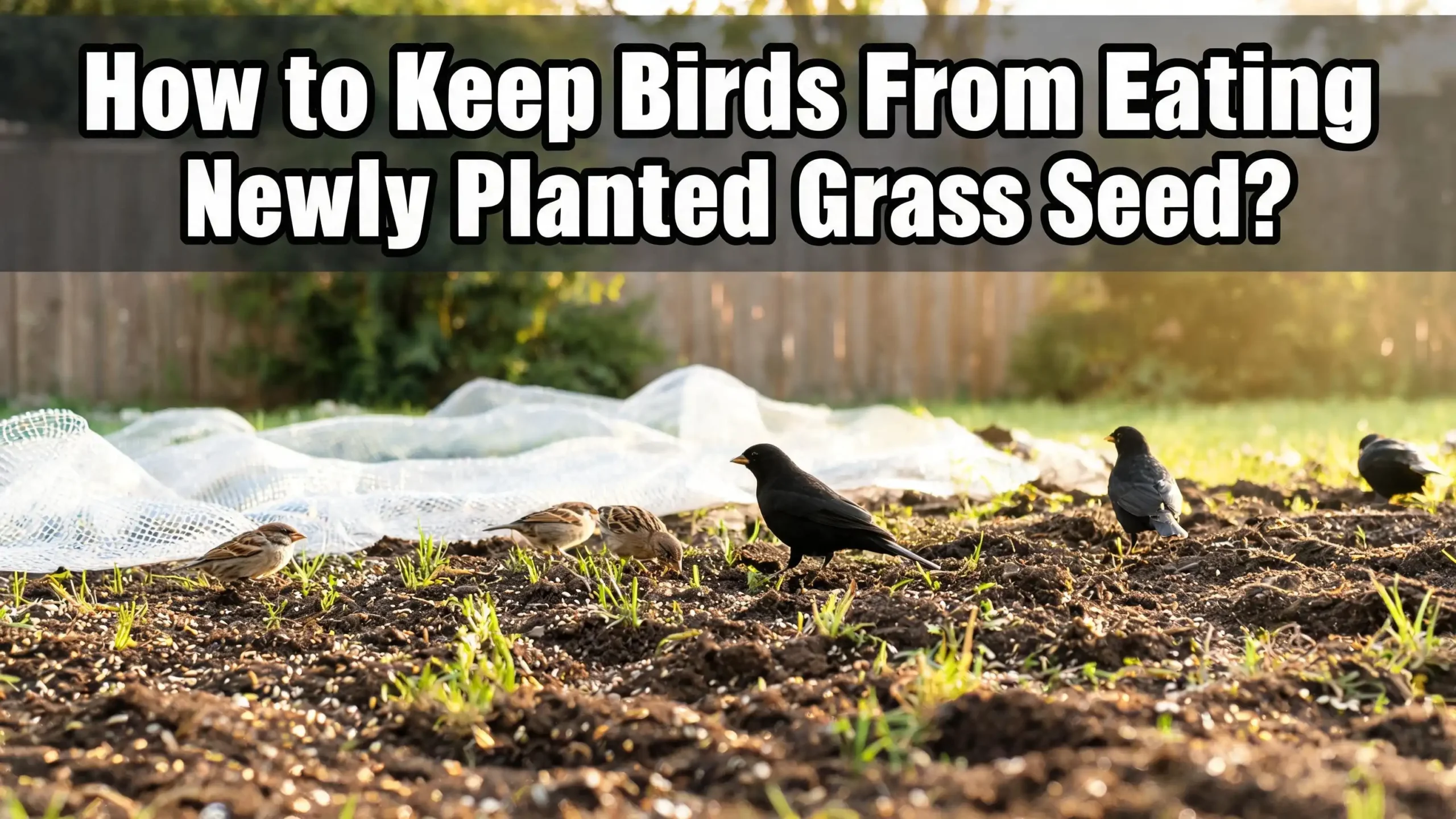
How to Keep Birds From Eating Newly Planted Grass Seed?
You just spent an entire weekend preparing your soil. You spread the grass seed evenly. You watered it with care. Then you look out the window the next morning and see a flock of sparrows treating your lawn like an all-you-can-eat buffet.
The good news is that you can stop this problem. There are simple, humane, and affordable ways to protect your grass seed from hungry birds. You do not need fancy gadgets or harmful chemicals. You just need the right combination of strategies applied at the right time.
This guide walks you through every proven method to keep birds away from your newly planted grass seed. You will learn which methods work best, what mistakes to avoid, and how to get a thick green lawn without feeding the local bird population. Let us dive in.
Key Takeaways
- Physical barriers are the most effective defense. Bird netting, straw mulch, burlap sheets, and seed blankets create a direct obstacle between birds and seeds. These methods consistently achieve the highest germination success rates compared to scare tactics alone.
- Timing matters more than you think. The first 72 hours after seeding are the most critical window. Birds discover food sources fast and communicate with their flock. Apply your protective measures immediately after spreading the seed, not hours later.
- Birds adapt quickly to static deterrents. Fake owls, scarecrows, and reflective tape lose effectiveness within days if you leave them in one spot. Move these items every day or two to keep birds guessing and maintain the deterrent effect.
- Combining multiple methods gives the best results. No single approach guarantees complete protection. A layered strategy that pairs a physical barrier with a visual or auditory deterrent and an alternative food source delivers the strongest defense.
- Covering seeds with a thin layer of topsoil is a simple game changer. Just one-eighth inch of dark soil hides seeds from sight, speeds up germination, and costs almost nothing. This is one of the most underrated tactics in bird proofing your lawn.
Why Do Birds Target Grass Seed?
Birds do not eat your grass seed to annoy you. They eat it because grass seed is a rich, easy source of nutrition. Grass seed contains about 12 to 15 percent protein along with significant carbohydrates. That makes it a high-energy food source that birds need for daily survival, migration, and feeding their young.
Small, ground-feeding birds are the main culprits. House sparrows, mourning doves, finches, pigeons, and juncos are the most frequent grass seed thieves. These birds naturally forage on the ground for seeds. Your freshly seeded lawn looks exactly like their ideal feeding ground.
The timing of your seeding also plays a role. Spring seeding aligns with peak nesting season. Parent birds need lots of food quickly to feed hungry chicks. Fall seeding overlaps with migration periods when birds build fat reserves for long journeys. In both seasons, your grass seed is a welcome find.
Birds also use visual cues. Disturbed soil and exposed seeds on the surface create an obvious signal that says “food is here.” This is why simply scattering seed on top of the soil without any covering invites a feeding frenzy. The birds see the seeds clearly and waste no time.
Understanding this behavior helps you build a smarter defense. You are not trying to starve the birds. You are simply making your grass seed invisible, inaccessible, or unappealing until it can germinate in peace.
The Critical 72-Hour Window
Most homeowners do not realize how fast birds can destroy a newly seeded lawn. The first 72 hours after spreading grass seed are the most dangerous window.
Here is how it usually plays out. For the first 12 hours, things seem quiet. You might think you got lucky. Then a single scout bird spots the seed. That bird calls others. Within 48 hours, you do not have one bird pecking at your lawn. You have a flock. By day three, it is a full feeding event and a large portion of your seed is gone.
Research from independent lawn tests shows that unprotected grass seed can suffer up to 55 percent loss within three days. That is more than half your seed eaten before a single blade of grass appears. This is why delaying your protection even by a few hours can be costly.
Even fast-germinating grass seed varieties take about four to seven days to sprout under ideal conditions. Slower varieties like Kentucky bluegrass can take two to three weeks. That means your seed sits vulnerable on the ground for days or weeks. Every hour counts.
The lesson is simple. Apply your chosen protective method the moment you finish spreading seed. Do not wait until morning. Do not wait until you see birds. Act immediately. The faster you shield your seed, the higher your germination success rate will be.
Physical Barriers: Your Strongest Defense
Physical barriers give you the most reliable protection against birds eating grass seed. These methods create a direct wall between the bird’s beak and your seeds. They do not rely on scaring birds or changing their behavior. They simply block access.
The best part about physical barriers is that they work immediately. There is no learning curve for the birds. There is no need to reposition anything. Once installed, the barrier does its job around the clock.
Physical barriers also serve a second purpose. They help retain moisture in the soil. Many materials used for bird protection also reduce water evaporation. This speeds up germination. Faster germination means your seeds spend less time in the vulnerable seed stage. It is a double benefit.
The main downside is the upfront effort. You need to install the barrier correctly. You need to secure it against wind. You need to remove it at the right time so the growing grass is not damaged. But for most homeowners, this extra work is well worth the superior results.
Pros: Highest germination success rates. Works immediately. Protects against other animals like squirrels. Helps retain soil moisture.
Cons: Requires installation effort. Must be removed after germination. Some materials can be costly for large lawns. Improper installation leaves gaps for birds.
Using Straw Mulch to Hide Seeds
Straw mulch is one of the most popular and budget-friendly ways to protect grass seed. A light layer of straw spread over the seeded area hides the seeds from view. Birds cannot eat what they cannot see.
Spread the straw to a depth of about one to one and a half inches. You want enough coverage to conceal the seeds but not so much that it blocks sunlight from reaching the soil. The straw should be loose and fluffy. Packed straw can smother emerging seedlings.
Choose wheat straw over hay. Hay often contains weed seeds that will sprout alongside your grass and create a whole new problem. Look for certified weed-free straw when possible. This small choice saves you hours of weeding later.
Straw also helps retain soil moisture. It creates a microclimate near the soil surface that reduces evaporation. This means you water less often and your seeds stay consistently moist. Consistent moisture is one of the keys to fast, even germination.
Leave the straw in place until the grass reaches about two to three inches tall. At that point, you can gently rake away excess straw or let it decompose naturally. Some homeowners choose to leave it. The decomposing straw adds organic matter to the soil.
Pros: Very affordable. Easy to apply. Hides seeds well. Retains soil moisture. Biodegrades over time.
Cons: Can contain weed seeds if not certified. Birds may still pick through it. Too thick a layer blocks light. Can blow away in strong winds.
Bird Netting: The Gold Standard of Protection
Bird netting stands out as the single most effective method for protecting grass seed. This lightweight mesh material creates a true physical barrier that birds cannot penetrate. When installed correctly, bird netting delivers germination success rates above 90 percent in many cases.
The key to success with bird netting is proper installation. The netting must sit flat and tight against the ground. Any gaps, ruffles, or loose edges become entry points for clever birds. Secure all edges with landscape staples, stakes, or heavy stones placed every few feet.
For larger lawns, elevate the netting about two to three inches above the soil surface using short wooden stakes. This prevents birds from pecking seeds through the mesh holes. The elevation also gives emerging grass seedlings room to grow without getting tangled.
Black bird netting works best. It blends into the landscape and does not create an eyesore in your yard. It also absorbs heat slightly, which can warm the soil and speed germination.
Remove the netting once the grass reaches about two inches in height. At that stage, the grass has established enough to withstand some bird activity. Removing the netting too early exposes young seedlings. Removing it too late can cause the grass to grow through the mesh, making removal difficult.
Pros: Highest effectiveness rate. Humane and non-toxic. Reusable for multiple seasons. Protects against other pests like squirrels. Allows water, air, and light through.
Cons: Requires careful installation. Can be time-consuming for large areas. Must be removed at the right time. Initial cost for quality netting.
Burlap Sheets and Seed Blankets
Burlap sheets and seed blankets offer another excellent physical barrier option. These materials cover the seeded area completely while still allowing water and sunlight to pass through. They are easier to handle than netting, especially on smaller lawn sections.
Burlap is a natural, loosely woven fabric. Lay it directly over the seeded soil and secure the edges with landscape staples or rocks. The fabric blocks bird access while letting rain and irrigation water soak through. Burlap also protects seeds from wind erosion and heavy rain that can wash seeds away.
Seed blankets, also called erosion control blankets, come pre-made in rolls. They are designed specifically for lawn seeding. The blanket holds seeds in place, retains moisture, and biodegrades over time. You do not need to remove it. It simply breaks down as the grass grows.
For the best results, overlap the edges of each row by a few inches. This prevents birds from finding gaps. Secure the edges firmly. Wind can lift loose blankets and expose the seeds underneath.
These materials work especially well on slopes. They stop seeds from sliding downhill during rain. They also prevent the soil from drying out too fast on sun-exposed areas.
Pros: Easy to install on small to medium areas. Allows water and light through. Protects against erosion. Some options are biodegradable. Reusable burlap for multiple seasons.
Cons: Can be expensive for very large lawns. Burlap must be removed. Seed blankets can shift if not secured well. May not work as well on uneven terrain.
Polythene Sheeting: The Speed Germination Trick
Polythene sheeting is a lesser-known but highly effective method. This clear plastic covering creates a greenhouse effect over your seeded lawn. It traps heat and moisture, which speeds up germination dramatically. Many lawn experts rate this as their top method for protecting grass seed.
The polythene sheet does more than keep birds out. It eliminates the need for daily watering because moisture stays locked underneath. It protects seeds from heavy rain that can wash them away. It also blocks weed seeds from blowing onto your prepared soil.
To use this method, water the soil heavily for a few days before seeding. Let the surface dry just enough to walk on. Rake lightly, spread your seed, and press it into the soil with a roller. Then lay the polythene sheet over the area. Secure all edges with stones, bricks, or stakes. Do not skimp on edge security because wind can lift the entire sheet.
Leave the polythene in place until most seedlings are about three centimeters long. This usually takes seven to fifteen days depending on temperature. Remove the sheet once the grass is visible and green underneath.
A word of caution. Never use polythene sheeting in hot summer weather. The temperature under the plastic can rise high enough to kill the seeds and seedlings. Use this method only in spring or fall when air temperatures are mild.
Pros: Fastest germination speed. Eliminates daily watering. Complete bird protection. Very affordable for the coverage area. Protects against weed seeds.
Cons: Cannot be used in hot weather. Requires thorough pre-watering. Must be removed before grass gets too tall. Risk of cooking seedlings if left on too long. Does not work in winter.
Topsoil Coverage: The Simple One-Eighth Inch Rule
Covering grass seed with a thin layer of topsoil is one of the simplest and cheapest ways to stop birds. The concept is straightforward. Birds spot seeds by sight. If they cannot see the seeds, they move on. A fine layer of dark topsoil makes the seeds invisible.
The ideal depth is one-eighth of an inch. That is roughly the thickness of two credit cards stacked together. This thin layer hides the seeds completely but is light enough for emerging grass shoots to push through easily.
Apply the topsoil by hand or with a compost spreader. Work it evenly across the seeded area. Then water the soil lightly to settle it around the seeds. The moisture also helps the soil bind together so it does not blow away.
This method pairs well with other tactics. Use topsoil coverage as your base layer of protection and then add bird netting or reflective tape on top for a layered defense. The combination approach is what produced the 92 percent germination success rate reported in independent lawn tests.
Topsoil coverage also improves seed-to-soil contact. Seeds that are nestled in soil germinate faster and more evenly than seeds sitting on the surface. Faster germination means a shorter window of vulnerability.
Pros: Extremely low cost. Easy to apply. Hides seeds effectively. Improves germination conditions. Combines well with other methods.
Cons: Requires enough topsoil for the entire area. Heavy rain can expose seeds. Needs light watering to settle. May need reapplication on slopes.
Visual Deterrents: Reflective Objects and Movement
Visual deterrents scare birds by creating reflections, movement, and unfamiliar shapes in your yard. Birds are naturally wary of shiny, flapping, and moving objects. These things signal danger in their environment.
Reflective tape, also called Mylar tape or flash tape, is one of the most popular visual deterrents. Tie strips of it to stakes around your lawn. The tape flutters in the wind and catches sunlight, creating sudden flashes. Birds find this disorienting and tend to stay away.
Old CDs and DVDs work the same way. Hang them from strings across the seeded area. They spin in the breeze and reflect light in all directions. Aluminum pie plates and small mirrors serve the same purpose.
Pinwheels and colorful flags add motion. Stick them into the ground at regular intervals. The constant movement signals to birds that something is happening in that space. It makes them nervous about landing.
The biggest weakness of visual deterrents is habituation. Birds are smart. After a few days of seeing the same shiny objects in the same spots, they realize the items are not actual threats. Once they figure this out, the deterrent stops working.
To fight habituation, move your visual deterrents every day or two. Change their positions. Change their heights. Swap one type for another. Keep the birds guessing. This active management extends the useful life of visual deterrents significantly.
Pros: Very cheap or free to set up. Easy to install. Humane method. Adds visual interest to the yard. Works immediately when new.
Cons: Birds adapt within days. Requires regular repositioning. Less effective than physical barriers. Wind dependent. Can look messy to neighbors.
Predator Decoys: Fake Owls, Hawks, and Snakes
Predator decoys tap into birds’ natural fear response. A realistic-looking owl, hawk, or snake triggers an instinct to flee. Birds do not stick around to check if the predator is real. They leave and come back later if the coast looks clear.
Place owl or hawk decoys in visible spots around your seeded lawn. Position them at different heights for a more natural look. Some decoys come with swiveling heads that move in the wind. This extra motion adds realism and extends the deterrent effect.
Rubber snakes placed on the ground can also work. Birds that forage on the ground will spot the snake and avoid the area. This method works best for smaller seeded patches rather than large open lawns.
The problem with predator decoys is the same as with visual deterrents. Habituation sets in fast. A stationary owl that never moves will soon have sparrows perching on its head. Birds are excellent at pattern recognition.
Move your decoys daily or every other day. Change the owl from the left side of the lawn to the right side. Move the snake to a different angle. This constant change prevents birds from cataloging the decoy as a harmless lawn ornament.
Some homeowners combine predator decoys with motion sensors or sound. An owl decoy that hoots when birds approach is far more effective than a silent, still one. These combination products cost more but deliver better results.
Pros: Taps into natural bird fear response. Inexpensive one-time purchase. Humane method. Can look decorative in the garden. Easy to deploy.
Cons: Birds adapt within days without repositioning. Requires daily movement to remain effective. Limited coverage area. Wind and weather can knock decoys over. Some look obviously fake.
Motion-Activated Sprinklers
Motion-activated sprinklers are a clever, high-tech solution for bird problems. These devices have infrared sensors that detect movement. When a bird lands near the seeded area, the sprinkler fires a sudden burst of water. The bird gets startled and flies away. No harm is done.
The surprise factor makes this method especially effective. Birds do not expect water to shoot at them from the ground. The experience is unpleasant enough that they learn to avoid the area. After a few encounters, most birds simply stop visiting.
These sprinklers also serve a useful double function. They water your grass seed while protecting it. The light spray keeps the soil surface moist, which is exactly what germinating seeds need. You get bird protection and irrigation from a single device.
Quality motion-activated sprinklers can detect movement from 40 to 60 feet away. Cheaper models may have a shorter detection range. Place the sprinkler where it covers the entire seeded zone. Adjust the sensitivity so it triggers for bird-sized movement but not for every passing insect.
A few considerations. These sprinklers run on batteries. Check them regularly to make sure they are still working. They also need a water hose connection, so your seeded area must be within hose reach. In cold weather, disconnect and store the sprinkler to prevent freezing damage.
Pros: Highly effective startle response. Doubles as a watering system. Completely humane. Covers large areas. Birds learn to avoid the zone.
Cons: Requires batteries and hose connection. Higher upfront cost than simple deterrents. May startle pets and people. Less effective in windy conditions. Needs monitoring.
Alternative Food Sources: The Diversion Strategy
Sometimes the smartest defense is a good offense. The diversion strategy gives birds exactly what they want. It just puts that food somewhere else. If birds have a reliable, easy food source away from your lawn, they will choose it over your grass seed every time.
Set up bird feeders at the edges of your property. Place them as far from the seeded area as possible. Fill them with foods birds genuinely prefer over grass seed. Black oil sunflower seeds attract the widest variety of birds. Millet, cracked corn, and nyjer seed also work well.
For ground-feeding birds like doves, sparrows, and juncos, scatter seed directly on the ground in a designated area. A patch of bare earth under a distant tree makes a perfect alternative feeding station. These birds naturally prefer to eat off the ground.
Keep the feeders full. If the alternative food runs out, birds will immediately search for other options. Your grass seed becomes that option. Consistency is critical for this strategy to work.
Add a bird bath or water feature near the feeders. Birds need water daily just like they need food. If your property provides both food and water in a convenient location, birds have little reason to wander over to your lawn.
Pros: Feeds birds rather than just scaring them. Creates a bird-friendly property. Works continuously without monitoring. Enjoyable bird watching. Very humane approach.
Cons: Ongoing cost for bird seed. Feeder maintenance required. May attract more birds overall. Some birds will still sample grass seed. Feeders can attract squirrels and other pests.
Bird Repellent Sprays and Seed Coatings
Bird repellents make grass seed taste or smell unappealing to birds. These products do not harm the birds. They simply make the seed less desirable as a food source. Think of it like someone suddenly making your favorite food taste extremely bitter. You would stop eating it.
Commercial bird repellent sprays are available at most garden centers. Spray them directly over the seeded area after planting. The spray creates a scent or taste barrier that discourages birds from feeding. Most sprays are non-toxic and safe for people, pets, and the environment.
Some grass seed products come pre-coated with bird repellent. The coating is applied during the manufacturing process. This saves you the step of spraying separately. The seed is ready to spread right out of the bag.
Homemade repellents offer another option. A mixture of water, dish soap, and a few drops of peppermint oil can deter birds. Spray this lightly over the seeded area. Birds dislike the strong peppermint scent. Reapply after rain or heavy watering.
A note about cayenne pepper. Some people recommend mixing cayenne into grass seed to repel birds. This does not work well. Birds lack the taste receptors for capsaicin, the compound that makes peppers hot. Cayenne pepper is just flavorless red powder to them. It will not discourage them from eating your seed.
Pros: Easy to apply. Non-toxic options available. Works as a supplementary method. Some sprays last for weeks. Does not change lawn appearance.
Cons: Results vary by bird species. Pigeons often ignore repellents. Must reapply after rain. Pre-coated seed is more expensive. Limited grass variety in treated seeds.
Sound Deterrents and Noise Machines
Sound deterrents use recorded distress calls and predator noises to scare birds away. The sudden sound of a hawk screeching or a bird in distress triggers an immediate flight response. Birds leave the area quickly without waiting to investigate.
You can find devices that play these sounds at random intervals. The randomness prevents birds from getting used to a predictable pattern. Some units have motion sensors and only activate when birds approach. This saves battery life and reduces noise pollution.
Wind chimes offer a gentler sound based approach. The unpredictable clanging can make birds uneasy. Hang them near the seeded area for a low-tech, decorative sound deterrent.
The major downside of sound deterrents is their impact on neighbors and household members. Predator calls played at volume can be annoying. If you live in a neighborhood with close homes, your neighbors may not appreciate the sudden hawk screeches. Use sound methods thoughtfully and only during peak bird activity times like early morning and late evening.
Also consider pets. Dogs and cats can be disturbed by recorded bird distress calls. Observe how your pets react before committing to this method for days at a time.
Pros: Can be very effective when used properly. Covers large areas. Motion-activated models save battery. Birds do not habituate as quickly to random sounds.
Cons: Can annoy neighbors. Disturbs pets. Requires batteries or power. Devices can be expensive. Less effective in noisy areas near traffic.
Seed Selection: Fast-Germinating Varieties Matter
The type of grass seed you choose affects how vulnerable your lawn is to birds. Seeds that sprout fast spend less time sitting on the soil surface as bird food. Selecting the right variety is a passive but meaningful layer of protection.
Perennial ryegrass is the fastest germinating common lawn grass. It can sprout in as little as four to five days under good conditions. Tall fescue takes about seven to ten days. Kentucky bluegrass is the slowest, often requiring two to three weeks to germinate.
If bird pressure is high in your area, choose a grass seed mix with a high percentage of perennial ryegrass. You can also look for coated or quick-start seeds. These have a nutrient coating that speeds up the initial germination process.
Pair fast-germinating seed with proper planting depth. Seeds should be planted one-quarter to one-half inch deep. Seeds sitting right at the surface are easy pickings for birds. Seeds slightly below the surface are harder to see and harder to reach.
Also consider your climate zone. Cool-season grasses like fescue and bluegrass work best in northern regions. Warm-season grasses like Bermuda and zoysia suit southern lawns. Match your seed type to your region for the fastest possible establishment.
Pros: Reduces the vulnerable seed stage naturally. Passive protection needs no maintenance. Fast-growing varieties fill in quicker. Good seed-to-soil contact improves germination.
Cons: Fast-germinating grasses may not suit all climates. Coated seeds cost more. Limited grass choices for specific growing zones. Still needs supplementary protection in high bird areas.
The Cover and Net Hybrid Strategy
After testing multiple methods side by side, many lawn care experts agree on a winning combination. The Cover and Net hybrid strategy layers two effective methods into a single powerful defense. This approach has produced germination success rates of up to 92 percent in controlled tests.
Here is how to execute the Cover and Net strategy step by step.
Step one. Prepare your soil properly. Rake it smooth. Remove debris and rocks. Water the soil deeply for a few days before seeding so there is good moisture stored below the surface.
Step two. Spread your grass seed evenly across the area. Use a broadcast spreader for large lawns or your hands for small patches. Follow the recommended seeding rate on the seed package.
Step three. Lightly rake the seeds into the soil surface. This improves seed-to-soil contact and starts the process of hiding seeds from view.
Step four. Apply a fine one-eighth inch layer of dark topsoil or screened compost over the entire seeded area. This hides the seeds from sight. It also adds nutrients and helps retain moisture.
Step five. Secure black bird netting over the area. Elevate it about two inches above the soil using short stakes. Make sure all edges are pinned down tight. No gaps.
Step six. Water the area gently. The water will settle the topsoil and activate the germination process. Keep the soil consistently moist but not soggy.
Step seven. Monitor daily. After about seven to fourteen days, you will see green shoots. Remove the netting once the grass reaches two inches tall. Leave the topsoil in place to continue feeding the young grass.
This layered method works because it attacks the problem from multiple angles. The topsoil hides the seed. The netting blocks any bird that tries anyway. The result is a nearly bird-proof growing environment.
Pros: Highest documented success rates. Addresses both visibility and access. Topsoil boosts soil quality. Netting is reusable. Works on any lawn size.
Cons: More upfront effort than single methods. Requires both topsoil and netting materials. Netting removal timing matters. Initial cost for all materials.
Timing Your Seeding for Natural Bird Avoidance
When you plant matters almost as much as how you protect. Strategic timing reduces bird pressure naturally without any extra materials or devices.
Early fall, specifically September through October, is widely considered the best time to seed cool-season grasses. Soil temperatures are still warm from summer. Air temperatures are cooling down. These conditions are ideal for fast germination. Meanwhile, many migratory birds have already moved through the area. The birds that remain are shifting their diet more toward insects. The combination of fast growth and reduced bird activity makes fall the safest seeding window.
Early spring, roughly March through May, is the second best option but requires more caution. Birds are actively feeding after winter and during nesting season. Wait until soil temperatures consistently stay between 50 and 65 degrees Fahrenheit. Warmer soil speeds germination and shortens the exposure window.
Avoid seeding in the heat of summer. The stress of high temperatures makes it hard for new grass to survive. You also need to water constantly. Avoid late fall and winter seeding too. Cold soil slows germination to a crawl. Seeds can sit uneaten for weeks, giving birds endless time to find and eat them.
Also consider the time of day. Birds feed most actively in the early morning and late afternoon. Seeding in the early evening gives seeds several hours of undisturbed time before the next morning’s bird activity. Water immediately after seeding to help seeds settle into the soil.
Pros: Zero additional cost. Works with natural bird behavior patterns. Fall seeding aligns with best growing conditions. Fewer birds to contend with in fall.
Cons: Not always possible based on landscaping schedule. Spring seeding is sometimes unavoidable. Weather can be unpredictable. Requires planning ahead.
Common Mistakes That Invite Birds to Your Lawn
Even with the best intentions, certain mistakes make bird problems much worse. Avoiding these common errors saves you time, money, and frustration.
Leaving seed completely exposed on the surface. This is the number one mistake. Bare seeds on top of the soil are a visible invitation. At a minimum, lightly rake seeds into the soil. Even this small step hides a good portion from bird eyes.
Using hay instead of straw. Hay contains mature seed heads. It introduces weeds into your new lawn. Straw is the stems left after seed harvesting. It is much cleaner. Always choose weed-free straw for mulching over grass seed.
Applying too much mulch. A thick layer of straw or compost blocks sunlight. Seeds need light cues along with moisture and warmth. Keep mulch layers to one inch or less for best germination results.
Forgetting to move visual deterrents. An owl decoy that sits in the same spot for a week is useless. Birds learn it is not a threat. Set a reminder to move decoys, reflective tape, and pinwheels every day or two.
Removing protection too early. Grass that is barely an inch tall is still vulnerable. Young seedlings can be trampled by bird feet. Wait until the grass reaches at least two to three inches before removing barriers.
Ignoring the edges. Birds often approach from the sides. Netting and mulch that cover the center but leave edges exposed create an entry route. Secure every inch of the perimeter.
Using only one deterrent method. A single fake owl or one strip of reflective tape is rarely enough. Birds test weak defenses. Layer multiple methods for reliable results.
How to Monitor and Adjust Your Bird Defense Plan
Protecting grass seed is not a set-it-and-forget-it task. You need to watch what happens and make changes as needed. Active monitoring catches problems early before significant seed loss occurs.
Check your seeded area every day for the first week. Walk the perimeter. Look for signs of bird activity. Displaced mulch, exposed patches of soil, bird droppings, or visible tracks are all red flags. If you see these signs, your current protection has a gap.
Pay attention to which bird species are visiting. Sparrows might ignore your reflective tape but get stopped by netting. Doves might avoid the netting but eat seeds through gaps at the edges. Each species behaves differently. Adjust your strategy based on the actual birds you see.
Evaluate the germination rate. About seven to ten days after seeding, you should see green fuzz across the area. If some sections are bare while others are sprouting, birds may have targeted those spots. Be ready to reseed bare patches with extra protection.
Keep a simple log if you seed regularly. Note which methods worked and which failed. Note the bird species present. Note the weather conditions. Over time, you build a custom bird defense plan that is tuned to your specific property and local bird population.
Flexibility is key. What works perfectly for your neighbor might not work for you. Be willing to switch methods, combine tactics, and respond to what you observe. The goal is a thick green lawn, not loyalty to any single technique.
Creating a Balanced Yard for Birds and Grass
You do not need to declare war on birds to have a beautiful lawn. Birds are an important part of a healthy ecosystem. They eat insects, pollinate plants, and bring life to your garden. The goal is coexistence, not elimination.
Designate specific zones on your property for birds. Plant native shrubs and trees that produce natural berries and seeds. Set up feeding stations far from your lawn. Add a bird bath. When birds have everything they need in one part of your yard, they have less reason to forage on your grass seed.
Once your lawn is established and thick, birds become helpers rather than threats. They patrol the grass surface for grubs, caterpillars, and other pests. These insects can damage a lawn far more than birds ever could. By welcoming birds long term, you gain free pest control.
Protect your seed during the vulnerable germination window. Use physical barriers for those critical few weeks. Then remove the barriers, welcome the birds back, and enjoy the balance. A bird-friendly yard with a lush green lawn is achievable. It just takes the right approach during the seeding period.
Frequently Asked Questions
Can I use cayenne pepper to keep birds away from grass seed?
Cayenne pepper does not work well as a bird deterrent for grass seed. Birds do not have the taste receptors that detect capsaicin, the compound that makes peppers spicy. To birds, cayenne is simply flavorless powder. It will not discourage them from eating your seed. Use physical barriers or commercial bird repellents instead.
How long should I leave straw or netting over my grass seed?
Leave straw or netting in place until the grass reaches two to three inches in height. This usually takes two to four weeks depending on the grass variety and weather conditions. Do not remove the protection too early. Young seedlings are still fragile and can be damaged by bird traffic. Once the grass is tall enough to mow for the first time, it is safe to remove the barriers.
Which birds are most likely to eat my grass seed?
The main culprits are house sparrows, mourning doves, pigeons, finches, juncos, and starlings. These are ground-feeding, seed-eating birds. They forage naturally by walking on soil and pecking at surface seeds. A single flock of sparrows can eat a significant amount of seed in a few hours.
Is bird netting safe for birds?
Yes. Bird netting is completely safe when installed correctly. The mesh creates a physical barrier that birds cannot pass through. They are not trapped or injured. They simply cannot reach the seeds. Make sure the netting is secured flat and tight so birds do not get tangled in loose folds.
Can I just overseed and accept some bird loss?
Many lawn experts recommend sowing about 50 percent extra seed when bird pressure is expected to be high. This allows for some natural loss while still getting enough grass coverage. However, this approach is less reliable than using physical barriers. Heavy bird activity can still strip the area bare. Combine extra seeding with at least one other protection method for dependable results.
What is the best time of year to plant grass seed to avoid birds?
Early fall, specifically September to October, is the best time for most regions. Soil is warm for fast germination. Bird populations are lower after migration. Spring is the second choice but comes with higher bird activity during nesting season. Avoid summer and late fall when slow germination leaves seeds exposed for too long.
Do ultrasonic bird repellers work for protecting grass seed?
No. Ultrasonic bird repellers have been tested and shown to have little to no effect on birds. Birds hear in roughly the same frequency range as humans. If you cannot hear the ultrasonic sound, birds probably cannot either. These devices are not a reliable method for protecting grass seed.
Will one method be enough to protect my lawn?
A single method rarely provides complete protection. Birds are intelligent and persistent. They test defenses and find weak spots. The most successful approach combines two or more methods. For example, pair topsoil coverage with bird netting. Or use reflective tape alongside a diversion feeding station. Layered defenses give you the most reliable results.

Hi, I’m Jane! As a passionate gardener and product enthusiast, I spend my days testing garden tools, comparing products, and writing honest reviews so you don’t have to learn the hard way. Got a question? Feel free to reach out — I’d love to hear from you!