How to Kill Poison Ivy in Your Lawn Without Harming Surrounding Plants?
Poison ivy is one of the most frustrating plants a homeowner can find growing in their lawn. Its oily resin, called urushiol, causes painful, itchy rashes that can last for weeks. The real challenge is removing it without damaging the grass, flowers, and shrubs you’ve worked hard to grow.
The good news? You can get rid of poison ivy selectively. Several proven methods exist that target this stubborn weed while leaving your desirable plants healthy and untouched.
This guide walks you through every option, from manual removal to selective herbicides to natural remedies. You’ll learn how to identify poison ivy correctly, choose the best removal method for your situation, protect yourself during the process, and prevent future regrowth.
Key Takeaways
- Poison ivy always grows in groups of three leaflets. Learn to identify it before you try to remove it. Misidentifying plants wastes your time and effort. The classic rule “leaves of three, let it be” is your first line of defense.
- Selective herbicides like triclopyr and 2,4 D kill poison ivy without harming lawn grasses. These products target broadleaf plants and leave grass species untouched. They are the most reliable chemical option for poison ivy growing directly in your lawn.
- Manual removal works well for small patches but requires protective gear and repeated effort. Pull the entire root system and dispose of the plant in sealed bags. Never compost or burn poison ivy.
- Natural methods like vinegar, smothering, and boiling water can help but often need multiple applications. They work best on young, small plants rather than established vines with deep root systems.
- Timing matters for every removal method. Late spring through early summer is the best window for both chemical and manual removal. The plant is actively growing and absorbs treatments more effectively during this period.
- Poison ivy regrowth is common, so follow up treatments and regular monitoring are essential. A single treatment rarely eliminates the problem for good. Plan for at least two to three rounds of treatment over a full growing season.
How to Identify Poison Ivy Before You Start
You need to confirm you’re actually dealing with poison ivy before taking action. Many harmless plants look similar, including Virginia creeper and boxelder seedlings. Treating the wrong plant wastes your effort and could expose your lawn to unnecessary chemicals.
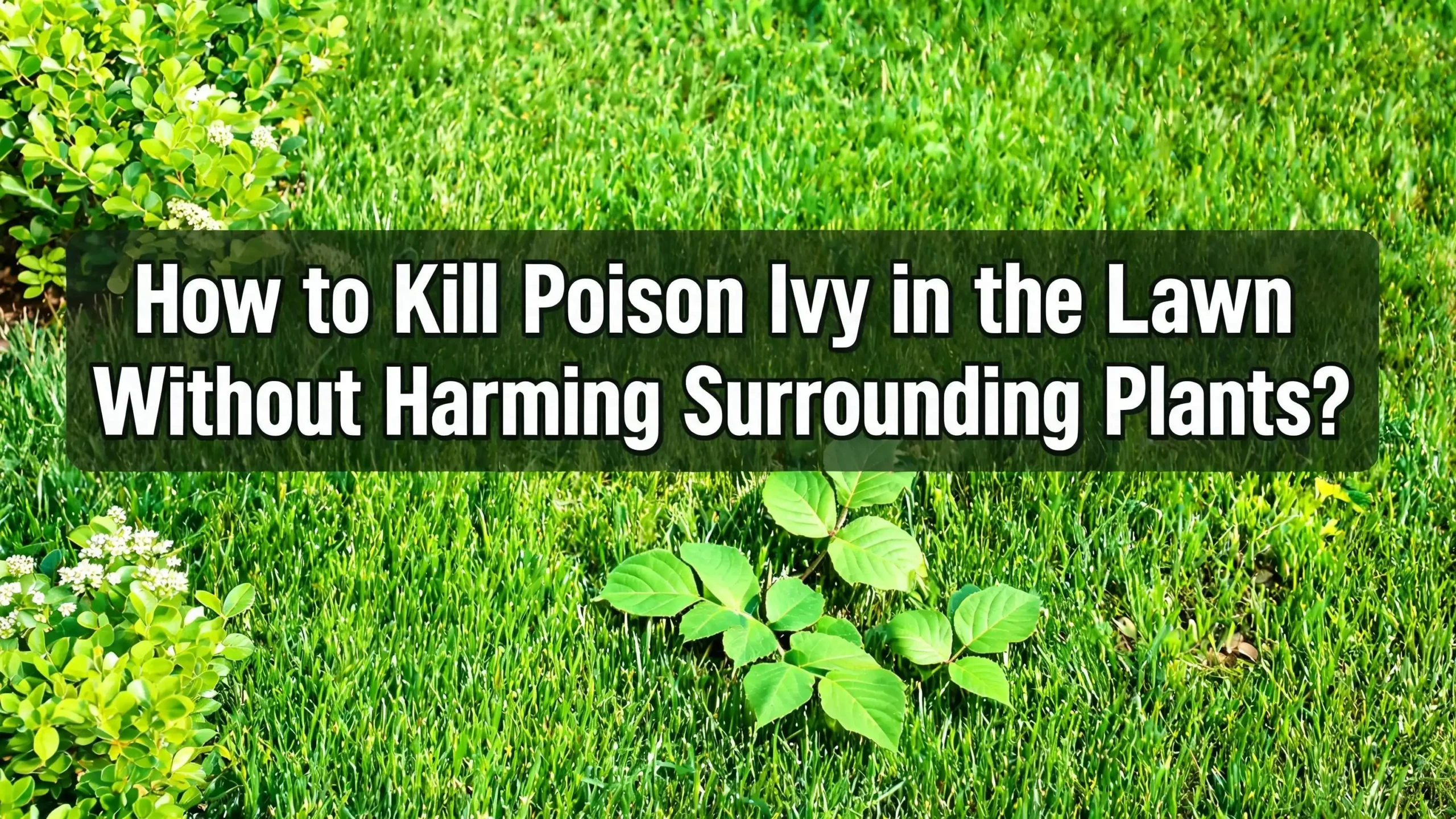
Poison ivy always produces compound leaves with three leaflets. The middle leaflet has a longer stem than the two side leaflets. Leaf edges can be smooth, slightly toothed, or lobed. In spring, young leaves often appear reddish and shiny. During summer, they turn green with a waxy coating. By fall, they shift to bright red, orange, or yellow.
The plant grows in three forms. It can spread as a ground cover that creeps low across your lawn. It can grow as a shrub up to four feet tall. It can also climb as a woody vine on trees, fences, and walls. Climbing vines develop distinctive hairy aerial rootlets that look like a fuzzy rope along the trunk.
Poison ivy produces small clusters of white or yellowish berries in late summer and fall. These berries are a food source for birds, which is one reason the plant spreads so easily across yards. Birds eat the berries and deposit seeds in new locations.
Check along fence lines, at the edges of wooded areas, near foundations, and in shady corners of your lawn. These are the most common places poison ivy takes root. If you’re still unsure, take a clear photo and compare it with identification guides from your local university extension service.
Why Poison Ivy Is So Hard to Remove
Understanding why poison ivy is stubborn helps you choose the right strategy. This plant has evolved several survival traits that make it a persistent problem in residential lawns.
Poison ivy has an extensive root system. The roots spread horizontally underground and can send up new shoots several feet away from the parent plant. If you remove the top growth but leave even a small piece of root behind, the plant will regenerate. This is why surface level cutting alone rarely solves the problem.
The plant also reproduces through seeds spread by wildlife. Birds and small mammals eat the berries and deposit seeds across your property. Even if you eliminate every existing plant in your yard, new seedlings can appear the following year from seeds dropped by passing birds.
Urushiol oil adds another layer of difficulty. This oil coats every part of the plant, including the roots, stems, and leaves. It remains active on dead plant material, clothing, and tools for months or even years. This means you can get a rash from pulling up dead vines or from gloves you used last season and forgot to wash.
Poison ivy also adapts to a wide range of growing conditions. It thrives in full sun and deep shade. It grows in dry sandy soil and moist woodland floors. Research suggests that rising carbon dioxide levels have caused poison ivy to grow larger and produce more potent urushiol than in previous decades. This makes early and thorough control more important now than it has ever been.
Use Selective Herbicides to Protect Your Lawn
Selective herbicides are the most effective tool for killing poison ivy in a lawn setting without harming surrounding grass. These products target broadleaf plants while leaving grass species unaffected.
Triclopyr is widely considered the best active ingredient for poison ivy control. It is a selective herbicide that kills woody vines and broadleaf weeds but does not damage most lawn grasses. University extension programs across the country recommend triclopyr as a first choice for poison ivy in residential landscapes. It works by mimicking a plant hormone that causes uncontrolled growth in broadleaf plants, which eventually kills them.
2,4 D is another selective option. It targets broadleaf weeds, including poison ivy, and is safe for use on most common lawn grasses like Bermuda, fescue, and Kentucky bluegrass. Many homeowners already have a lawn weed killer in their garage that contains 2,4 D as an active ingredient. Check the label to confirm it lists poison ivy as a target weed.
Dicamba is sometimes combined with 2,4 D in broadleaf weed control products. It adds extra effectiveness against tough weeds. However, dicamba can vaporize and drift on warm days, so apply it only in calm conditions to avoid damaging nearby flower beds or vegetable gardens.
Avoid glyphosate in your lawn. Glyphosate is a non selective herbicide that kills all green plants it contacts. If you spray it on poison ivy growing among grass, it will kill the grass too. Reserve glyphosate only for poison ivy growing in areas where you don’t care about preserving surrounding vegetation.
How to Apply Herbicides Safely and Effectively
Applying the right product the wrong way can still damage your lawn or fail to kill the poison ivy. Follow these steps for the best results.
Apply herbicide directly to the poison ivy leaves. The product must enter through the leaf surface and travel down to the root system. This is called systemic action, and it’s the key to killing the entire plant, not just the visible foliage. Wet the front and back of each leaf thoroughly for maximum absorption.
Spot treat individual plants instead of broadcasting spray across a wide area. Use a small hand sprayer or a foam marker to apply the product only where needed. This reduces the amount of herbicide used and limits the risk to nearby ornamental plants, shrubs, or flowers that could be sensitive to broadleaf herbicides.
Choose a calm, dry day for application. Wind can carry spray droplets to plants you don’t want to affect. Rain within 24 hours of application can wash the herbicide off the leaves before it absorbs. Early morning or late afternoon works best because temperatures are moderate and wind is usually lighter.
Read the product label completely before mixing or spraying. Labels contain specific instructions about dilution rates, application methods, and safety precautions. More product is not better. Over application causes runoff that can contaminate soil and harm nearby plants.
Expect to see visible wilting within one to two weeks after a successful application. Full plant death may take three to four weeks. Plan a follow up treatment about four to six weeks after the first application to catch any regrowth from surviving root fragments.
Manual Removal: A Chemical Free Approach
Manual removal is the most direct way to eliminate poison ivy without any chemical products. This method works best for small to medium patches and requires patience and proper protection.
Dress in full protective gear before touching any part of the plant. Wear waterproof gloves, a long sleeved shirt, long pants tucked into socks, and closed toe shoes. Consider wearing safety goggles as well. Urushiol oil can transfer to skin on contact with any plant surface, and even tiny amounts can trigger a reaction. Only one billionth of a gram is needed to cause a rash in sensitive individuals.
Use a shovel or garden fork to dig up the entire root system. Cutting the plant at ground level is not enough because the roots will send up new growth. Push the shovel at least six inches below the surface around the base of the plant. Lift the root ball out and shake off excess soil.
Place all removed plant material in heavy duty garbage bags and seal them tightly. Do not put poison ivy in your compost pile. The urushiol oil will survive the composting process and can cause rashes when you handle the finished compost later. Take the sealed bags directly to your municipal waste collection.
After removing the plants, wash every tool with rubbing alcohol or a degreasing soap. Wash your clothing separately from other laundry in hot water with a strong detergent. Take a cool shower immediately after the work, using soap to remove any oil from your skin. Avoid warm water at first because it can open pores and allow urushiol to penetrate deeper.
Natural Remedies That Can Help
Several natural methods can weaken or kill poison ivy. These work best on young, small plants and may need repeated applications for established growth.
White vinegar is one of the most commonly used natural options. Standard household vinegar contains about 5% acetic acid, which can burn the leaves of poison ivy on contact. However, horticultural vinegar with 20% to 45% acetic acid concentration is far more effective. Fill a spray bottle and apply directly to the leaves on a sunny day. The combination of acid and sunlight dries out the foliage quickly. You may see browning within hours, but the roots often survive. Reapply every few days until no new growth appears.
Be aware that vinegar is also non selective. It will damage any plant it contacts, including your lawn grass. Apply carefully using a targeted spray rather than a wide broadcast. A paintbrush or sponge applicator gives you the most control.
Boiling water poured directly on the base of the plant can scald the roots and kill smaller plants. This method requires caution to avoid burns and to avoid splashing hot water on nearby desirable plants. It works best on isolated patches in gravel paths or along fence lines rather than in the middle of your lawn.
Smothering with cardboard and mulch can kill poison ivy by blocking all sunlight. Lay thick layers of cardboard over the affected area and cover with four to six inches of wood chip mulch. Leave this in place for a full growing season. The poison ivy will exhaust its energy reserves and die without access to light. This method is slow but effective for areas where you plan to install new garden beds.
The Smothering Method for Larger Infestations
If poison ivy has taken over a larger section of your yard, smothering is a practical option that avoids chemical use entirely. This approach requires more time but protects the rest of your landscape.
Start by cutting the visible poison ivy growth as close to the ground as possible. Wear full protective clothing for this step. Use loppers or hand pruners for thick vines and a string trimmer for ground cover. Bag all the cuttings immediately.
Next, lay overlapping sheets of thick cardboard or multiple layers of newspaper directly over the cut area. Overlap each piece by at least six inches so the poison ivy cannot find gaps to grow through. Wet the cardboard with a garden hose so it molds to the ground surface and stays in place.
Cover the cardboard with a deep layer of organic mulch, at least four to six inches thick. Wood chips, shredded bark, or leaf mulch all work. The weight of the mulch holds the cardboard down, and the combined barrier blocks all light from reaching the soil below.
Leave this covering in place for at least six to twelve months. Check the edges periodically. Poison ivy is persistent and may try to creep out from the sides of your barrier. If you see any shoots emerging at the edges, pull them immediately or extend your cardboard and mulch coverage.
After a full season, the poison ivy root system should be dead. You can remove the cardboard or let it decompose in place and plant new ground cover. Virginia creeper is an excellent replacement plant. It looks similar to poison ivy but does not produce urushiol oil and will not cause rashes.
Protecting Nearby Plants During Treatment
One of the biggest concerns during poison ivy removal is collateral damage to your lawn, flowers, and garden plants. A few simple precautions make a big difference.
Use a shield when spraying herbicides. A piece of cardboard or plastic held behind the target plant catches any overspray and prevents it from drifting to nearby plants. You can also purchase commercial spray shields that attach to your sprayer nozzle. This is especially useful when treating poison ivy that grows near rose bushes, flower beds, or vegetable gardens.
Choose the cut stem method for poison ivy growing near sensitive plants. Instead of spraying the leaves, cut the poison ivy stem close to the ground. Immediately apply a concentrated herbicide (triclopyr works well) directly to the freshly cut stump surface using a paintbrush or sponge. The plant absorbs the chemical through the cut and transports it to the roots. This method eliminates spray drift entirely.
Avoid treating poison ivy near trees with surface herbicide sprays. Triclopyr and other broadleaf herbicides can potentially harm trees if the spray contacts their leaves or if runoff reaches their root zone. The cut stem method is the safest option for poison ivy growing at the base of ornamental trees or climbing up their trunks.
If you use boiling water or vinegar as a natural treatment, protect grass and flowers with a temporary barrier. Lay a tarp or plastic sheet over the plants you want to save. Remove the barrier after the treatment has dried. This takes only a few extra minutes but prevents accidental damage that could take weeks to recover from.
When to Call a Professional
Some poison ivy situations are beyond what a homeowner can safely handle alone. Recognizing these scenarios can save you from serious health risks and property damage.
Call a professional if the poison ivy has climbed high into trees. Vines that have grown for several years produce thick, woody stems and can reach 30 feet or more into the canopy. Pulling or cutting these vines at height creates a risk of falling plant material coated in urushiol oil. Professional removal crews have the proper equipment and training to handle elevated work safely.
Seek professional help if you or a family member has a severe allergy to poison ivy. Some people experience extreme reactions that require medical treatment, including widespread blistering, swelling, and difficulty breathing. If you know your sensitivity is high, the risk of handling the plant yourself outweighs the cost of hiring a specialist.
Large scale infestations may also require professional treatment. If poison ivy covers hundreds of square feet or has invaded dense garden beds mixed with valuable plants, a licensed applicator can use targeted methods that a homeowner may not have access to. Professionals can apply herbicides with precision equipment that minimizes collateral damage.
Expect to pay between $300 and $700 for professional poison ivy removal on a typical residential lot, depending on the size and difficulty of the job. Some lawn care and landscaping companies include poison ivy removal as part of their service packages. Get multiple quotes and ask specifically about their methods for protecting your existing plants during the process.
How to Prevent Poison Ivy From Coming Back
Removing poison ivy once is only half the battle. Prevention keeps it from returning and saves you from repeating the entire removal process next season.
Mow your lawn regularly. Poison ivy cannot survive repeated cutting at a low height. Weekly mowing during the growing season destroys new shoots before they can establish a strong root system. This is one of the simplest and most effective long term strategies for preventing regrowth in lawn areas.
Plant dense ground covers in bare areas where poison ivy was removed. Empty patches of soil invite weed seeds, including poison ivy, to germinate. Fill these gaps quickly with thick growing plants like clover, creeping thyme, or periwinkle. A dense ground cover shades the soil and prevents poison ivy seedlings from getting the light they need to grow.
Monitor your property boundaries, fence lines, and woodland edges every few weeks during spring and summer. These are the most common entry points for new poison ivy growth. Catching a seedling when it has only two or three leaves is far easier than dealing with an established vine later.
Clean up bird feeding areas. Birds are the primary spreaders of poison ivy seeds. If you have bird feeders, check the ground below them regularly for poison ivy seedlings. The droppings from birds that ate poison ivy berries elsewhere can introduce the plant to your yard.
Maintain a thick, healthy lawn. A well fertilized, properly watered lawn with dense turf gives poison ivy fewer opportunities to take hold. Thin or bare spots in your grass are the most vulnerable areas for invasion.
What to Do If You Get a Poison Ivy Rash
Even with precautions, contact with urushiol oil can happen during removal. Quick action reduces the severity of a rash.
Wash the affected skin immediately with cool water and soap. Speed matters here. If you can wash the oil off within 10 to 15 minutes of contact, you may prevent a rash entirely or significantly reduce its severity. Use a degreasing soap like dish soap for best results. Avoid hot water, which can open pores and allow deeper oil penetration.
Apply over the counter hydrocortisone cream or calamine lotion to reduce itching and inflammation once a rash develops. Cool compresses and oatmeal baths can also provide relief. Most mild to moderate poison ivy rashes clear up on their own within two to three weeks.
See a doctor if the rash is widespread, affects your face or eyes, or shows signs of infection. Prescription corticosteroids may be necessary for severe reactions. Also seek medical attention if you experience difficulty breathing, which can occur if you accidentally inhaled urushiol from burning plant material.
Remember that the fluid from poison ivy blisters does not spread the rash. The rash only spreads when urushiol oil transfers from one surface to another. However, if you did not wash the oil off your clothing, tools, or skin completely, you can re expose yourself and develop new patches of rash in different locations.
Wash all clothing worn during poison ivy removal separately in hot water with a strong detergent. Wipe down tools with rubbing alcohol. Clean shoe soles with a brush and soapy water. These steps prevent secondary exposure in the days following your removal work.
Common Mistakes to Avoid During Removal
Many homeowners make errors that either fail to kill the poison ivy or cause unnecessary damage to their lawn and garden. Here are the most frequent mistakes and how to avoid them.
Do not burn poison ivy. This is the most dangerous mistake. Burning poison ivy releases urushiol oil into the smoke. Inhaling this smoke can cause severe irritation of the lungs, throat, and nasal passages. In serious cases, it can lead to respiratory distress requiring emergency medical care.
Do not use glyphosate based products on poison ivy growing in your lawn. Glyphosate is a non selective herbicide. It kills everything green it touches. If you spray it on poison ivy in the middle of your yard, you will also kill the surrounding grass. Use selective herbicides like triclopyr or 2,4 D instead.
Do not assume one treatment will solve the problem. Poison ivy has deep, spreading roots that often survive a single application. Most situations require at least two treatments spaced four to six weeks apart. Check the treated area regularly and retreat any new growth promptly.
Do not pull poison ivy without gloves. This seems obvious, but in the rush to remove a few small plants, homeowners sometimes grab them barehanded. Urushiol oil transfers to skin on contact, and a rash can develop within 12 to 72 hours.
Do not mow over large patches of poison ivy without protection. A lawn mower chops the plant into small pieces and can fling urushiol coated fragments onto your skin and clothing. If you mow over poison ivy, wear long pants, closed shoes, and wash your clothes immediately afterward.
Frequently Asked Questions
Does vinegar really kill poison ivy?
Vinegar can kill the leaves and above ground portions of poison ivy, but it rarely kills the roots. Standard household vinegar at 5% acidity has limited effectiveness. Horticultural vinegar with 20% or higher acidity works better. However, even strong vinegar typically requires multiple applications over several weeks. It also damages any plant it contacts, so use it carefully around your lawn and garden.
What is the fastest way to kill poison ivy in a lawn?
The fastest method is applying a selective herbicide containing triclopyr directly to the leaves during late spring or early summer. Triclopyr targets broadleaf plants and woody vines while leaving lawn grasses unharmed. You should see wilting within one to two weeks and full plant death within three to four weeks. A follow up application four to six weeks later catches any regrowth.
Can I use salt to kill poison ivy?
Salt can dehydrate and kill poison ivy, but it creates a serious problem. Salt remains in the soil for a long time and prevents other plants from growing in the treated area. It can also leach into surrounding soil and damage your lawn, flowers, and shrubs. Salt is not recommended for poison ivy removal in areas where you want to maintain healthy plants.
Is poison ivy dangerous to touch in winter?
Yes. Urushiol oil is present in the stems, roots, and dormant buds of poison ivy year round. Even leafless winter vines can cause a rash if you handle them without gloves. Dead poison ivy plants also retain active urushiol oil. Always wear protective gear regardless of the season.
Will poison ivy grow back after I pull it out?
It often does. Poison ivy roots spread widely underground, and even small root fragments left in the soil can produce new shoots. Consistent follow up is essential after manual removal. Monitor the area weekly during the growing season and pull or treat any new sprouts immediately. Most homeowners need to repeat removal efforts for at least one full growing season to fully eliminate the plant.
How do I stop poison ivy from spreading to my yard from neighbors?
Create a maintained buffer zone along your property line. Mow this strip regularly to prevent poison ivy from establishing new growth. You can also install a physical root barrier or lay a thick mulch border along the fence line. Monitor this area closely during spring and summer and remove any seedlings as soon as they appear.

Hi, I’m Jane! As a passionate gardener and product enthusiast, I spend my days testing garden tools, comparing products, and writing honest reviews so you don’t have to learn the hard way. Got a question? Feel free to reach out — I’d love to hear from you!