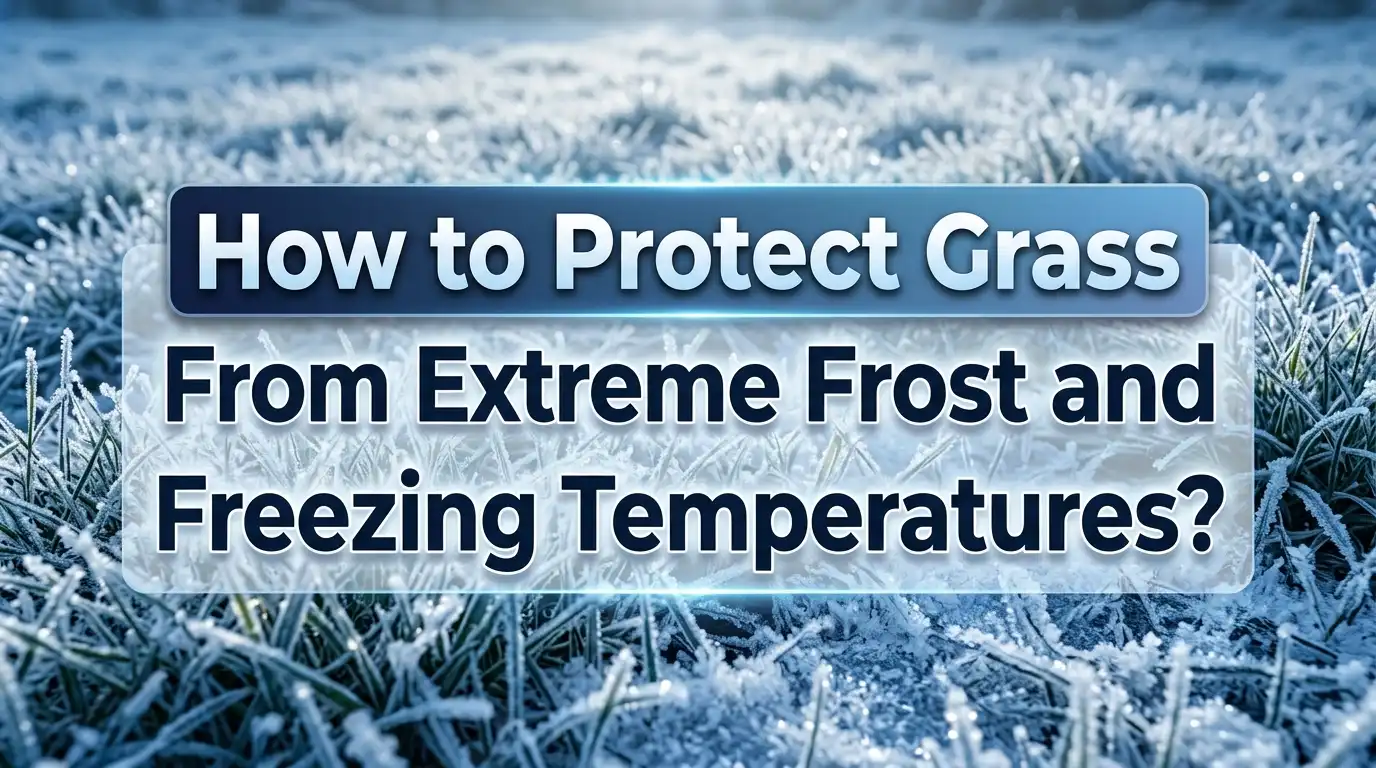
How to Protect Grass From Extreme Frost and Freezing Temperatures?
Winter weather can turn a green, healthy lawn into a brown, patchy mess overnight. Frost crystals form on grass blades, ice damages root systems, and freezing winds strip moisture from every leaf. If you have spent months caring for your yard, watching it suffer from extreme cold feels frustrating and discouraging.
This guide gives you clear, practical methods to protect your grass before, during, and after a deep freeze. You will learn how to water correctly, mow at the right height, apply mulch, use covers, and recover damaged areas in spring.
Let us walk through every step you need to keep your lawn alive and ready to bounce back when warm weather returns.
Key Takeaways
- Prepare your lawn in fall. Strong roots survive cold better than weak ones. Fertilize with potassium in late autumn, aerate the soil, and clear away leaves and debris. Healthy roots equal a healthy lawn.
- Water deeply before a freeze. Moist soil holds heat better than dry soil. Water your grass the afternoon before a hard freeze hits, but never water during frost or freezing weather.
- Mow at the right height. Cut your grass slightly shorter in late fall, around two to two and a half inches. Long blades trap moisture and invite snow mold, while overly short grass exposes the crown.
- Avoid walking on frozen grass. Foot traffic on frosted lawns crushes the frozen blades and damages cells. Stay off your lawn until the frost melts.
- Cover sensitive areas. Use straw, mulch, burlap, or frost cloth on newly seeded sections, sodded areas, or warm season grass during extreme cold snaps.
- Plan for spring recovery. Some damage is normal. Reseed bare patches, aerate compacted soil, and apply a balanced fertilizer once temperatures rise consistently.
Understand How Frost and Freezing Temperatures Damage Grass
Frost damage happens when water inside grass blades freezes. The ice crystals expand and rupture the plant cells. Once those cells burst, the blade turns brown or white and dies back. This is why frosted grass often looks crunchy in the morning.
Freezing temperatures hurt your lawn in two main ways. First, ice forms inside the plant tissue and breaks it apart. Second, frozen soil prevents roots from absorbing water, which causes dehydration. This condition is called winter desiccation, and it is one of the top reasons lawns die during cold months.
Cool season grasses like fescue, ryegrass, and Kentucky bluegrass tolerate cold better. They simply go dormant and turn tan. Warm season grasses like Bermuda, zoysia, and St. Augustine are far more vulnerable. A hard freeze below 25 degrees Fahrenheit can kill warm season grass to the root.
The good news is that mature, established lawns rarely die from a single frost event. The crown of the plant, located just above the soil, stores energy and produces new growth in spring. Your job is to protect that crown and the root system. Once you understand the damage process, every step in this guide will make perfect sense.
Strengthen Your Lawn With Fall Preparation
The best protection against winter damage starts months before the first frost. Fall is your most important season for lawn care. A strong root system in October means a green lawn in April.
Begin by aerating your soil in early fall. Aeration creates small holes that let water, oxygen, and nutrients reach the roots. Compacted soil prevents proper drainage and weakens root growth. You can rent a core aerator or hire a service for larger yards.
Next, apply a winterizer fertilizer rich in potassium. Potassium strengthens cell walls and helps grass resist cold stress. Use a slow release product about six weeks before your area’s first expected freeze. Avoid high nitrogen fertilizers late in the season because they encourage tender new growth that frost will easily kill.
Overseed any thin or bare spots in early fall so the new grass has time to establish before winter. Rake up fallen leaves regularly. A thick layer of wet leaves blocks sunlight and traps moisture, creating perfect conditions for fungus and snow mold.
Finally, give your lawn one deep watering session before the ground freezes. This sets your grass up with strong reserves. Fall preparation is the foundation of winter survival, and skipping it leaves your lawn vulnerable to every cold snap.
Mow Your Grass to the Correct Height Before Winter
Mowing height matters more in winter than at any other time of year. Cut too short and you expose the crown to freezing air. Leave it too long and the blades mat down under snow, inviting disease.
For most cool season lawns, aim for a final mowing height of two to two and a half inches. Warm season grasses like Bermuda do best around one and a half to two inches before dormancy. Gradually lower the mower deck over your last two or three cuts rather than scalping the lawn all at once.
Sharpen your mower blade before the final cut of the season. A dull blade tears grass instead of slicing it cleanly. Torn blades lose moisture faster and become entry points for disease. Clean cuts heal quickly and resist frost damage better.
Mulch the last few mowings so the chopped clippings return nitrogen to the soil. If your final mow produces heavy clumps, however, bag the clippings instead. Wet clumps smother grass and create dead patches by spring.
Stop mowing once your grass stops growing actively. For most regions, this happens when soil temperatures stay below 50 degrees Fahrenheit. Cutting dormant grass causes stress without any benefit. Proper winter mowing is one of the simplest and most effective ways to protect your lawn from cold damage.
Water Deeply Before a Hard Freeze Arrives
Watering before a freeze sounds counterintuitive, but it is one of the most effective protection methods you can use. Moist soil absorbs and holds heat from the sun far better than dry soil. That stored warmth releases slowly overnight and protects roots from extreme cold.
Plan your watering for the afternoon before a predicted freeze. Aim to finish by about 3 or 4 pm so the grass blades have time to dry before temperatures drop. Wet blades that freeze suffer more damage than dry ones. Water the soil, not the leaves.
Use a deep watering approach rather than a light sprinkle. Apply about half an inch to one inch of water across the entire lawn. This soaks the root zone and creates a thermal buffer that can raise overnight soil temperatures by several degrees.
Never water while frost or ice is already present. Adding water to frozen grass creates ice sheets that suffocate the plants. Also, disconnect your hoses and shut off outdoor faucets after watering to prevent pipe damage.
During dormancy, your lawn still needs occasional moisture, especially in dry, windy winters. Water once every three or four weeks on a mild day when temperatures stay above 40 degrees Fahrenheit. This prevents winter desiccation and keeps roots alive until spring.
Apply Mulch and Organic Cover for Extra Insulation
Mulch works like a blanket for your soil. A thin layer of organic material traps heat, blocks wind, and reduces moisture loss. This is especially helpful for new lawns, sodded areas, and warm season grasses facing unusual cold.
For newly seeded or freshly sodded sections, spread a light layer of clean straw about a quarter inch thick. Straw lets sunlight and air through but still insulates the soil. Avoid hay because it often contains weed seeds that will sprout in spring.
Shredded leaves, pine straw, or finely chopped wood mulch also work well around lawn edges, garden borders, and tree bases. Keep the mulch layer thin over actual turf, about a quarter to half an inch, so it does not smother the grass.
For severe cold events, burlap sheets or frost blankets offer stronger protection. Lay them loosely over vulnerable patches and weigh down the corners with rocks or stakes. Remove the covers during the day if temperatures rise above freezing so the grass gets sunlight and air.
After the cold snap ends, rake away heavy mulch gradually as temperatures warm. Leaving thick covers on too long traps moisture and causes mold. Light mulching is a simple, low cost way to add several degrees of protection during the coldest nights of the year.
Use Frost Cloths and Protective Covers Correctly
Frost cloths are lightweight, breathable fabrics designed to shield plants from cold. They raise the temperature underneath by 4 to 8 degrees Fahrenheit. For lawns, they are most useful on small areas like new sod, seedlings, or prized turf patches.
Choose a fabric labeled as frost cloth, garden fleece, or row cover. These materials let air and water pass through while blocking ice formation. Plastic sheeting should never touch the grass directly because it traps moisture and conducts cold straight to the blades.
Drape the cloth loosely over the area you want to protect. Make sure the edges reach the ground and seal in warmth rising from the soil. Anchor the corners with bricks, garden staples, or soil to prevent wind from lifting the cover.
Apply covers in the late afternoon before temperatures drop. Remove them in the morning once frost melts and temperatures rise above freezing. Leaving covers on during sunny days causes overheating and condensation that damages grass.
For larger lawns, full coverage is rarely practical. Focus on the most vulnerable areas first, such as recently planted zones, slopes facing north, or shaded sections that warm slowly. Smart, targeted use of covers gives you the best results without the expense of covering the entire yard.
Avoid Foot Traffic on Frozen or Frosted Grass
Walking on frozen grass causes more damage than most homeowners realize. Each frozen blade is brittle and full of ice crystals. When pressure crushes those blades, the cells inside rupture instantly. The result is a series of brown footprints that may take weeks or even months to recover.
Keep people, pets, and equipment off the lawn whenever you see frost or ice on the surface. Train children and visitors to use sidewalks and paved paths during cold mornings. Block shortcuts across the grass if necessary, using cones or temporary fencing.
Heavy items like patio furniture, garden hoses, and toys can also damage dormant grass. Move them to a paved area or shed for the winter. Items left in place compress the soil and smother the grass beneath them.
Pet urine causes extra harm in winter. Concentrated nitrogen burns dormant grass and leaves yellow spots that show clearly when spring arrives. Rinse spots with water on mild days or train pets to use a designated area.
If you must cross the lawn, wait until the frost melts and the grass blades stand upright again. A little patience in the morning saves you from major repairs in the spring. Avoiding foot traffic costs nothing and provides huge protection benefits.
Manage Snow and Ice on Your Lawn Wisely
Snow is actually good for your lawn. A blanket of snow acts as natural insulation, keeping soil temperatures stable and protecting roots from bitter wind. The problem starts when snow becomes ice or when piles of plowed snow contain salt and chemicals.
Avoid using rock salt or sodium chloride near your lawn. These products dehydrate grass and contaminate soil for months. Use safer alternatives like calcium magnesium acetate or sand on walkways close to turf areas. Even pet safe ice melts should be applied carefully and swept up when possible.
When shoveling snow, spread piles across a wide area rather than dumping them all in one spot. Deep, compacted snow piles take longer to melt and create cold, soggy patches where grass struggles to recover. Smaller spread out piles melt evenly and cause less damage.
Never use sharp tools to chip ice off your lawn. You will tear up frozen grass and soil along with the ice. Let it melt naturally, or use a small amount of safe ice melt to speed things up.
Snow mold is a common problem after long snow cover. Look for circular gray or pink patches when snow recedes in spring. Rake these areas gently to improve airflow, and they usually recover on their own.
Protect Newly Seeded or Sodded Lawns From Cold
New grass is the most fragile type to protect. Young seedlings and freshly laid sod have shallow roots that cannot tolerate freezing soil. If you planted late in the season and a cold front is coming, take extra precautions immediately.
Water the area deeply in the afternoon before the freeze. Damp soil shields tender roots better than dry soil and gives the seedlings a temperature buffer. Avoid heavy watering during the freeze itself, which can wash away seeds or create ice.
Cover the seeded area with a thin layer of clean straw or a germination blanket. These materials hold warmth, retain moisture, and prevent seeds from blowing away. Make sure you can still see soil through the straw so light reaches the seeds.
For new sod, frost cloth or burlap works best. Lay the fabric directly over the sod and anchor the edges. Remove the cover when temperatures rise above freezing so the sod gets sunlight and air circulation.
Hold off on mowing new grass until it reaches at least three inches and has been established for several weeks. Young blades need their full length to photosynthesize and build strength. With careful protection, even late season plantings can survive winter and thrive when spring arrives.
Choose Cold Resistant Grass Varieties for Your Region
Long term frost protection starts with choosing the right grass for your climate. Some species handle cold easily, while others struggle below freezing. Picking a suitable variety saves you years of winter headaches.
In cold regions, plant Kentucky bluegrass, perennial ryegrass, tall fescue, or fine fescue. These cool season grasses thrive in northern climates and tolerate freezing temperatures well. They turn brown during dormancy but green up quickly in spring.
In transition zones, where summers are hot and winters are cold, tall fescue and zoysia perform best. Zoysia is unusual because it tolerates more cold than other warm season grasses. It browns out completely in winter but survives temperatures that would kill Bermuda or St. Augustine.
For warm regions with occasional freezes, choose cold hardy Bermuda cultivars or improved zoysia varieties. Avoid St. Augustine in areas that regularly drop below 25 degrees Fahrenheit because it suffers severe winter damage.
If your current lawn struggles every winter, consider overseeding with a cold tolerant variety in early fall. A blended lawn with multiple grass types provides better resilience against extreme weather. Match your grass to your climate, and you will fight far fewer cold weather battles.
Repair and Recover Your Lawn After a Freeze
Even with the best protection, some winter damage is normal. The good news is that most lawns recover beautifully with proper spring care. The key is patience and a clear recovery plan.
Wait until temperatures stay consistently above 50 degrees Fahrenheit before assessing damage. Many brown patches that look dead are actually dormant and will green up on their own. Gently tug on the brown blades. If they pull out easily, the area is dead. If they hold firm, the grass is just dormant.
Rake dead areas to remove debris and loosen the soil. Reseed bare patches with a grass type that matches your existing lawn. Keep the seeded areas moist until germination, which usually takes seven to fourteen days.
Aerate compacted sections to improve oxygen flow to roots. Apply a balanced fertilizer with light nitrogen content to encourage new growth without overwhelming weakened plants. Avoid heavy feeding too early, which can stress recovering grass.
Mow at a higher setting for the first few weeks of spring. Taller blades shade the soil, retain moisture, and help damaged grass recover faster. Within four to six weeks, most lawns regain their full green color and density. Consistent care turns winter damage into a fresh, healthy start.
Frequently Asked Questions
How cold does it have to be to damage grass?
Most established cool season grasses handle temperatures down to about 0 degrees Fahrenheit without major damage. Warm season grasses suffer when temperatures drop below 25 to 30 degrees Fahrenheit. New seedlings and fresh sod can be damaged at any freezing temperature.
Should I water my lawn before a freeze?
Yes, water deeply in the afternoon before a hard freeze. Moist soil holds heat better than dry soil and protects roots from extreme cold. Finish watering by 3 or 4 pm so the blades dry before temperatures drop.
Is it bad to walk on frosted grass?
Yes. Walking on frozen grass crushes the brittle, ice filled blades and ruptures the cells inside. The result is brown footprints that can take weeks to recover. Stay off your lawn until the frost melts each morning.
Will snow kill my grass?
Snow itself does not kill grass. In fact, it acts as insulation and protects roots from wind and extreme cold. Problems happen when snow contains salt, when ice forms a thick crust, or when snow mold develops under long lasting cover.
Should I cover my entire lawn during a freeze?
No, covering an entire lawn is rarely necessary or practical. Focus on protecting new sod, freshly seeded areas, and warm season grass during severe cold snaps. Use frost cloth, straw, or burlap on the most vulnerable spots only.
When should I stop mowing for the winter?
Stop mowing when grass growth slows and soil temperatures drop below 50 degrees Fahrenheit. Your final cut should be slightly shorter than usual, around two to two and a half inches for most lawns, to prevent matting and snow mold.
How do I know if my grass is dead or just dormant?
Tug gently on the brown blades. If they pull out easily with no resistance, the grass is likely dead. If they hold firm and the crown at the base looks white or green, the grass is dormant and will recover in spring.

Hi, I’m Jane! As a passionate gardener and product enthusiast, I spend my days testing garden tools, comparing products, and writing honest reviews so you don’t have to learn the hard way. Got a question? Feel free to reach out — I’d love to hear from you!