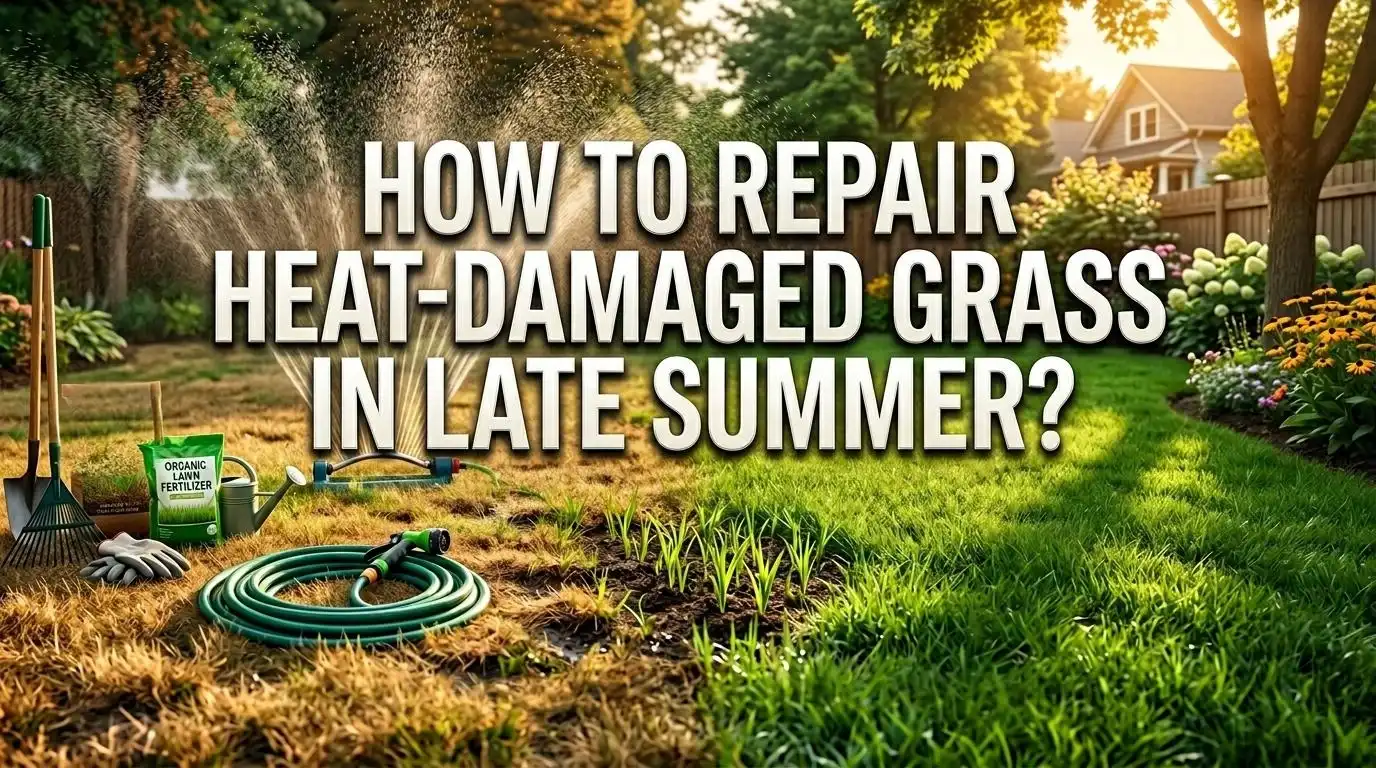
How to Repair Heat Damaged Grass in Late Summer?
Is your lawn looking brown, patchy, and lifeless after weeks of brutal summer heat? You are not alone. Every year, millions of homeowners face the same frustrating sight: a once green, lush lawn reduced to a dry, crispy mess.
The good news is that late summer is actually one of the best times to start repairing your damaged turf. Many grasses go dormant during extreme heat, and what looks dead may still have life hiding beneath the surface.
The key is knowing exactly what steps to take and when to take them. Acting too soon or too aggressively can cause even more harm. Acting too late means you lose the prime recovery window before fall.
This guide will walk you through every stage of lawn repair, from figuring out if your grass is dormant or truly dead, all the way to overseeding and fertilizing for a strong fall comeback.
Key Takeaways
- Late summer is a prime recovery window for heat damaged lawns because temperatures begin to moderate, giving grass a chance to bounce back before fall arrives. The combination of slightly cooler nights and available moisture creates ideal conditions for new growth and root development.
- Check if your grass is dormant or dead before doing anything else. Dormant grass has firm roots and will resist a gentle tug, while dead grass pulls right out of the soil. This simple test saves you time and money by telling you whether your lawn can recover on its own or needs reseeding.
- Deep, infrequent watering beats daily light sprinkling every time. Aim for about 1 to 1.5 inches of water per week, delivered in two or three sessions during the early morning hours. This encourages roots to grow deeper and makes your lawn more resilient.
- Aeration is one of the most effective recovery tools for compacted, heat stressed soil. Core aeration opens up the ground so water, air, and nutrients can reach the root zone where they are needed most.
- Overseeding bare and thin spots in late summer gives new grass time to establish before the first frost. For cool season grasses, this timing is ideal because soil is still warm and air temperatures are dropping.
- Avoid heavy nitrogen fertilizer on stressed grass. Instead, use a balanced or potassium rich fertilizer that supports root strength and stress recovery without forcing rapid top growth the lawn cannot sustain.
Understanding Heat Stress and How It Affects Your Lawn
Heat stress occurs when soil and air temperatures stay elevated for extended periods, usually above 85°F for cool season grasses and above 100°F for warm season types. During these periods, grass loses water faster than its roots can absorb it. The plant responds by shutting down growth and redirecting energy to protect its root system and crown.
You will notice the signs quickly. The grass blades turn from green to a dull bluish gray color, then progress to yellow and eventually brown. Footprints stay visible long after you walk across the lawn because the stressed blades lack the moisture to spring back up. Some areas may thin out or die off completely, especially in spots that receive full afternoon sun.
Cool season grasses like Kentucky bluegrass, perennial ryegrass, and tall fescue are especially vulnerable during summer heat waves. These grasses thrive in temperatures between 60°F and 75°F, so prolonged heat pushes them far outside their comfort zone. Warm season grasses like Bermuda, zoysia, and St. Augustine handle heat better but can still suffer during extreme droughts.
The root system takes the biggest hidden hit. Heat bakes the top layer of soil, reducing moisture and oxygen availability. Shallow roots dry out first, leaving the grass unable to feed itself. Compacted soil makes this problem worse because water runs off instead of soaking in.
How to Tell if Your Grass Is Dormant or Dead
Before you spend time and money on repairs, you need to answer one critical question: is your lawn dormant or actually dead? This distinction changes your entire approach. Dormant grass is alive but resting. Dead grass is gone and needs to be replaced.
The easiest test is the tug test. Grab a small handful of brown grass and pull gently. If the grass resists and stays rooted in the soil, it is dormant. If it slides right out with no resistance, those plants are dead. Dormant grass holds firm because its root system is still active beneath the surface.
Look at the pattern of the damage as well. Dormant grass tends to turn brown uniformly across the lawn. If you see random patches, circles, or irregular shapes of brown surrounded by green, the problem may be disease, insects, or localized die off rather than simple heat dormancy.
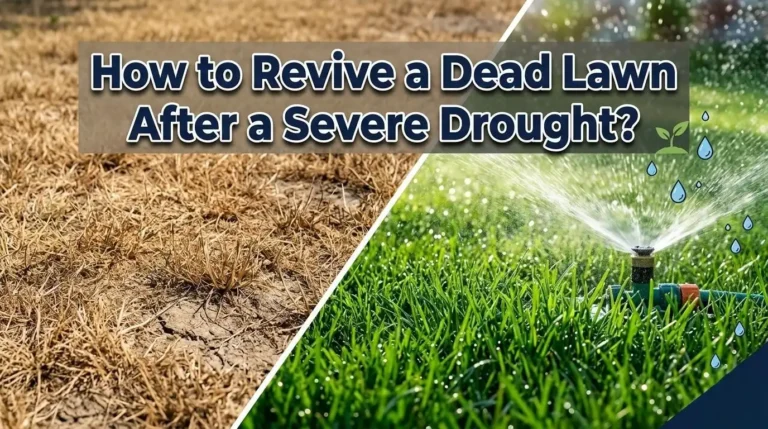
Another useful method is the water test. Pick a small brown area and water it deeply for several days in a row. Dormant grass will begin showing green at the base of the blades within a week. Dead grass will show no response at all, no matter how much water you apply.
Pros of identifying dormancy early: You save money by avoiding unnecessary reseeding, and you avoid disturbing soil that is already recovering. Cons: Waiting too long to confirm can delay your repair schedule if the grass turns out to be dead.
Adjusting Your Watering Strategy for Recovery
Watering is the single most important factor in bringing a heat stressed lawn back to life. But the way you water matters far more than the total amount. Deep, infrequent watering encourages roots to grow downward in search of moisture, which builds long term resilience.
Aim for 1 to 1.5 inches of water per week, split into two or three watering sessions. Each session should deliver about half an inch of water, which typically takes 20 to 30 minutes with most sprinkler systems. Place a small tuna can or rain gauge on the lawn to measure your output accurately.
Water early in the morning, ideally between 5 a.m. and 9 a.m. This timing allows the grass to absorb moisture before the midday sun causes evaporation. It also gives the blades time to dry before nightfall, which reduces the risk of fungal diseases. Avoid evening watering because wet grass overnight creates the perfect environment for mold and mildew.
Pros of deep watering: Stronger root systems, better drought tolerance, and more efficient water use overall. Cons: Requires patience and consistency, and overwatering can lead to root rot or fungal problems if drainage is poor.
Pay special attention to slopes, edges, and south facing areas of your lawn. These dry out faster and may need additional water. If you notice water pooling or running off, break your watering into shorter cycles with 30 minute breaks between them to let the soil absorb.
Raising Your Mowing Height
One of the simplest changes you can make during late summer recovery is raising your mower blade. Taller grass shades the soil, which reduces evaporation and keeps root zone temperatures lower. This small adjustment has a significant impact on how quickly your lawn bounces back.
For cool season grasses, set your mower height to 3.5 to 4 inches. For warm season grasses, aim for 2.5 to 3 inches. These heights allow the grass to maintain more leaf surface area, which means more photosynthesis and faster energy production for recovery.
Never remove more than one third of the grass blade in a single mowing. Cutting too short, often called scalping, removes the plant’s primary food producing surface and forces it to redirect energy away from root growth. On a heat stressed lawn, scalping can push already struggling grass past the point of recovery.
Keep your mower blades sharp. Dull blades tear the grass rather than cutting it cleanly, leaving ragged edges that lose moisture quickly and invite disease. A clean cut heals faster and looks better. Sharpen or replace blades at least once per season, or more often if your lawn has sandy soil that dulls edges quickly.
Pros of mowing high: Cooler soil, deeper roots, natural weed suppression, and reduced water needs. Cons: The lawn may look slightly less manicured, and thick grass at higher heights can sometimes harbor moisture near the crown if airflow is poor.
Aerating Compacted Soil
Summer heat combined with foot traffic, mowing, and dry conditions often leads to severely compacted soil. Compaction squeezes out the tiny air pockets that roots need to breathe and grow. It also prevents water from penetrating the surface, causing runoff and dry spots even when you water regularly.
Core aeration is the most effective solution. A core aerator pulls small plugs of soil out of the ground, usually 2 to 3 inches deep, and deposits them on the surface. These holes allow water, air, and nutrients to reach the root zone directly. The soil plugs break down naturally and return organic matter to the surface.
Late summer through early fall is the ideal aeration window for cool season grasses. The soil is still warm enough to encourage rapid recovery, and the timing sets your lawn up perfectly for overseeding. For warm season grasses, late spring or early summer is usually better, but a light late summer aeration can still help with compaction relief.
You can rent a core aerator from most equipment rental stores. Make two passes over the lawn in different directions for best results. Water the lawn a day before aerating so the soil is moist but not soggy. Avoid spike aerators for compaction problems because they push soil sideways rather than removing it, which can actually make compaction worse.
Pros of core aeration: Immediate improvement in water absorption, better root growth, and enhanced fertilizer uptake. Cons: The lawn looks messy for a week or two while plugs break down, and rental equipment can be heavy and difficult to maneuver.
Overseeding Bare and Thin Areas
Heat damage often leaves behind bare patches and thin spots that will not fill in on their own. Overseeding is the process of spreading new grass seed over your existing lawn to thicken the turf and fill in damaged areas. Late summer is an excellent time for this, especially for cool season grasses.
The timing works well because soil temperatures are still warm enough for germination (ideally 50°F to 65°F), while air temperatures are beginning to cool. New seedlings face less heat stress and have several weeks to establish roots before the first frost arrives. Plan your overseeding about 45 days before your area’s average first frost date.
Start by mowing the existing grass shorter than usual in the areas you plan to seed. This allows sunlight to reach the soil surface and gives new seedlings room to grow. Rake away any dead grass, leaves, or debris that could block seed to soil contact. If you have just aerated, the holes left behind create perfect pockets for seed.
Spread the seed evenly using a broadcast or drop spreader. Follow the recommended seeding rate on the seed label. Using too much seed creates overcrowding and competition, while too little leaves gaps. After spreading, lightly rake the seed into the top quarter inch of soil and apply a thin layer of compost or peat moss to hold moisture.
Pros of overseeding: Fills bare spots, improves turf density, introduces newer grass varieties that may be more heat tolerant. Cons: Requires consistent watering for 2 to 3 weeks, and new seedlings are fragile and vulnerable to foot traffic.
Topdressing With Compost for Soil Health
Heat damaged lawns benefit greatly from topdressing with a thin layer of finished compost. Compost adds organic matter to the soil, improves its ability to hold moisture, and introduces beneficial microorganisms that support root health. It is one of the best natural ways to restore tired, depleted soil.
Apply a layer of screened, finished compost no more than a quarter to half inch thick across the lawn. Spread it evenly with a shovel and then work it into the grass canopy using the back of a rake or a lawn leveling tool. The compost should settle around the grass blades, not smother them.
Make sure the compost is fully finished and not still hot from the decomposition process. Unfinished compost can literally cook grass blades and introduce weed seeds into your lawn. Quality compost should smell earthy, not sour or like ammonia. It should have a dark, crumbly texture with no recognizable chunks of food or plant material.
Topdressing pairs perfectly with aeration. When you topdress right after core aerating, the compost fills the aeration holes and delivers organic matter directly to the root zone. This combination accelerates recovery and gives your soil the biological boost it needs to support strong fall growth.
Pros of compost topdressing: Improves soil structure, increases water retention, feeds beneficial soil biology, and reduces the need for synthetic fertilizers over time. Cons: Quality compost can be expensive in large quantities, and improper application (too thick) can suffocate grass.
Choosing the Right Fertilizer for Recovery
Fertilizing a heat damaged lawn requires a careful approach. Heavy nitrogen applications on stressed grass can burn roots and force weak top growth that the plant cannot sustain. Instead, focus on balanced nutrition that supports root recovery and overall plant strength.
Look for a fertilizer with a higher potassium content. Potassium strengthens cell walls, improves drought tolerance, and helps the plant manage stress more effectively. A fertilizer with a ratio like 10 5 15 or similar, where the last number (potassium) is the highest, is a good choice for late summer recovery.
Wait until you see signs of active growth before applying any fertilizer. If your grass is still dormant or severely stressed, fertilizer will sit on the surface and can cause chemical burn. Once you see new green blades emerging and the lawn is being watered regularly, a light application of fertilizer will give recovery a meaningful boost.
Apply fertilizer in the early morning or late afternoon when temperatures are cooler. Water the lawn lightly after application to wash the granules off the blades and into the soil. Follow the label rates carefully. More is not better with fertilizer, and over application is one of the most common mistakes homeowners make.
Pros of proper fertilization: Faster recovery, stronger roots, better color, and improved resistance to future stress. Cons: Mistimed or excessive fertilization can damage weakened grass, and synthetic fertilizers can harm soil biology if overused.
Managing Weeds During Recovery
When your lawn thins out from heat damage, weeds rush in to fill the gaps. Crabgrass, spurge, and clover are especially aggressive during late summer. They thrive in the hot, dry conditions that weaken your turf. Ignoring them allows weeds to establish deep root systems and spread seed before fall.
However, you need to be careful with weed control on a recovering lawn. Herbicides can stress grass that is already struggling, especially broadleaf weed killers applied during high temperatures. If your lawn is severely damaged, focus on recovery first and deal with weeds once the turf is actively growing and healthy again.
Hand pulling is the safest option for small weed populations. Pull weeds after watering when the soil is soft and the roots come out more easily. Remove the entire root system to prevent regrowth. For larger infestations, spot treat individual weeds rather than applying herbicide across the entire lawn.
If you plan to overseed, be aware that most pre emergent herbicides prevent grass seed from germinating along with weed seed. Do not apply pre emergent products within 6 to 8 weeks of overseeding. Post emergent products can be used selectively, but read the label carefully to ensure they are safe for young grass seedlings.
Pros of careful weed management: Reduces competition for water and nutrients, prevents weed seed spread. Cons: Hand pulling is labor intensive, and herbicides carry risk on stressed lawns.
Dealing With Bare Soil and Erosion
Large areas of dead grass leave bare soil exposed, which creates erosion risks during late summer thunderstorms. Rain hits unprotected soil directly, washing away topsoil and creating ruts. Wind can also carry away dry, loose soil on exposed patches.
Address bare areas quickly by loosening the top inch of soil with a garden rake. Break up any crusty, compacted surface layer so water can soak in rather than run off. Add a thin layer of quality topsoil or compost to build the surface back up and provide a good growing medium for new seed.
After seeding bare patches, cover them with a light layer of straw mulch or erosion control fabric. The mulch holds the soil in place, retains moisture, and shields new seedlings from harsh sun. Use clean straw, not hay, because hay often contains weed seeds that will compete with your new grass.
For slopes or areas with significant erosion, consider using erosion control blankets made from jute or coconut fiber. These biodegradable mats hold soil and seed in place while allowing water and sunlight to pass through. They break down naturally over several months as the new grass establishes.
Pros of erosion control measures: Protects soil investment, improves seed germination rates, prevents further damage. Cons: Materials add cost, and straw mulch can be blown around by wind if not applied thickly enough.
Reducing Lawn Traffic and Stress
This step sounds simple, but it is one of the most overlooked parts of lawn recovery. Foot traffic, pet activity, and heavy equipment compress already damaged soil and crush fragile new growth. Giving your lawn a rest during recovery makes a measurable difference in how fast it bounces back.
Set up temporary barriers, flags, or ropes around the most damaged areas to remind family members and visitors to stay off. Redirect foot paths to walkways, stepping stones, or less damaged sections of the yard. Even a few weeks of reduced traffic gives recovering grass a major advantage.
Keep pets off freshly seeded areas if possible. Dog urine contains nitrogen that can burn tender new seedlings, and digging destroys seed to soil contact. If your dog has a favorite area of the yard, consider temporarily fencing it off until the new grass is at least 3 inches tall and has been mowed once.
Move play equipment, patio furniture, and anything else sitting on the grass periodically to prevent dead spots from forming underneath. Heavy objects block sunlight and airflow, which are both essential for recovery. Even shifting items a few feet every week helps distribute the impact.
Pros of reducing traffic: Faster recovery, better germination rates for new seed, less soil compaction. Cons: Inconvenient for families with kids and pets, requires temporary changes to yard usage.
Planning Your Fall Lawn Care Schedule
Late summer repair work is most effective when it connects to a strong fall maintenance plan. Think of late summer as the setup phase and early fall as the main recovery period. Cool season grasses do the majority of their root building during fall, so everything you do now sets the stage.
Create a timeline that starts with your area’s average first frost date and works backward. About 8 weeks before frost, begin aeration and overseeding. About 6 weeks before frost, apply a starter fertilizer if you have overseeded, or a balanced fall fertilizer for established turf. Continue regular watering through mid fall or until consistent rainfall takes over.
Gradually lower your mowing height as fall progresses and temperatures cool. Cool season grasses can be mowed at 2.5 to 3 inches once the heat stress period ends. This shorter cut encourages lateral spread and helps the lawn fill in thin areas. For the last mow of the season, drop the height slightly to reduce snow mold risk over winter.
Plan to apply a winterizer fertilizer in late fall, typically after the last mow but while the grass is still green. This final feeding gives roots a boost of nutrients to store over winter, resulting in a faster, stronger green up the following spring. Potassium rich winterizer formulas are especially helpful for lawns recovering from heat damage.
Choosing Heat Tolerant Grass Varieties for the Future
If your lawn suffers severe heat damage every summer, it may be time to rethink the grass varieties in your turf. Newer cultivars of many popular grasses offer significantly better heat and drought tolerance than older varieties. Overseeding with improved seed can gradually transform your lawn into a more resilient stand.
For cool season lawns, tall fescue is one of the best options for heat tolerance. Its deep root system reaches moisture that shallower rooted grasses like Kentucky bluegrass cannot access. Newer turf type tall fescue varieties offer fine texture and dark green color along with excellent heat resistance.
Warm season grass owners have strong options too. Bermuda grass varieties bred for home lawns provide dense coverage and exceptional heat tolerance. Zoysia grass offers a good middle ground with moderate heat tolerance and better shade performance. Buffalo grass is an ultra low maintenance option for hot, dry climates.
Consider blending multiple grass species in your lawn rather than relying on a single type. A blend of two or three compatible species ensures that if one variety struggles during extreme heat, the others can compensate. Seed companies sell pre mixed blends designed for specific regions and conditions.
Pros of switching to heat tolerant varieties: Reduced water needs, fewer recovery cycles, and lower long term maintenance costs. Cons: Transitioning takes one to two growing seasons, and new varieties may have different mowing or care requirements.
Common Mistakes to Avoid During Lawn Recovery
Many homeowners make the situation worse by reacting too aggressively after heat damage. The desire to fix everything quickly leads to common errors that slow down recovery or cause additional harm.
Over watering is a frequent mistake. Saturating the soil daily in an effort to revive brown grass creates waterlogged conditions that suffocate roots and invite fungal diseases. Stick to the deep and infrequent schedule described earlier, and resist the urge to run the sprinkler every day.
Fertilizing too early or too heavily ranks as another top error. Applying high nitrogen fertilizer to dormant or severely stressed grass forces the plant to produce blade growth before its root system can support it. This weakens the plant further and can result in fertilizer burn on already damaged tissue.
Do not dethatch a heat stressed lawn. Dethatching is aggressive and tears up the turf, which is exactly the opposite of what struggling grass needs. Wait until the lawn has fully recovered and is actively growing before addressing thatch issues. The same applies to power raking or aggressive renovation work.
Finally, avoid planting grass seed during the hottest part of summer. New seedlings cannot survive extreme heat, and the effort will be wasted. Wait until late summer temperatures begin dropping, especially overnight lows, before putting seed down.
Frequently Asked Questions
How long does it take for heat damaged grass to recover?
Recovery time depends on the severity of the damage and your grass type. Dormant grass that receives proper watering can show green growth within 7 to 14 days. Overseeded areas typically take 2 to 3 weeks for germination and another 4 to 6 weeks to fill in. A fully damaged lawn may need an entire growing season to return to its previous condition.
Can I use sprinklers to fix my heat damaged lawn?
Yes, sprinklers work well for recovery watering as long as you measure the output and water at the right time. Place small containers around the lawn to check that your sprinklers deliver even coverage. Water early in the morning to reduce evaporation and disease risk. Adjust sprinkler heads to avoid watering sidewalks and driveways.
Should I remove dead grass before reseeding?
Yes. Rake out dead grass and debris before spreading new seed. Dead grass creates a barrier between the seed and soil, which prevents proper germination. Use a stiff garden rake to clear the area, loosen the top layer of soil, and create a welcoming seedbed for new grass.
Is it too late to overseed in September?
For most cool season grass zones, September is actually the ideal month for overseeding. Soil temperatures remain warm enough for germination while cooler air temperatures reduce stress on new seedlings. As long as you seed at least 45 days before your average first frost, September overseeding usually produces excellent results.
Will watering brown grass bring it back to life?
It depends on whether the grass is dormant or dead. Dormant grass will gradually green up with consistent deep watering over one to two weeks. Dead grass will not respond to water at all. Perform the tug test described earlier in this guide to determine which category your brown grass falls into before committing to a recovery plan.
How do I prevent heat damage to my lawn next summer?
Start with proper preparation the previous fall. Aerate, overseed with heat tolerant varieties, and apply a winterizer fertilizer. In spring, build a deep root system with infrequent deep watering. Mow at the highest recommended height for your grass type during summer. Avoid heavy fertilization once temperatures climb above 85°F for cool season grasses.

Hi, I’m Jane! As a passionate gardener and product enthusiast, I spend my days testing garden tools, comparing products, and writing honest reviews so you don’t have to learn the hard way. Got a question? Feel free to reach out — I’d love to hear from you!