
How to Fix a Yellowing Lawn Without Using Synthetic Fertilizers?
A yellow lawn can feel like a punch to the gut. You water it, mow it, and still those dull patches spread across your yard.
The good news? You don’t need synthetic fertilizers to fix this problem.
Yellowing grass usually points to something specific. It could be poor drainage, nutrient gaps, fungal issues, or simple heat stress. Sometimes it’s just frost damage that will heal on its own.
The trick is figuring out which cause applies to your lawn. Once you know that, the fix becomes much simpler.
This article walks you through natural ways to restore your lawn’s color. You’ll learn how aeration improves drainage and root health. We’ll cover compost topdressing and organic alternatives like humates. You’ll also discover proper watering habits that build stronger roots.
We’ll point out common mistakes too. Many people over treat their lawn without knowing the real cause. Others water too often but too shallow, which weakens grass over time.
By the end, you’ll know exactly how to bring your lawn back to life. No synthetic chemicals needed, just smart, natural care.
In a Nutshell
Here’s the quick rundown for fixing a yellow lawn naturally.
-
Find the real cause first. Yellow grass can mean low nitrogen, poor drainage, fungal issues, or heat stress. Treating the wrong problem wastes time and money.
-
Aerate your soil. This improves drainage and lets roots breathe. It’s a simple fix for waterlogged, yellowing patches.
-
Add compost topdressing. Compost feeds your lawn naturally. It also improves soil structure over time.
-
Try organic boosters like Humates Plus. These act as a natural alternative to synthetic fertilizers. They help grass absorb nutrients better.
-
Water deeply, not often. Deep watering encourages strong roots. Frequent shallow watering does the opposite.
-
Raise your mowing height. Taller grass blades protect roots from sun and stress. This simple tweak prevents future yellowing.
-
Be patient with fungal or frost damage. These issues often fade naturally once weather conditions change. Aggressive treatment can sometimes make things worse.
Follow these steps and skip the guesswork. Your lawn will thank you.
Common Causes of a Yellowing Lawn
Your lawn turns yellow for specific reasons. Understanding what causes the problem helps you fix it correctly without wasting time or effort.
Nitrogen deficiency is the most common culprit. Grass needs nitrogen to produce chlorophyll, which gives it that rich green color. When nitrogen runs low, your lawn fades to yellow or pale green. This happens quickly in spring or after heavy rain washes nutrients away.
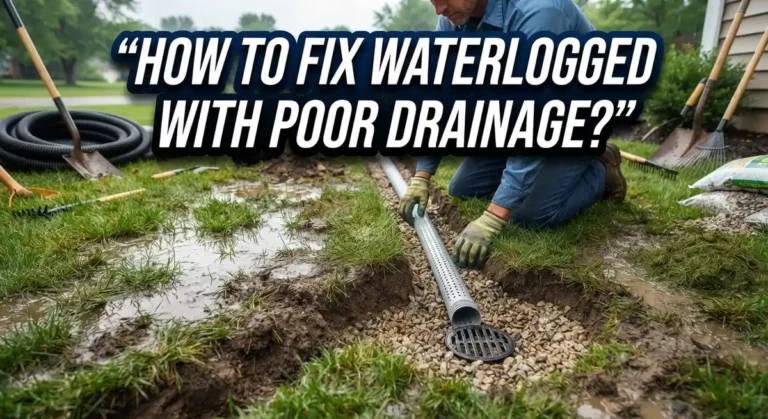
Poor drainage creates another yellowing problem. When water sits on your soil, roots can’t breathe. Soggy conditions also invite fungal growth. Your grass weakens and turns yellow as a stress response. This issue shows up in low spots or clay heavy areas.
Fungal diseases cause specific yellow patches. Yellow patch fungus thrives in cool, wet weather. The affected grass looks bleached or straw colored. Fortunately, this condition often clears up on its own once temperatures rise and soil dries out.
Heat and drought stress make grass go dormant and yellow. During extreme heat, grass shuts down to survive. This is a natural protection mechanism. Your lawn isn’t dead, just resting. Once cooler weather arrives and moisture returns, color comes back.
Frost and cold damage yellows new growth in spring. Winter stress can damage grass blades and roots. The lawn recovers naturally as temperatures warm up. Aggressive treatment actually slows recovery in this case.
Shallow, frequent watering creates weak root systems. Grass roots stay near the surface and can’t access deep moisture. This makes your lawn vulnerable to heat, drought, and disease. The result is yellowing and thinning patches.
The key point? Identify your specific problem first. A yellow lawn from nitrogen deficiency needs different treatment than one suffering from poor drainage or fungal issues. Look at your lawn’s pattern, check soil moisture, and observe weather conditions. This detective work saves you time and ensures your fix actually works.
How to Diagnose the Root Cause Before Treating
Before you treat your yellowing lawn, you need to know why it’s yellow. Different causes need different fixes. Treating the wrong problem wastes time and effort.
Start by looking at your lawn closely. Yellow patches in specific spots often signal fungal disease. Overall yellowing across the entire lawn usually points to nitrogen deficiency or drainage issues. Pay attention to the pattern.
Check your soil drainage next. Walk your lawn after rain. Does water sit on the surface, or does it soak in? Soggy soil means poor drainage is your culprit. Compacted soil prevents water from moving down to roots.
Feel the soil texture. Hard, compact soil needs aeration. Loose, crumbly soil usually drains fine. This simple test tells you a lot.
Look at your watering habits. Shallow, frequent watering creates weak root systems and yellowing grass. Deep watering once or twice weekly builds strong roots. If you’ve been watering daily for short periods, that’s likely your problem.
Consider the season and weather. Frost damage yellows new spring growth. Heat and drought stress make grass go dormant and turn yellow. Cold, wet springs trigger fungal issues. The time of year matters.
Check your mowing height too. Short grass shows stress faster than tall grass. If you’ve been cutting low, raise your blade height. Taller blades protect the plant and reduce yellowing.
Finally, look at your lawn’s history. Have you applied synthetic fertilizers recently? Did you skip fertilizing this year? Recent changes often explain yellowing.
Take photos of the yellowing pattern and affected areas. Note the weather conditions. Write down your watering schedule. This information helps you pinpoint the exact cause. Once you know the real problem, treating your lawn becomes straightforward and effective.
Step-by-Step Organic Recovery Plan
Once you’ve identified why your lawn is yellow, it’s time to act. The recovery process follows a clear path that works with nature instead of against it.
Start with aeration. This step opens up compacted soil and improves water movement. Use a core aerator to remove small soil plugs from your lawn. This lets oxygen reach grass roots and reduces waterlogging. Do this in spring or fall for best results.
Next, apply compost topdressing. Spread a quarter to half inch of quality compost across your yellowed areas. This adds organic matter and feeds beneficial soil microbes. The microbes break down compost and release nutrients slowly. Your grass gets steady nutrition without chemical shock.
Water deeply but infrequently. Soak your lawn once or twice weekly rather than daily light sprinkles. Deep watering pushes roots down into soil. Shallow, frequent watering keeps roots near the surface where they dry out faster. Water early morning to reduce evaporation and disease risk.
Raise your mowing height immediately. Taller grass blades shade soil and reduce stress. They also photosynthesize more efficiently. Mow at the highest setting your machine allows. Never remove more than one third of the blade in a single cutting.
Use organic nitrogen sources if needed. Grass clippings, compost, and other organic materials release nitrogen gradually. This slow release prevents burning and supports long term health.
Give your lawn time to respond. Most yellowing issues show improvement within two to four weeks. Fungal problems and frost damage often resolve naturally as weather improves. Avoid aggressive treatments that stress already weakened grass.
Stay consistent with your routine. Regular deep watering, proper mowing, and organic feeding create conditions where grass thrives. Your lawn will green up as it receives what it actually needs.
Watering Practices That Restore Lawn Health
Watering is one of the most important factors in restoring your yellowing lawn. Many people make the mistake of watering shallow and often, which actually weakens grass roots. Your goal is to water deeply but infrequently instead.
Deep watering means soaking your soil to a depth of 6 to 8 inches. This encourages roots to grow deeper into the soil where they find moisture and nutrients. Shallow, frequent watering keeps roots near the surface, making them vulnerable to heat and drought stress.
Water your lawn once or twice per week rather than daily. A single deep session is better than multiple short sprinkles. Let your soil dry out slightly between waterings. This teaches roots to search deeper for water.
The best time to water is early morning, before 10 AM. Morning watering reduces disease risk because grass dries quickly. Avoid watering in the evening, as wet grass overnight creates conditions for fungal problems.
Check your soil moisture before watering. Stick your finger into the soil. If it feels moist 2 to 3 inches down, skip watering that day. This prevents overwatering, which causes poor drainage and yellowing.
Your lawn needs about 1 to 1.5 inches of water per week from rain or irrigation. Use a rain gauge to measure how much water your sprinkler delivers. Adjust your watering time accordingly.
Poor drainage often causes yellowing, so watering practices matter even more. If water sits on your lawn or drains very slowly, aeration helps. Aerating creates holes that let water penetrate deeper and air reach roots.
During hot months, your lawn needs more water. During cool seasons, reduce watering frequency. Adjust based on rainfall and weather conditions.
Consistent, deep watering combined with proper aeration restores most yellowing lawns within 4 to 6 weeks.
Mowing and Aeration Techniques for Greener Grass
Proper mowing height directly impacts grass color and health. When you cut your grass too short, you stress the plant and expose it to disease and sun damage. This causes yellowing that has nothing to do with nutrients.
Raise your mower blade to at least 2.5 to 3 inches for most grass types. Taller grass shades the soil, keeps roots cooler, and reduces water loss. It also develops stronger root systems that can access deeper soil moisture and nutrients.
Cut your lawn once per week during growing season. Never remove more than one third of the blade length in a single mowing. Cutting more than this shocks the grass and triggers yellowing within days.
Aeration solves multiple problems at once. This process creates small holes in your soil that allow air, water, and nutrients to reach grass roots. Compacted soil prevents water from draining properly and causes yellowing even when moisture is present.
Aerate your lawn in spring or fall when temperatures are mild. Use a core aerator that removes small plugs of soil rather than just poking holes. Aim for 12 to 16 holes per square foot for best results.
After aeration, your lawn can absorb organic amendments much more effectively. This is the perfect time to apply compost topdressing. The compost fills aeration holes and adds organic matter that improves drainage while building natural nitrogen levels over time.
Combine these techniques for faster recovery. Raise mowing height, aerate to improve soil structure, and apply compost topdressing. This trio addresses yellowing caused by poor drainage, compaction, and nutrient deficiency without synthetic inputs.
Most yellowing lawns show visible improvement within 3 to 4 weeks when you combine proper mowing with aeration and organic amendments. Consistency matters more than any single action.
Mistakes That Make Yellowing Worse
Many people make simple mistakes that actually make their yellowing lawn worse instead of better. Understanding these errors helps you avoid them and recover faster.
The biggest mistake is assuming all yellow grass means nutrient deficiency. Yellow patches can come from poor drainage, fungal issues, heat stress, or even cold damage. Treating a drainage problem with nitrogen won’t help. You must diagnose the real cause first before spending time and effort on solutions.
Shallow, frequent watering is another common error. Many homeowners water for 15 to 25 minutes every single day. This creates shallow root systems that can’t access deep soil moisture. Your grass becomes weaker and more vulnerable to stress. Instead, water deeply but infrequently to encourage strong, deep roots.
Mowing too short makes yellowing worse. When you cut grass below 2.5 inches, you stress the plant and reduce its ability to recover. Short grass also exposes more soil to sun, which increases heat stress. Raise your mower blade immediately if you’ve been cutting short.
Over treating without diagnosis wastes your effort and money. Some people apply multiple solutions at once without knowing what actually caused the problem. You might add compost, apply baking soda, and change your watering schedule simultaneously. This makes it impossible to know what actually worked or what caused new problems.
Ignoring frost damage is another mistake. After frost damage, many people try aggressive treatments. Your lawn actually recovers naturally on its own. Aggressive treatment during recovery can cause more harm.
Finally, expecting instant results leads to disappointment. Organic recovery takes time. Most yellowing lawns need 4 to 6 weeks of consistent care before showing major improvement. Be patient and stick with your plan. Rushing the process or changing strategies too quickly prevents real recovery.
Troubleshooting Persistent or Recurring Yellow Patches
When yellow patches keep returning to your lawn despite your efforts, the problem usually runs deeper than a single treatment can fix. Persistent yellowing signals that your soil environment needs adjustment, not just a quick fix.
Start by identifying whether the yellowing appears in the same spots each season. Recurring patches often indicate poor drainage in those specific areas. Water pools there during rain, suffocating grass roots and creating fungal conditions. Aeration becomes your primary tool here. Breaking up compacted soil lets water drain properly and allows roots to access oxygen and nutrients.
After aeration, apply compost topdressing across the affected zones. This builds soil structure over time and introduces beneficial microorganisms that fight fungal issues naturally. Compost works slowly but creates lasting change, unlike quick fixes that fade away.
Check your grass height too. Mowing too short weakens root systems and makes yellowing worse in stressed areas. Keep blades at 2.5 to 3 inches minimum to build stronger, more resilient grass.
If the same patches yellow during specific seasons, frost damage or heat stress might be the culprit rather than nutrients. Frost damaged grass recovers naturally without aggressive treatment. Heat stressed areas need deeper, less frequent watering to encourage deep root growth.
Fungal yellowing appears as circular patches and typically resolves on its own during dry weather. Avoid overwatering these zones, as moisture feeds fungal growth. Instead, improve air circulation by removing debris and maintaining proper mowing height.
The key to stopping recurring yellowing is addressing the root cause, not just treating symptoms. Spend time diagnosing why that spot fails repeatedly. Once you fix the underlying drainage, soil quality, or environmental stress, the yellowing usually stops returning. Most lawns show improvement within 4 to 6 weeks when you combine proper diagnosis with consistent organic care.
Final Thoughts
A yellowing lawn feels frustrating. But most cases fix themselves with patience and the right approach.
Diagnosis matters more than treatment. Before you do anything, figure out why your grass turned yellow. Nutrient gaps, poor drainage, fungal patches, and weather stress all look similar at first glance.
Once you know the cause, the fix becomes simple. Compost topdressing feeds your soil naturally. It adds nutrients without the harsh effects of synthetic fertilizers.
Aeration opens up compacted soil. This lets water, air, and organic matter reach grass roots. Your lawn absorbs nutrients better after aeration.
Watering habits play a huge role too. Deep, infrequent watering builds strong roots. Frequent shallow watering does the opposite and weakens your lawn over time.
Mowing height also affects color and health. Keep your blade higher to protect grass from stress and sunburn.
Some yellowing needs no treatment at all. Fungal patches often disappear on their own once weather turns dry. Frost damage typically heals as temperatures warm up.
Patience is key here. Organic methods work slower than chemical fertilizers, but they build long-term soil health. Most lawns show real improvement within four to six weeks.
Avoid rushing the process. Over-treating a lawn without knowing the real problem often causes more harm than good.
Stay consistent with your care routine. Regular aeration, proper mowing, and light organic feeding keep yellowing from coming back.
Remember, a naturally green lawn takes time to build. Your soil needs to recover its balance, not just get a quick nutrient boost.
Trust the process and watch your lawn closely. Small, steady changes work better than aggressive fixes.
With the right diagnosis and simple organic care, your yellow lawn can turn lush and green again, naturally and safely, without any synthetic fertilizers involved.
Frequently Asked Questions
Why is my lawn yellow when I water it regularly?
Regular watering alone doesn’t fix yellowing if the water isn’t reaching deep into the soil. Shallow, frequent watering creates weak root systems that stay near the surface. Your grass needs deep but infrequent watering instead. Water less often but soak the soil thoroughly so roots grow downward. This builds stronger, more resilient grass.
Poor drainage also traps water around roots, causing yellowing. Compacted soil prevents water from moving freely. Aeration opens up the soil and lets water penetrate deeper.
Can I fix yellow grass without compost or organic products?
Yes, sometimes. Raise your mowing height first. Taller grass blades shade the soil and reduce stress. This simple change helps many lawns recover naturally.
Check if your yellowing appears in circular patches. Fungal issues like yellow patch often fade on their own during hot, dry weather without any treatment. Patience works here.
Aeration alone can improve drainage and help your grass green up. You don’t always need to add materials to see results.
How long does it take for a yellow lawn to turn green again?
Recovery time depends on the cause. Nutrient deficiency takes 3 to 6 weeks to show improvement after applying compost. Drainage issues improve within 2 to 3 weeks after aeration. Frost damage typically recovers naturally over 4 to 8 weeks as temperatures warm.
Don’t expect instant results. Grass grows slowly, and natural recovery takes patience. Avoid over treating or making drastic changes too quickly. Stick with one approach for several weeks before adding more treatments.
Should I treat all yellow spots the same way?
No. Different causes need different solutions. Yellow patches in the same spot each year might indicate frost damage, not nutrient problems. Circular patches suggest fungal issues. Yellowing across the entire lawn points to nitrogen deficiency or shallow watering.
Diagnosis comes first, treatment second. Identify the cause before spending time and effort on fixes that won’t work for your specific problem.

Hi, I’m Jane! As a passionate gardener and product enthusiast, I spend my days testing garden tools, comparing products, and writing honest reviews so you don’t have to learn the hard way. Got a question? Feel free to reach out — I’d love to hear from you!