
How to Stop Lawn Grubs From Destroying Your Grass?
Do you see brown, dying patches spreading across your lawn? Grubs might be the hidden culprit.
These small beetle larvae live underground. They feed on grass roots and weaken your lawn from below.
Many homeowners only notice the damage once it’s severe. By then, the grass often looks thin, spongy, or completely dead in spots.
The good news is that grub damage is preventable. You don’t need to rely only on chemical treatments after the problem shows up.
Simple lawn care habits can make your grass naturally resistant to grubs. Mowing height, watering schedule, and soil health all play a big role.
This article walks you through practical, easy steps to protect your lawn. You will learn when grubs are most active and why timing matters so much.
By the end, you will know how to spot early warning signs. You will also understand how to build a lawn that resists grub damage all season long.
Let’s dig into the details and help your grass thrive.
In a Nutshell
- Mow your grass high. Taller grass grows deeper roots. Deeper roots resist grub feeding better.
- Watch your watering in July. Grubs thrive in moist soil during this peak activity month. Keeping your lawn slightly dry can discourage them.
- Try beneficial nematodes. These tiny worms are natural predators of grubs. They offer a safe way to reduce grub numbers.
- Stop adult beetles early. Beetles lay the eggs that become grubs. Controlling beetles before they lay eggs prevents bigger problems later.
- Aerate your lawn often. Aeration improves root strength and soil health. It also helps grass recover from any damage.
- Avoid common mistakes like treating grubs in fall or skipping regular lawn care. These errors often make grub problems worse instead of better.
What Are Lawn Grubs and Why They Damage Your Lawn
Lawn grubs are beetle larvae that live just below your soil surface. They hatch from eggs laid by adult beetles during summer months. These tiny creatures feed on grass roots, which causes your lawn to weaken and die.
When grubs eat your grass roots, the damage shows up as brown, dead patches. These patches spread quickly because the grass has no way to absorb water or nutrients. Your lawn becomes thin and spongy under your feet. Birds and animals may dig up your yard searching for grubs to eat, creating additional damage.
Different beetle species produce grubs that feed at different times. Some grubs start eating in late summer, while others wait until spring. This timing matters because it affects when you should take action. Early prevention works much better than trying to fix a severe infestation later.
Grubs thrive in lawns that are already stressed or poorly maintained. A lawn with shallow roots, improper watering, or compacted soil attracts more grub damage. Healthy grass with deep, strong roots can often survive grub feeding better than weak grass.
You can tell grubs are present by checking under dead patches. Dig up a small section and look for white, C shaped larvae in the soil. If you find more than five to ten grubs per square foot, your lawn needs attention.
Understanding how grubs damage your lawn helps you take the right steps to prevent them. Healthy lawn care practices form your first line of defense. When you focus on strong grass growth and proper maintenance, your lawn naturally resists grub damage better than unhealthy turf does.
Signs of Grub Damage vs. Other Lawn Problems
Telling grub damage apart from other lawn problems saves you time and money. Grub damage looks like irregular brown patches that start small and spread outward. The dead grass pulls up easily because grubs have eaten the roots. You can actually see white, C shaped larvae under the soil when you dig.
Other lawn issues create different patterns. Disease damage often appears in circular rings or spreads along moisture lines. Insect damage from chinch bugs or sod webworms shows yellowing first, then browning. Compacted soil causes thin, weak grass across wide areas rather than scattered patches.
Here’s the key difference: grub damage happens in late summer and early fall. The patches feel spongy underfoot because the root system is gone. You can roll back the dead sod like a carpet. With disease or drought stress, the grass stays firmly rooted even when brown.
Check the soil moisture too. Grub damage appears in well watered lawns, while drought stress hits dry areas hardest. Fungal diseases need wet conditions and show fuzzy growth or mushroom rings.
The easiest test involves lifting a section of dead grass. If you find white larvae underneath, grubs are your problem. If the roots are still there but discolored, disease is likely the cause. If the soil is hard and compacted, poor drainage or foot traffic may be responsible.
Identifying the real problem means choosing the right solution. Treating for grubs when you actually have disease wastes effort and resources. Taking time to dig and inspect your lawn gives you the information you need to act correctly.
The Grub Life Cycle and Why Timing Matters
Grubs follow a predictable life cycle that repeats every year. Understanding this cycle helps you attack the problem at the right time, when treatment actually works.
Adult beetles lay eggs in your soil during early summer. These eggs hatch into tiny grubs within two to three weeks. The grubs then spend the rest of summer and fall eating grass roots underground. This feeding period causes the most visible damage to your lawn.
As winter arrives, grubs burrow deeper into the soil to survive the cold. They stay dormant until spring warmth brings them back to the surface. In late spring, grubs transform into adult beetles and emerge from the soil. The cycle starts all over again.
Timing your defense matters more than you might think. Many homeowners make a critical mistake by treating grubs in fall or winter. At this point, grubs are already deep in the soil and treatments cannot reach them effectively. Your best window for action is late spring through early summer, before eggs hatch and damage begins.
Controlling adult beetles before they lay eggs prevents the entire cycle. This is why targeting beetles in spring and early summer stops problems before they start. If you miss this window, beneficial nematodes work better in late summer when young grubs are still near the soil surface.
Knowledge of this cycle empowers you to act strategically. You do not need to wait for visible damage or panic during peak feeding season. Instead, you can plan your lawn care around when grubs are most vulnerable. This approach saves effort and produces better results than reactive treatments alone.
Step-by-Step: Building a Grub-Resistant Lawn
Building a grub resistant lawn starts with understanding that prevention beats treatment every time. You create a strong defense by combining several proven methods into one consistent approach.
Start with your mowing height. Keep your grass tall, around 3 to 3.5 inches. Taller grass develops deeper root systems that can better withstand grub feeding. Short grass stresses your lawn and makes it vulnerable to damage.
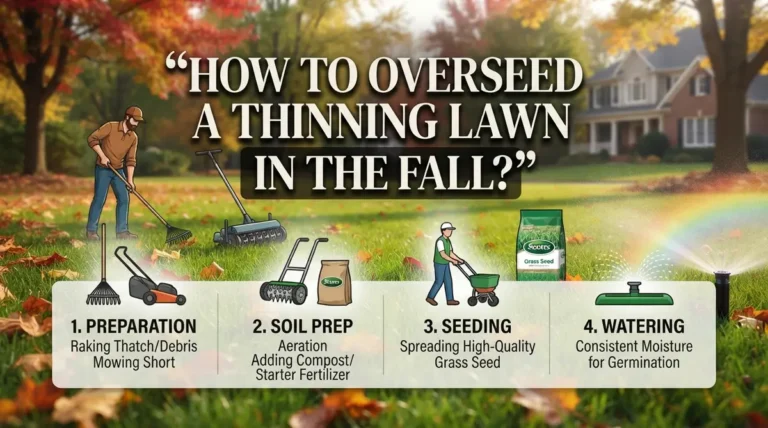
Next, focus on soil health through aeration. This process opens up your soil so air, water, and nutrients reach the root zone more easily. Aerate your lawn once or twice per year, ideally in spring or fall when temperatures are mild. After aeration, overseed any thin or bare spots to fill in gaps where grubs could cause visible damage.
Water your lawn wisely. Most lawns need about one inch of water per week from rain or irrigation. Water deeply but less frequently to encourage deep root growth. Avoid keeping your soil constantly wet, especially during July when adult beetles are most active.
Apply beneficial nematodes at the right time. These microscopic organisms naturally hunt and eat grub larvae in your soil. Apply them in late summer or early fall when grubs are actively feeding. Follow application instructions carefully since nematodes need moisture to survive and work effectively.
Control adult beetles before they lay eggs. Target adult beetles in early summer using appropriate methods. Stopping beetles before they reproduce prevents the entire grub cycle from starting.
Combine these steps into your regular lawn care routine. A healthy, well maintained lawn naturally resists grub damage far better than any single treatment alone.
Using Beneficial Nematodes and Natural Controls
Beneficial nematodes are microscopic worms that live in soil and hunt grubs. They seek out grub larvae and infect them, stopping the damage before it spreads. This method works because nematodes target only grubs and leave your lawn’s beneficial insects alone.
Timing matters when you apply nematodes. The best window is late summer or early fall when grubs are actively feeding in your soil. Soil temperature should stay between 55 and 85 degrees Fahrenheit for nematodes to survive and work effectively.
To use nematodes successfully, keep your lawn moist for two weeks after application. Nematodes need moisture to move through soil and find grubs. Water lightly every day rather than soaking deeply. Avoid using harsh chemical pesticides before or after nematode treatment, as these kill the beneficial worms too.
Natural controls work alongside nematodes for better results. Remove thatch buildup by raking your lawn vigorously. Thatch creates a protective layer where grubs hide. Aerate your soil to improve drainage and allow nematodes to penetrate deeper into the ground.
Encourage natural predators like birds and parasitic wasps. These creatures eat grubs and beetle adults without chemicals. Leave some areas of your lawn less manicured to attract these helpful animals.
Combine these methods into one integrated approach. Use nematodes as your main defense, then support them with proper lawn maintenance. Mow at the right height to strengthen grass roots. Water wisely to avoid creating the soggy conditions grubs love.
This combination of natural controls reduces grub populations year after year without relying on synthetic treatments alone.
Seasonal Maintenance Tips for Long-Term Prevention
Seasonal maintenance prevents grubs from taking hold in your lawn year after year. Consistency matters more than intensity when you’re building long term grub resistance.
Start in spring by raising your mower blade. Cut grass to 3 to 3.5 inches tall. Taller grass develops deeper root systems that resist grub feeding damage. This single change strengthens your lawn’s natural defenses without extra work.
During summer months, adjust your watering schedule. Keep your lawn dry during July when adult beetles are most active and laying eggs. Grubs thrive in moist soil, so reduce watering frequency during peak activity season. Resume normal watering in other months to maintain overall lawn health.
Fall is your critical prevention window. Apply beneficial nematodes in late August or early September when soil temperatures drop to 60 to 70 degrees. Keep the lawn moist for two weeks after application so nematodes can establish themselves and hunt developing grubs.
Aerate your lawn every fall or spring. This breaks up compacted soil and improves drainage. Compacted lawns hold excess moisture that attracts grubs. Aeration also creates space for nematodes to move through soil more effectively.
Overseed bare or thin spots immediately after aeration. A thick, healthy lawn crowds out grub damage and recovers faster if damage does occur. Dense turf also makes it harder for adult beetles to find soil for egg laying.
Monitor your lawn monthly for signs of stress or damage. Early detection lets you respond before populations explode. Combine these seasonal steps into your regular routine, and grub damage becomes rare rather than routine.
Common Mistakes That Let Grubs Take Over
Most homeowners accidentally create the perfect environment for grubs to thrive. Understanding these mistakes helps you protect your lawn before damage spreads.
Watering at the wrong time is one of the biggest errors. Many people water their lawns frequently and deeply during summer months. Grubs love moist soil because it makes their habitat ideal. Instead, keep your lawn drier during July and August when grubs are most active. Water deeply but less often to encourage deep root growth.
Skipping aeration leaves your soil compacted and weak. Compacted soil prevents grass roots from developing properly. Weak roots cannot resist grub damage. Aerate your lawn annually to loosen soil and improve drainage. This simple step strengthens your grass significantly.
Neglecting lawn maintenance overall weakens your grass defenses. Many homeowners ignore thatch buildup, skip mowing at proper heights, or leave bare patches unseeded. Each of these problems invites grub damage. Consistent maintenance keeps your lawn thick and healthy enough to resist pest pressure.
Applying treatments at the wrong time wastes money and effort. Treating grubs in fall does not work because larvae are already deep in the soil preparing to survive winter. Spring treatments also miss the window when grubs feed actively. Timing your intervention correctly makes all the difference.
Ignoring adult beetle control allows the entire cycle to repeat. If you do not target adult beetles before they lay eggs, you guarantee next year’s grub problem. This is the most preventable mistake.
The pattern is clear: healthy lawns resist grubs better than unhealthy ones. Focus on lawn strength first, then add targeted pest management as needed.
Troubleshooting: What to Do If Grubs Return
Grubs sometimes return even after you’ve treated your lawn. This happens because you may have missed part of the problem or conditions favored their return. Understanding why they come back helps you stop them for good.
Check your treatment timing first. Many homeowners treat grubs too late in the season when larvae are already deep in the soil. By fall and winter, grubs become harder to reach. If you treated in autumn and grubs returned, you likely applied control methods when they were dormant and less vulnerable.
Inspect your lawn for missed spots. Grubs don’t always spread evenly across your yard. Some areas may have escaped treatment because they were overlooked or because the product didn’t reach those zones properly. Walk your lawn and look for brown patches. These are your problem areas.
Evaluate your lawn’s overall health. Weak grass invites grub reinfestation. If your lawn still has thin spots or compacted soil, grubs will return. This is why maintenance matters so much. Aerate your soil, overseed bare areas, and keep your mower blade high.
Watch for adult beetles in summer. If you see Japanese beetles, June bugs, or other beetle species flying around your yard in June and July, they’re laying eggs. New grubs will hatch soon. Controlling these adults before they lay eggs stops the cycle before it starts again.
Plan for next year now. Mark your calendar for late summer applications of beneficial nematodes. Start lawn maintenance early in spring. Monitor your grass monthly for warning signs. Consistent action prevents grubs from returning season after season.
Final Thoughts
Grubs damage grass roots, but you now know how to fight back. Healthy lawns resist grubs far better than weak, stressed ones. This simple truth guides every step you take.
Start with the basics. Mow your grass high. Water deeply but not too often. These two habits alone build strong roots that grubs struggle to destroy.
Timing matters more than most people realize. Apply beneficial nematodes in late summer when grubs are small and vulnerable. Treating grubs in fall wastes your time and money.
Don’t forget the adult beetles. Controlling beetles before they lay eggs stops the problem before it starts. This step often gets overlooked, yet it makes a real difference.
Aeration and overseeding keep your lawn thick and resilient. Bare spots invite grubs back in, so fill them quickly. A dense lawn leaves grubs with nowhere to hide.
Watch your lawn throughout the year. Catching problems early always beats fixing damage later. Small signs, like brown patches or spongy soil, tell you something is wrong.
Combine these methods instead of relying on just one. Nematodes work best alongside proper mowing, watering, and aeration. No single trick solves everything on its own.
Grub control isn’t complicated once you understand the pattern. Feed your lawn what it needs, and it will defend itself naturally. Skip the guesswork and follow a simple seasonal routine.
Stay consistent, and your grass will stay green and strong all year. Grubs may return someday, but a healthy lawn always bounces back faster. That’s the real secret to lasting grub control.
Frequently Asked Questions
What time of year should I treat grubs?
Late summer is your best window. Apply beneficial nematodes in August or early September when grub larvae are small and close to the soil surface. At this stage, they’re most vulnerable to treatment. Treating in fall or winter doesn’t work well because grubs burrow deeper into the soil where treatments can’t reach them effectively.
Can I prevent grubs without using chemicals?
Yes. Healthy lawns naturally resist grubs better than weak ones. Mow your grass at a higher setting to encourage deeper root development. Keep your soil aerated so water and nutrients reach the roots easily. Overseed thin spots to create a thick lawn that grubs struggle to penetrate.
Beneficial nematodes are also a chemical free option. These microscopic worms hunt grub larvae in the soil and don’t harm your grass, pets, or people.
Why do grubs keep coming back?
You’re likely missing the adult beetles. Grubs return because adult beetles lay new eggs every year. If you only treat the grubs but ignore the beetles, the cycle repeats. Control adult beetles in summer by reducing conditions they prefer, like overly wet lawns in July.
How do I know if my lawn has grubs?
Look for irregular brown patches that pull up easily from the soil. Grubs eat grass roots, so affected areas feel spongy. You may also see increased animal activity like birds, raccoons, or moles digging in your yard. They’re hunting the grubs underneath.
Should I water my lawn during peak grub season?
Water less frequently in July and early August. Grubs thrive in consistently wet soil. Let your lawn dry out between waterings. This makes conditions less favorable for grubs while still keeping your grass healthy.

Hi, I’m Jane! As a passionate gardener and product enthusiast, I spend my days testing garden tools, comparing products, and writing honest reviews so you don’t have to learn the hard way. Got a question? Feel free to reach out — I’d love to hear from you!