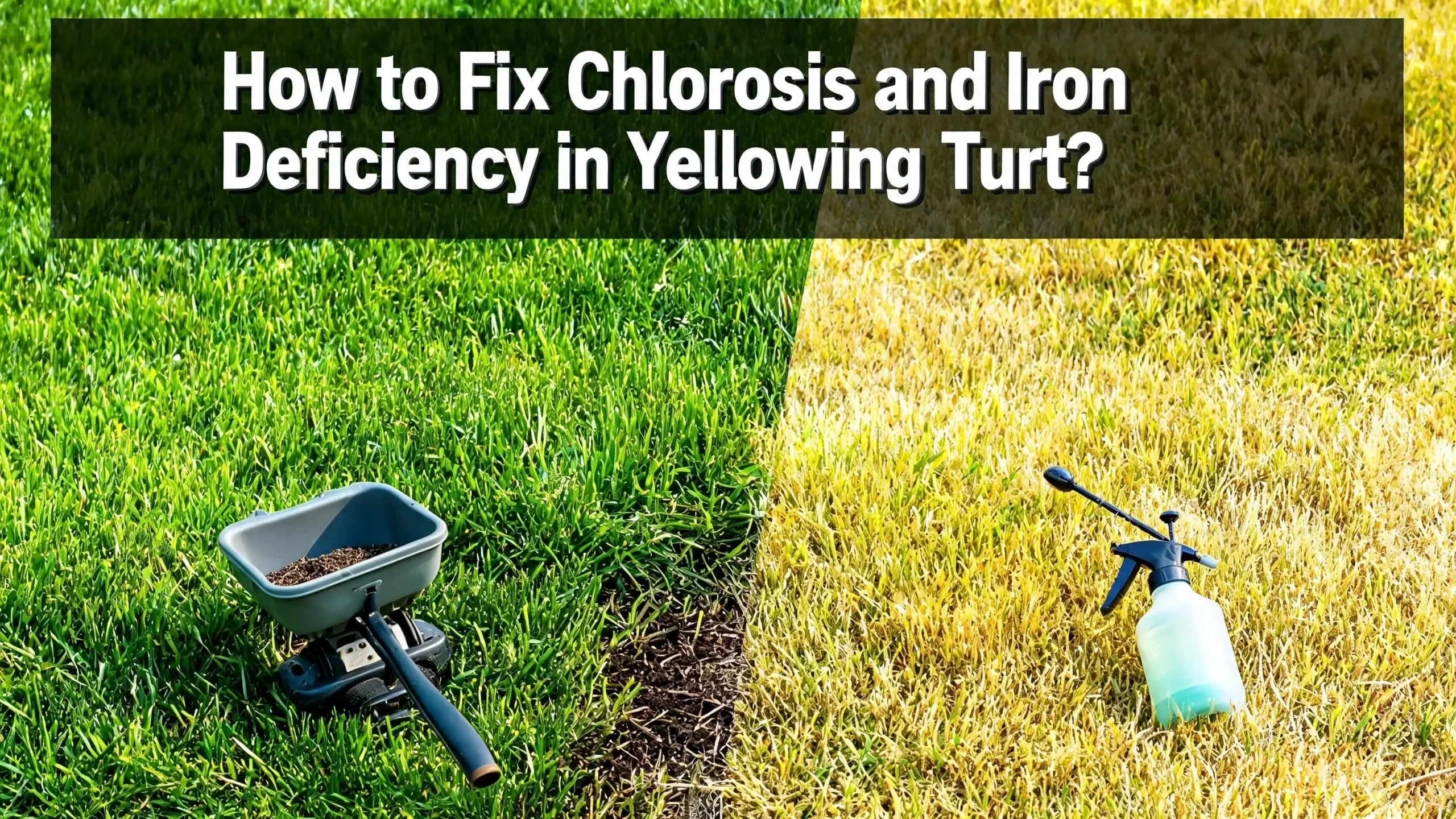
How to Fix Chlorosis and Iron Deficiency in Yellowing Turf?
Your lawn should be green, thick, and full of life. But instead, you see patches of yellow creeping across the turf. You might assume your grass needs more nitrogen, so you grab a bag of fertilizer and spread it across the yard. A week later, the yellow has gotten worse. Some blades are almost white. What happened?
The problem is likely iron chlorosis, a condition where your turf cannot produce enough chlorophyll because it lacks access to iron. Iron is essential for chlorophyll production, and chlorophyll is the pigment that gives grass its rich green color. Without it, your lawn fades to yellow, weakens, and can eventually die.
This is one of the most common and most misdiagnosed lawn problems homeowners face. The good news? You can fix it. This guide walks you through every step, from identifying the real cause to restoring your turf to deep, healthy green.
Key Takeaways
- Iron chlorosis causes yellowing in turf because the grass cannot produce chlorophyll without adequate iron. The yellowing appears first in the youngest, uppermost leaves and can progress to a pale white if left untreated. A soil test is the single most important step before you treat your lawn.
- High soil pH is the most common cause. Even if your soil contains iron, a pH above 7.0 can lock it away from your grass roots. Lowering the pH with sulfur amendments makes the existing iron available again.
- Do not apply nitrogen to iron deficient turf. Nitrogen fertilizer will not mask iron chlorosis. It actually makes the problem worse and can cause leaves to turn white or die. Always confirm the deficiency before treating.
- Foliar iron sprays provide a fast but temporary fix. Spraying chelated iron or ferrous sulfate directly on grass blades gives quick green up within days. However, the effect lasts only two to four weeks, so you must also address the root cause.
- Core aeration and proper watering habits help prevent iron chlorosis. Compacted soil and overwatering both reduce iron uptake. Aerating the lawn once a year and watering deeply but less often keeps roots healthy and able to absorb nutrients.
- Regular soil testing is your best defense. Test your soil at least once a year. Catching a rising pH or declining iron level early lets you correct the problem before your turf shows symptoms.
What Is Iron Chlorosis in Turf?
Iron chlorosis is a nutrient deficiency that prevents grass from making chlorophyll. Chlorophyll is the molecule that absorbs sunlight and powers photosynthesis. It also gives grass its green color. When iron is unavailable, chlorophyll production drops, and the grass turns yellow.
Iron is not part of the chlorophyll molecule itself, but it is one of the essential nutrients required for chlorophyll synthesis. According to research from Louisiana State University and Texas A&M University, turf cannot complete the chemical reactions needed to build chlorophyll without iron. The result is visible almost immediately in new growth.
The condition typically appears in spring and early summer when new leaves emerge. You will notice the youngest blades at the top of the plant turning pale green or yellow first. The older, lower leaves may still look dark green for a time. This top down pattern is a key identifier of iron chlorosis.
Many grass species are vulnerable. Kentucky bluegrass, St. Augustinegrass, Bermudagrass, tall fescue, ryegrass, centipedegrass, and creeping bentgrass can all develop the condition. Some cultivars within a species are more resistant than others. For example, the Floratam variety of St. Augustinegrass is much less likely to show symptoms than other St. Augustine cultivars.
What Causes Iron Deficiency in Your Lawn?
Iron chlorosis does not always mean your soil lacks iron. In many cases, the iron is present but unavailable. Understanding the cause tells you which treatment to use.
High soil pH is the leading cause. Iron becomes most available to plant roots at a soil pH around 6.0 to 6.5. Once the pH rises above 7.0, iron binds to other compounds in the soil and becomes insoluble. Your grass roots simply cannot absorb it. Alkaline soils, common in regions with limestone bedrock or hard water, frequently trigger this problem.
Soil compaction is another major factor. Compacted soil restricts root growth and limits the movement of water, oxygen, and nutrients. Even if iron is available, the roots cannot reach it in compacted ground. Clay soils are especially prone to this issue.
Overwatering creates cool, waterlogged conditions that slow root function. When roots are sitting in saturated soil, they struggle to absorb nutrients. Cool, wet weather in spring can temporarily trigger iron chlorosis symptoms even in otherwise healthy lawns.
Excessive phosphorus in the soil can also interfere with iron uptake. High phosphorus levels bind with iron and make it unavailable. This sometimes happens when homeowners apply too much general purpose fertilizer without checking their soil’s nutrient levels first.
How to Tell Iron Chlorosis Apart from Nitrogen Deficiency
Getting the diagnosis right matters enormously. Treating iron chlorosis with nitrogen fertilizer makes the problem worse, sometimes dramatically. Nitrogen pushes new growth that the plant cannot support without iron, and the result can be white leaves and tissue death.
The key difference lies in which leaves show symptoms first. Iron chlorosis affects the youngest, uppermost leaves first. You will see the tops of the grass canopy turning yellow or pale green while the lower, older blades stay darker. In many cases, the leaf veins remain a darker green while the tissue between veins turns yellow. This striped appearance is called interveinal chlorosis.
Nitrogen deficiency affects the oldest, lowest leaves first. The bottom of the canopy will show multiple shades of light green. The discoloration is uniform across the leaf, without the darker vein pattern. The lawn may also show reduced shoot density and constant seed head production.
If you are unsure, the safest approach is to run a soil test through your local cooperative extension or university soil testing lab. A professional soil test will measure pH, iron levels, nitrogen levels, and other nutrients. It will also provide specific amendment recommendations for your soil type and grass type. DIY test kits can measure pH, but they often lack the detail needed to make confident treatment decisions.
Step 1: Test Your Soil Before You Treat
A soil test is the foundation of every successful chlorosis treatment plan. Skipping this step turns lawn care into a guessing game, and wrong guesses can damage your turf further.
Contact your local cooperative extension office to learn about laboratory soil testing. Most university extension services offer affordable soil tests that provide detailed results. You will receive a report showing your soil’s pH, iron levels, nitrogen, phosphorus, potassium, and other micronutrient levels. The report usually includes specific recommendations for amendments.
Collect soil samples from several spots across your lawn. Take samples from both affected and unaffected areas. Use a clean soil probe or garden trowel to collect soil from the top six to eight inches. Mix the samples together in a clean bucket, then send the recommended amount to the lab.
Pay close attention to two numbers on your results: pH and iron concentration. If the pH is above 7.0 and iron levels are adequate, your problem is pH related. If iron levels are low regardless of pH, you need iron supplementation. If both are off, you need to address both issues.
The soil test removes uncertainty. It tells you exactly what your lawn needs and how much to apply per 1,000 square feet. This precision prevents over application, which can cause its own set of problems.
Step 2: Lower Soil pH with Sulfur Amendments
If your soil test reveals a pH above 7.0, lowering it is the most effective long term solution for iron chlorosis. Acidifying the soil makes the existing iron soluble and accessible to your grass roots again.
Elemental sulfur is the most common amendment used to lower soil pH. Soil bacteria convert elemental sulfur into sulfuric acid over time, which gradually brings the pH down. Kansas State University Extension recommends applying sulfur at a rate of 5 pounds per 1,000 square feet. Make applications in early spring and fall until enough sulfur has been added to reach your target pH.
This process takes time. Sulfur does not lower pH overnight. It can take several months to a full year before you see significant change, and the process may need to be repeated over multiple seasons. Test your soil every six months to monitor progress and avoid over acidifying.
Ferrous sulfate serves double duty. It adds iron to the soil and lowers pH at the same time. If your soil test shows both high pH and low iron, ferrous sulfate can address both problems in a single application. Follow the rates recommended on your soil test results.
For best results, apply sulfur amendments after core aerating the lawn. The aeration holes allow the sulfur to reach deeper into the soil profile where it can interact with the root zone more effectively. Water the area well after application to start the chemical process.
Step 3: Apply Iron to Green Up Your Lawn
While you work on the long term pH fix, iron applications provide a faster visual improvement. There are several forms of iron you can use, each with different strengths and durations.
Ferrous sulfate is affordable and widely available. Dissolve it in water and apply it as a foliar spray. The grass absorbs the iron directly through its leaf tissue, bypassing the soil entirely. You can see green up within 24 to 48 hours. However, ferrous sulfate is temporary. The effect lasts about two to four weeks before the lawn begins to yellow again.
Chelated iron lasts longer than ferrous sulfate. Chelation is a chemical process that keeps iron in a soluble form so it remains available to plants even in alkaline soil. Different chelates work best at different pH ranges, so check the product label to make sure it matches your soil’s pH. EDDHA chelates, for example, are effective in soils with a pH as high as 9.0.
Trace element fertilizers contain iron along with other micronutrients like zinc and manganese. If your soil test shows deficiencies in multiple trace elements, these products can correct several problems at once.
An important caution: iron products can stain concrete, pavers, and driveways when they get wet. Blow or sweep any granules or spray residue off hard surfaces before watering. Rust colored stains from iron are difficult to remove.
Step 4: Use Foliar Sprays for Quick Results
Foliar iron applications are the fastest way to restore green color to chlorotic turf. The iron enters through the leaf surface and is used almost immediately for chlorophyll production.
To apply a foliar spray, mix ferrous sulfate or chelated iron with water according to the product directions. Use a pump sprayer or hose end sprayer to coat the grass blades evenly. Apply on a calm day to avoid drift onto hardscapes. The best time to spray is in the early morning or late afternoon when temperatures are cooler and the sun is less intense.
Allow the solution to sit on the leaves for at least 24 hours before mowing or irrigating. This gives the grass time to absorb the iron through its leaf tissue. Mowing or watering too soon washes away the product and reduces its effectiveness.
Research from the University of Arizona recommends mixing a small amount of iron solution and testing it on a 15 by 15 foot patch of your lawn first. If the grass greens up within a few days, you can confirm iron deficiency and treat the entire lawn. This spot test approach prevents you from applying the wrong product to a large area.
Foliar sprays are excellent for quick green up before an event or during peak growing season. But remember that they are a temporary fix. The underlying cause, usually high pH or compacted soil, must be corrected for lasting results. Plan to reapply every two to four weeks if needed while long term amendments take effect.
Step 5: Aerate Your Lawn to Improve Nutrient Uptake
Soil compaction silently worsens iron chlorosis. When soil particles are pressed tightly together, roots cannot grow deep or spread wide. Water, oxygen, and nutrients, including iron, have trouble moving through the soil to reach those roots.
Core aeration is the best remedy for compacted soil. A core aerator removes small plugs of soil from the lawn, creating channels for air, water, and nutrients to penetrate the root zone. This directly improves your turf’s ability to absorb iron and other essential elements.
Timing matters. Aerate warm season grasses like Bermudagrass and St. Augustinegrass in summer during their peak growth period. Aerate cool season grasses like Kentucky bluegrass and tall fescue in early fall. Aerating during active growth lets the grass recover quickly and fill in the holes.
If you have heavy clay soil, aerate once a year. Sandy soil or loam that does not compact easily can be aerated once every two to three years. Lawns with heavy foot traffic, such as play areas or paths, benefit from annual aeration regardless of soil type.
Apply your sulfur and iron amendments immediately after aeration. The open holes give the products direct access to the root zone. Water the lawn thoroughly after application. This combination of aeration and amendment application is one of the most effective strategies for fixing and preventing iron chlorosis.
Step 6: Fix Your Watering Habits
Overwatering is one of the easiest mistakes to make, and it directly contributes to iron chlorosis. Cool, waterlogged soil slows root function and can temporarily shut down nutrient uptake entirely.
Most established lawns need only 1 to 1.5 inches of water per week. This is best delivered in two or three deep watering sessions rather than daily light sprinklings. Deep watering encourages roots to grow down into the soil profile where they can access more nutrients and moisture. Shallow, frequent watering creates a weak, shallow root system.
Water early in the morning, ideally between 4 a.m. and 10 a.m. This gives the grass time to absorb moisture before the heat of the day causes evaporation. It also allows the leaf surface to dry before nightfall, reducing the risk of fungal diseases.
If your lawn sits in a low area where water collects, consider improving drainage. You may need to regrade the area, install a French drain, or amend the soil with organic matter to improve its structure. Standing water around grass roots is a direct pathway to iron chlorosis and other nutrient uptake problems.
During rainy periods, turn off your irrigation system. Adding water on top of rainfall saturates the soil unnecessarily. Many modern irrigation controllers have rain sensors that do this automatically. If yours does not, monitor the weather forecast and adjust your schedule manually.
Which Grass Types Are Most at Risk?
Iron chlorosis can affect virtually any turfgrass, but some species and cultivars are more prone to it than others. Knowing your grass type helps you anticipate and prevent the problem.
Kentucky bluegrass is one of the most commonly affected species. It is widely planted across the northern United States, and many of its cultivars are sensitive to alkaline soil conditions. If you grow Kentucky bluegrass in an area with naturally high pH, monitor your soil closely and be prepared to apply sulfur amendments.
St. Augustinegrass is popular in the southern United States and Gulf Coast states. While the Floratam cultivar shows good resistance to iron chlorosis, other St. Augustine varieties are quite susceptible. Texas, Louisiana, and Arkansas homeowners should watch for both iron chlorosis and a related condition called St. Augustine Decline (SAD), which produces similar yellowing symptoms.
Bermudagrass varieties differ in their ability to absorb iron. Some cultivars perform well in alkaline soils, while others develop chlorosis quickly. If you are planting a new Bermudagrass lawn in a high pH area, select a cultivar known for iron efficiency.
Centipedegrass prefers acidic soil with a pH between 5.0 and 6.0. It is particularly sensitive to high pH conditions and develops iron chlorosis easily in alkaline or heavily limed soils. Avoid over liming centipedegrass lawns.
Tall fescue, ryegrass, and creeping bentgrass are also vulnerable, especially in compacted or alkaline soils. Golf course superintendents managing bentgrass greens often supplement with foliar iron as part of their routine maintenance program.
How to Prevent Iron Chlorosis from Returning
Fixing the immediate problem is important, but preventing iron chlorosis from returning saves you time, money, and frustration. A few consistent practices keep your turf green and healthy long term.
Test your soil at least once a year. Annual testing lets you catch pH increases or iron declines before they cause visible symptoms. A soil test in early spring gives you time to apply amendments before the growing season.
Avoid excessive use of lime. Lime raises soil pH, and applying too much can push your lawn into the alkaline range where iron becomes unavailable. Only apply lime if a soil test specifically recommends it, and use only the amount the test suggests.
Be careful with phosphorus. High phosphorus levels tie up iron in the soil. Many all purpose lawn fertilizers contain significant phosphorus. If your soil already has adequate phosphorus levels, choose a fertilizer with a low or zero middle number in the NPK ratio.
Maintain a regular aeration schedule. Annual aeration for clay soils and aeration every two to three years for sandy soils keeps the root zone open and functional. Healthy roots absorb iron more effectively.
Adjust watering practices as described earlier. Deep, infrequent watering promotes strong roots and reduces the wet, cool conditions that trigger chlorosis. Pay attention to drainage patterns and fix any areas where water pools.
How to Repair Turf Damaged by Severe Chlorosis
If iron chlorosis goes untreated for too long, the grass can die. Severely chlorotic turf turns white, then straw colored, and eventually the tissue breaks down completely. At that point, you need to repair the lawn after addressing the underlying cause.
Do not plant new grass until you have corrected the soil problem. If you lay sod or seed on soil that is still too alkaline or iron deficient, the new grass will develop the same symptoms. Apply your sulfur and iron amendments, allow time for the soil to improve, and retest before planting.
Overseeding works well for lawns with thin spots and partial damage. Spread seed over the affected areas after aerating and amending the soil. Keep the seedbed consistently moist until the new grass establishes. Choose a grass cultivar that has good resistance to iron chlorosis if possible.
Sodding is a faster option for large dead areas. Fresh sod gives you an instant green surface, but it must be laid on properly prepared soil. Amend and aerate the soil first, then lay the sod and water it deeply for the first two to three weeks.
Top dressing with compost or other organic matter can help improve soil structure and microbial activity. Healthy soil biology helps release bound nutrients, including iron, making them available to grass roots. Apply a thin layer of compost, about a quarter inch, across the lawn after aeration.
Common Mistakes to Avoid During Treatment
Several well intentioned actions can make iron chlorosis worse. Avoiding these mistakes will save you setbacks and speed up your lawn’s recovery.
Applying nitrogen to iron deficient turf is the most damaging mistake. Nitrogen stimulates growth that the plant cannot support without iron. The new leaves may emerge white or quickly die. Always confirm the type of deficiency before applying any fertilizer.
Skipping the soil test leads to misdiagnosis. Without data, you are guessing, and the wrong treatment wastes money and harms your lawn. A professional soil test costs relatively little and provides the information you need to treat effectively.
Over applying iron can burn your grass. More is not better. Follow the recommended rates from your soil test or product label. Iron burn appears as dark, scorched patches on the lawn and can take weeks to recover.
Ignoring soil compaction means your amendments cannot reach the roots. If you spread sulfur on compacted soil without aerating first, the product sits on the surface and works slowly, if at all. Always aerate before major amendment applications.
Expecting instant results from sulfur leads to frustration. Sulfur takes months to lower pH. Plan for a gradual correction over one to two years. Use foliar iron sprays to maintain green color in the meantime.
When to Call a Lawn Care Professional
Some iron chlorosis cases are straightforward, and a homeowner can handle them with a soil test, some sulfur, and a bottle of chelated iron. Other situations call for professional help.
Call a professional if your soil test results are confusing or show multiple deficiencies that you are unsure how to address. A lawn care specialist or turfgrass professional can interpret the results and create a treatment plan specific to your property.
If your lawn has severe chlorosis with large areas of dead grass, a professional can handle the soil correction, aeration, and reseeding or sodding more efficiently. They have access to commercial grade equipment and products that deliver better results at scale.
Properties with recurring chlorosis despite treatment may have an underlying issue that requires expert diagnosis. High water tables, irrigation water with high pH, or subsoil problems can all contribute to persistent iron chlorosis. A professional can identify these hidden factors and recommend solutions.
Golf course superintendents and sports turf managers routinely deal with iron management. The strategies they use, including regular foliar iron programs, precise pH management, and targeted aeration schedules, can be adapted for residential lawns by a knowledgeable lawn care provider.
Do not hesitate to seek help. A professional assessment early on can prevent months of trial and error and protect your investment in your lawn.
Frequently Asked Questions
How long does it take for iron to green up a chlorotic lawn?
Foliar iron sprays can produce visible green up within 24 to 48 hours. The grass absorbs the iron through its leaf tissue and uses it quickly for chlorophyll production. However, the effect is temporary and lasts about two to four weeks. Granular iron applications take longer to show results because the iron must dissolve and be absorbed through the root system. For lasting improvement, you must correct the underlying cause, whether that is high pH, compaction, or true iron deficiency in the soil.
Can I use vinegar to lower my soil pH instead of sulfur?
Vinegar is not an effective long term solution for lowering soil pH. It acidifies only the surface layer of soil and the effect disappears quickly. Repeated vinegar applications can harm soil biology and grass roots. Elemental sulfur is the recommended amendment because soil bacteria convert it into sulfuric acid gradually, producing a lasting pH reduction throughout the root zone. Always follow soil test recommendations for the correct amount of sulfur to apply.
Will iron chlorosis kill my grass if I do not treat it?
Yes, severe iron chlorosis can kill turfgrass. The progression starts with yellowing of the newest leaves, advances to a pale white color, and eventually leads to tissue death. The grass cannot photosynthesize without chlorophyll, so it loses energy and weakens over time. Catching the symptoms early and applying the correct treatment prevents permanent damage. If grass has already died, you will need to reseed or lay new sod after correcting the soil.
How often should I test my soil to prevent iron chlorosis?
Test your soil at least once a year, ideally in early spring before the growing season begins. Annual testing lets you detect rising pH levels or declining iron concentrations before visible symptoms appear. If you are actively treating a chlorosis problem, test every six months to monitor your progress and adjust your amendment rates accordingly.
Is iron chlorosis contagious or does it spread from one area to another?
Iron chlorosis is not a disease and it does not spread between plants. It is a nutritional disorder caused by soil conditions. However, the soil conditions that cause it, such as high pH or compaction, may exist across your entire lawn. This is why chlorosis can appear to spread as the underlying soil conditions worsen or as different areas of the lawn enter active growth at different times.

Hi, I’m Jane! As a passionate gardener and product enthusiast, I spend my days testing garden tools, comparing products, and writing honest reviews so you don’t have to learn the hard way. Got a question? Feel free to reach out — I’d love to hear from you!