
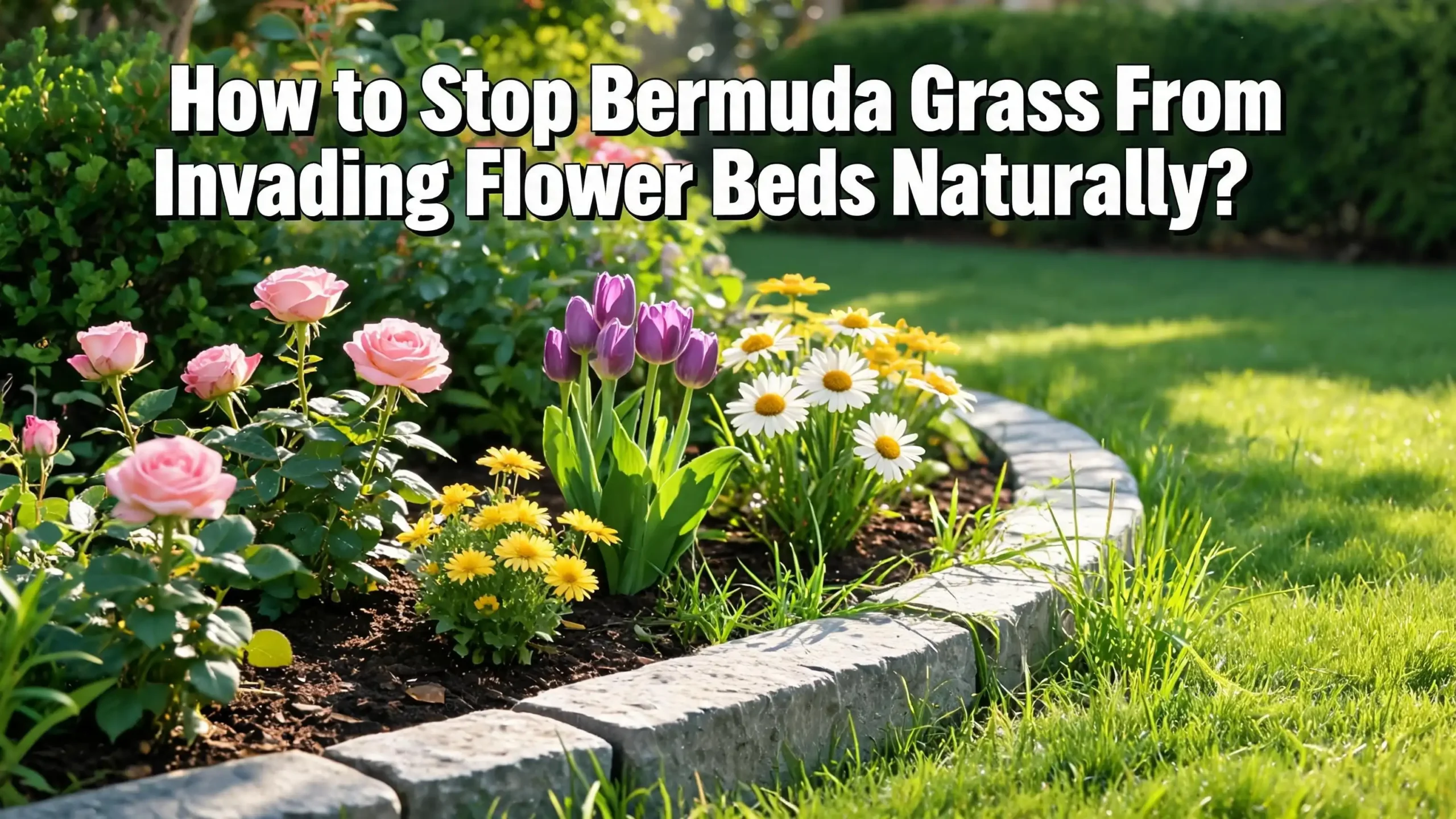
How to Stop Bermuda Grass From Invading Flower Beds Naturally?
Bermuda grass is one of the most aggressive grasses on the planet. It spreads through underground rhizomes, above ground stolons, and airborne seeds. Once it reaches your flower beds, it wraps around roots, climbs through shrubs, and takes over every inch of bare soil.
If you have tried pulling it out only to watch it return within days, you are not alone. Millions of gardeners in the southern and southwestern United States deal with this exact problem every growing season. The rhizomes of Bermuda grass can reach six inches deep or more, and a single missed runner can restart an entire invasion.
The good news? You do not need harsh synthetic chemicals to fight back. There are several natural, organic, and mechanical methods that work. This guide gives you clear, practical steps to reclaim your flower beds and keep them clean for the long term.
In a Nutshell
- Bermuda grass spreads three ways at once. It sends rhizomes underground, stolons across the surface, and seeds through the air. A single method rarely stops all three, so you need a layered approach for lasting results.
- Physical barriers must go at least six inches deep. Bermuda grass rhizomes grow roughly six inches below the surface. Metal or plastic edging buried to that depth with four inches above the soil line creates a reliable first line of defense.
- Sheet mulching with cardboard is one of the most effective organic methods. Two layers of flattened cardboard covered with three inches of mulch block sunlight and suffocate the grass over four to six months. This method adds organic matter to your soil as the cardboard breaks down.
- Solarization works best during peak summer heat. Clear plastic sheeting placed over moist soil for six to eight weeks during June through August raises soil temperatures high enough to exhaust Bermuda grass energy reserves. Black plastic occultation is a good alternative.
- Hand removal works for small invasions but requires thoroughness. You must dig at least 12 inches deep and remove every piece of rhizome. Watering the area first softens the soil and makes extraction easier. Never leave pulled Bermuda grass in your garden or compost pile.
- Consistency is the real secret. Bermuda grass stores enormous energy in its root system. No single treatment kills it permanently. Regular monitoring, prompt action on new growth, and seasonal maintenance are what separate success from frustration.
Why Bermuda Grass Is So Hard to Control
Bermuda grass (Cynodon dactylon) earned the nickname “devil’s grass” for a reason. It has an extraordinary ability to survive abuse and bounce back quickly. Understanding why it is so persistent helps you choose the right control methods.
The root system of Bermuda grass functions like a savings account for the plant. While the grass has green leaves above ground, it photosynthesizes and stores energy in its roots and rhizomes. If you cut or remove the top growth, the plant draws on those stored reserves to regrow. A healthy Bermuda grass plant can rebuild its above ground growth multiple times before its reserves run out.
Bermuda grass also has excellent heat and drought resistance. It thrives in the same summer conditions that stress many garden plants. Its stolons can grow several feet per month during peak season, crawling across bare soil, pavement, and even gravel to reach new territory.
The rhizomes travel underground and can emerge on the other side of edging, sidewalks, and shallow barriers. Seeds remain viable in the soil for up to two years, ready to germinate the moment conditions are right. This triple attack of rhizomes, stolons, and seeds makes Bermuda grass one of the most challenging weeds any flower gardener will face.
How Bermuda Grass Invades Your Flower Beds
Bermuda grass does not just creep slowly into your beds. It launches a coordinated assault from multiple directions. Knowing each invasion route helps you build a defense plan that covers all the gaps.
Stolons (above ground runners) are the most visible invaders. These horizontal stems grow across the soil surface and can leap across driveways and sidewalks. A single stolon can extend three feet or more in a single month during summer. Once a stolon touches bare soil in your flower bed, it immediately sends down roots and begins colonizing.
Rhizomes (underground stems) are the sneaky attackers. They tunnel beneath edging, borders, and even concrete that is not deep enough. Most Bermuda grass rhizomes grow within the top six inches of soil, but some can push deeper depending on soil conditions. These underground runners often go unnoticed until new grass blades pop up inside your flower bed.
Seeds are the wild card. Bermuda grass produces small seeds that disperse by wind, water, and foot traffic. They land in your flower beds and germinate in disturbed or bare soil. Even if you eliminate every runner and rhizome, seeds in the soil can start a fresh invasion. This is why mulching and preventing bare soil exposure are so important.
Install Deep Physical Barriers Around Flower Beds
A deep physical barrier is your most reliable first line of defense against Bermuda grass rhizomes. Standard landscape edging that sits only two or three inches deep will not stop this grass. You need edging that reaches at least six inches below the soil surface.
Choose metal or heavy plastic edging that is 10 inches tall in total. Bury six inches underground and leave four inches above the soil line. The above ground portion blocks stolons from crawling over the top. The buried portion intercepts rhizomes before they reach your flower bed.
To install the barrier, dig a narrow trench around the perimeter of your flower bed. Place the edging vertically in the trench and pack soil firmly against both sides. Make sure all seams and joints overlap tightly because Bermuda grass runners will find even small gaps.
Check your barriers every spring. Winter freeze and thaw cycles can push edging upward or create gaps. Walk the entire perimeter and reseat or replace any sections that have shifted. A barrier that worked perfectly last year can fail this year if it has moved even two inches. Some gardeners reinforce their edging by pouring a narrow concrete footer along the outside edge for extra protection.
Create a Buffer Zone Between Lawn and Beds
A buffer zone is a strip of bare ground between your Bermuda grass lawn and your flower beds. It acts as an early warning system. Because nothing grows in this strip, any Bermuda grass runner that crosses into it becomes immediately visible.
Make your buffer zone 12 to 18 inches wide. Keep it free of mulch, plants, and organic debris. Some gardeners fill their buffer zone with gravel or decomposed granite, which creates an inhospitable surface for stolons. Others simply maintain bare compacted soil.
Inspect your buffer zone weekly during summer. This is the peak growing season for Bermuda grass, and stolons can cross even an 18 inch gap within a few weeks if left unchecked. Pull any runners you see immediately, and trace them back to the lawn edge to remove as much length as possible.
The buffer zone also gives you a safe area to apply spot treatments if needed. You can use a natural vinegar solution or boiling water in the buffer without worrying about damaging your flowers. Think of the buffer zone as your early detection perimeter. It does not stop Bermuda grass on its own, but it makes every other method more effective by giving you time to respond before the grass reaches your plants.
Use Sheet Mulching With Cardboard
Sheet mulching is one of the most effective organic methods for suppressing Bermuda grass in flower beds. Research from Oklahoma State University’s demonstration trials found that cardboard combined with mulch provided meaningful suppression of Bermuda grass growth over time.
Here is the step by step process. First, mow or trim the Bermuda grass as close to the ground as possible. Remove all clippings, stolons, and visible rhizomes from the area. Next, spread a half inch layer of compost over the ground to stimulate beneficial soil biology.
Flatten large cardboard boxes and lay them in two layers over the entire area. Overlap all edges by at least six inches so there are no gaps for grass to push through. Secure the cardboard with landscape staples to keep it flat against the ground. Then thoroughly wet the cardboard all the way through. This is important because dry cardboard can shift and leave openings.
Cover the wet cardboard with three to four inches of wood chip mulch. Do not cut holes in the cardboard for planting. Any opening gives Bermuda grass an entry point. Instead, wait four to six months for the grass to die and the cardboard to decompose before planting.
Monitor the area regularly. If Bermuda grass sprouts on top of the mulch, pull it immediately. The grass can reestablish itself on the mulch surface if you allow it to root. Never add Bermuda grass debris to your compost pile because it will survive and spread.
Solarize the Soil With Clear Plastic
Solarization uses the sun’s heat to cook Bermuda grass and deplete its energy reserves. This method works best during the hottest months of the year, from June through August. Clear plastic traps solar radiation against the soil surface, raising temperatures to 108 to 140 degrees Fahrenheit in the upper soil layers.
Start by mowing or trimming the grass as low as possible. Water the soil deeply because moist soil conducts heat much better than dry soil. Lay a sheet of clear UV resistant plastic (6 mil thickness) over the area. Extend the plastic at least two feet beyond the edges of the Bermuda grass patch to catch runners that might extend past the visible growth.
Seal all edges completely by burying them under several inches of soil. Any gaps allow heat to escape and dramatically reduce the treatment’s effectiveness. Leave the plastic in place for six to eight weeks without disturbing it.
Research from university extension programs shows that solarization suppresses Bermuda grass significantly but may not eliminate it entirely. Some deep rhizomes can survive the heat. For best results, combine solarization with follow up hand removal or cardboard mulching. Also be aware that wind and pets can puncture the plastic, creating holes that reduce effectiveness. Check the plastic weekly and patch any tears with tape immediately.
Try Black Plastic Occultation
Occultation uses opaque black plastic to block all sunlight from reaching Bermuda grass. Without light, the grass cannot photosynthesize. The warmth and moisture trapped underneath actually encourage weed seeds to germinate into darkness where they quickly die. Over time, this depletes both the living grass and the seed bank.
The process is similar to solarization. Mow the grass short, water the soil thoroughly, and lay 6 mil black polyethylene over the entire area. Secure the edges by burying them under soil or weighing them down with bricks and pavers.
Leave the black plastic in place for four to eight weeks during summer. The Oklahoma State research found that substantial reduction of Bermuda grass occurred under black plastic, although some blanched rhizomes remained viable underneath. This means you should plan for follow up treatment after removing the plastic.
Occultation has a key advantage over solarization. It works in a slightly wider range of temperatures because it does not rely entirely on extreme heat. It blocks light completely, which is the primary mechanism for depleting the grass. However, black plastic does absorb heat and can damage nearby plants if placed too close. Keep the plastic at least 12 inches away from any desirable plants in your flower bed, or temporarily relocate plants to a holding area during treatment.
Apply Thick Natural Mulch Strategically
Mulch alone will not stop established Bermuda grass. Research confirms that a standard four inch layer of bark mulch over bare soil is not enough to suppress this aggressive grass. Bermuda grass grows right through thin mulch layers and can even root into the mulch itself.
However, mulch plays a critical supporting role in your overall strategy. After you have killed or removed Bermuda grass using other methods, a thick mulch layer prevents new seeds from germinating in bare soil. It also slows down any remaining stolons by creating an unstable surface for rooting.
For the best results, apply four to six inches of coarse wood chip mulch over areas that have already been treated with cardboard, solarization, or hand removal. Coarse chips work better than fine shredded mulch because they create more air pockets and are harder for runners to penetrate.
Replenish your mulch twice a year, in spring and fall. Summer heat and decomposition reduce the depth over time, and a thin mulch layer loses its suppressive power. Always inspect under the mulch for emerging Bermuda grass shoots, especially along the edges closest to your lawn. If you spot new growth, pull it immediately and trace the runner back to its source. Never allow Bermuda grass to establish on top of your mulch, or it will quickly spread across the entire bed surface.
Remove Bermuda Grass by Hand the Right Way
Hand removal is the most labor intensive but also the most precise method for eliminating Bermuda grass from flower beds. It works best for small invasions or for cleaning up after other treatments have weakened the grass.
Timing matters. Pull Bermuda grass after a soaking rain or thorough watering when the soil is soft. Dry soil grips the rhizomes tightly and causes them to break off, leaving fragments behind that will regrow. Use a garden fork or potato fork rather than a shovel. The fork loosens soil around the roots without cutting rhizomes into pieces.
Dig at least 12 inches deep to reach the full extent of the rhizome network. Pull slowly and steadily, following each runner as far as it goes. Some gardeners sift the loosened soil through a screen to catch small rhizome fragments that are easy to miss.
Never rototill an area infested with Bermuda grass. Tilling chops rhizomes into hundreds of small pieces, and every single piece can grow into a new plant. This turns a manageable problem into an explosion of new growth.
After removal, bag all Bermuda grass material and dispose of it in the trash. Do not add it to your compost pile. Do not leave it on the ground in your garden. Even small dried pieces can reroot if they contact moist soil. Follow up your hand removal by covering the cleaned area with cardboard and mulch to prevent regrowth from any fragments you may have missed.
Use a Natural Vinegar Solution for Spot Treatment
A homemade vinegar solution can burn back visible Bermuda grass growth in your flower beds. Mix one gallon of white vinegar (at least 10% acetic acid), one cup of table salt, and one tablespoon of liquid dish soap. The vinegar and salt desiccate the leaf tissue, and the soap helps the mixture stick to the grass blades.
Spray this solution directly on the Bermuda grass foliage on a hot, sunny day for maximum effect. The heat accelerates the drying process. You should see the grass turn brown within 24 to 48 hours.
However, be aware of an important limitation. Vinegar only kills the above ground growth. It does not reach the roots or rhizomes. University research consistently confirms that vinegar based solutions provide only temporary suppression of Bermuda grass. The grass will regrow from its underground reserves within days or weeks.
Use vinegar as a spot treatment tool, not a standalone solution. It is useful for burning back growth in your buffer zone, knocking down runners before hand pulling, or treating small patches between more thorough removal efforts. Be careful near your flowers because this solution is non selective and will damage any plant tissue it contacts. Spray on calm days to prevent drift, and use a shield or targeted sprayer to protect nearby ornamentals. Salt can also build up in soil over time and harm plants, so avoid repeated heavy applications in the same spot.
Use Boiling Water to Kill Surface Growth
Boiling water is one of the simplest and most immediate natural treatments for Bermuda grass. Pouring boiling water directly onto Bermuda grass scalds the cell walls and kills the above ground tissue on contact. No chemicals, no mixing, and no waiting.
This method works best for small patches and edges where Bermuda grass is creeping into your flower beds. Boil a large pot or kettle of water and pour it slowly and directly onto the grass. Focus on the crown area where the stems meet the soil surface. One application will kill visible growth, but you will need to repeat the treatment every few days as the grass regrows from its rhizomes.
Boiling water has the same core limitation as vinegar. It does not penetrate deep enough to kill the root system. The heat dissipates quickly as it moves through the soil, leaving rhizomes untouched. Think of boiling water as a way to weaken the grass between more thorough treatments rather than a permanent solution.
The advantage of boiling water over vinegar is that it leaves no chemical residue in the soil. There is no risk of salt buildup or pH changes. It is completely safe to use near edible plants in vegetable garden beds adjacent to your flowers. Just be careful not to splash boiling water on your desirable plants, as it will damage them just as readily as it damages the Bermuda grass.
Plant Dense Ground Covers as Living Barriers
While no ornamental plant can truly outcompete established Bermuda grass, dense ground covers can make invasion more difficult and help you detect new growth faster. The idea is to eliminate bare soil, which is where Bermuda grass establishes most easily.
Choose aggressive, low growing ground covers appropriate for your climate zone. Plants like creeping thyme, sweet potato vine, or periwinkle form thick mats that shade the soil and make it harder for Bermuda grass stolons to root. In shaded areas, options like mondo grass or liriope create dense coverage that competes for space and resources.
Dense plantings work best as a complement to physical barriers and mulching. They are not a replacement. Bermuda grass rhizomes can grow underneath and around the root systems of almost any ornamental plant. However, a thickly planted flower bed with good mulch coverage gives Bermuda grass far fewer opportunities to establish compared to a bed with large patches of bare soil.
When you plant densely, you also spot invaders more easily. A bright green Bermuda grass shoot stands out against dark mulch or a uniform ground cover planting. You can pull it before it spreads rather than discovering an established network of runners weeks later. Choose ground covers that stay low enough to not interfere with your featured flowers but thick enough to shade the soil surface completely.
Maintain a Seasonal Control Schedule
Bermuda grass control is not a one time project. It requires ongoing seasonal attention. The grass stores energy in its rhizomes year round, and even a dormant winter lawn can launch a vigorous invasion the moment spring temperatures rise.
In spring (March and April), inspect all physical barriers for gaps or heaving caused by winter weather. Replace any damaged sections of edging. Apply a fresh layer of mulch to all flower beds, bringing the depth back to at least four inches. This is also the time to check for early Bermuda grass seedlings sprouting from last year’s seeds.
In summer (May through August), monitor your buffer zones and bed edges weekly. This is peak growth season, and Bermuda grass is at its most aggressive. Hand pull or spot treat any runners that breach your defenses. If a bed is heavily infested, summer is the best time for solarization or occultation treatments.
In fall (September and October), mow your lawn edges low to reduce seed production before the grass goes dormant. Replenish mulch that has decomposed during the summer heat. Remove any Bermuda grass debris from your beds and dispose of it in the trash.
In winter (November through February), Bermuda grass goes dormant in most regions, but the rhizomes are still alive underground. Use this quiet period to repair, deepen, or install new barriers before spring growth resumes. Planning your defense during winter gives you a head start when the grass wakes up.
Avoid Common Mistakes That Help Bermuda Grass Spread
Several well intentioned gardening practices actually help Bermuda grass invade your flower beds faster. Avoiding these mistakes saves you significant time and frustration.
Do not rototill infested areas. Tilling chops Bermuda grass rhizomes into small pieces, and each piece can sprout into a new plant. What was one patch of Bermuda grass becomes dozens of new plants spread across your entire bed. If you need to loosen soil, use a garden fork and carefully remove all rhizome fragments by hand.
Do not compost Bermuda grass. Home compost piles rarely reach temperatures high enough to kill Bermuda grass rhizomes and seeds. Adding this grass to your compost means you will spread it everywhere you use that compost. Always bag Bermuda grass waste and send it to the landfill.
Do not import contaminated soil or plant material. Bermuda grass rhizomes hide in potted plants, bulk soil deliveries, and shared plant divisions. Inspect every plant you bring into your garden for signs of Bermuda grass mixed into the root ball. It takes only one small piece to start a full invasion.
Do not rely on thin mulch alone. A two inch layer of mulch will not stop Bermuda grass. You need at least four inches of coarse wood chips, ideally over a cardboard or cellulose barrier. And even thick mulch requires regular monitoring because Bermuda grass can root into decomposing mulch if left unchecked. Combine multiple methods for the strongest defense.
Frequently Asked Questions
Will vinegar permanently kill Bermuda grass in flower beds?
No. Vinegar burns the above ground foliage but does not reach the root system or rhizomes. Bermuda grass will regrow from its underground energy reserves within days or weeks. Vinegar works as a temporary spot treatment to knock back visible growth between more thorough removal methods like hand digging or sheet mulching. For best results, use vinegar with at least 10% acetic acid concentration and apply on hot, sunny days.
How deep do Bermuda grass roots grow?
Most Bermuda grass rhizomes grow within the top six inches of soil, but the root system can extend 12 inches or deeper in loose, sandy soils. This is why physical barriers must be buried at least six inches deep to intercept underground runners. When hand removing Bermuda grass, dig at least 12 inches to capture the full root network and reduce the chance of regrowth.
Can I use landscape fabric to stop Bermuda grass?
Landscape fabric slows Bermuda grass but does not stop it completely. The grass can push through seams and gaps in the fabric. Weed seeds also blow onto the surface and root into the fabric from above. Cardboard covered with mulch performs better for Bermuda grass suppression because it blocks light more completely and adds organic matter to the soil as it decomposes.
How long does solarization take to kill Bermuda grass?
Solarization typically requires six to eight weeks of continuous coverage during the hottest months of the year (June through August). Clear 6 mil plastic works best because it traps solar heat against the soil surface. Soil temperatures must consistently reach 108 to 140 degrees Fahrenheit to exhaust the grass. Solarization suppresses Bermuda grass significantly but may not kill all deep rhizomes, so follow up treatment is usually necessary.
What is the fastest natural way to get rid of Bermuda grass in flower beds?
The fastest natural approach combines hand removal with sheet mulching. Dig out as much Bermuda grass as possible, removing all visible rhizomes and stolons. Then immediately cover the area with two layers of cardboard and four inches of mulch. This combination removes the bulk of the grass while the cardboard suffocates any remaining fragments. Monitor weekly and pull any regrowth promptly. Expect the process to take several months for complete suppression.
Does Bermuda grass spread through seeds?
Yes. Bermuda grass produces seeds that spread by wind, water, and foot traffic. These seeds can remain viable in the soil for up to two years. Even if you remove all runners and rhizomes from your flower bed, windblown seeds from your lawn can germinate in bare soil and start a new invasion. Maintaining a thick mulch layer prevents seed germination by blocking sunlight from reaching the soil surface.

Hi, I’m Jane! As a passionate gardener and product enthusiast, I spend my days testing garden tools, comparing products, and writing honest reviews so you don’t have to learn the hard way. Got a question? Feel free to reach out — I’d love to hear from you!