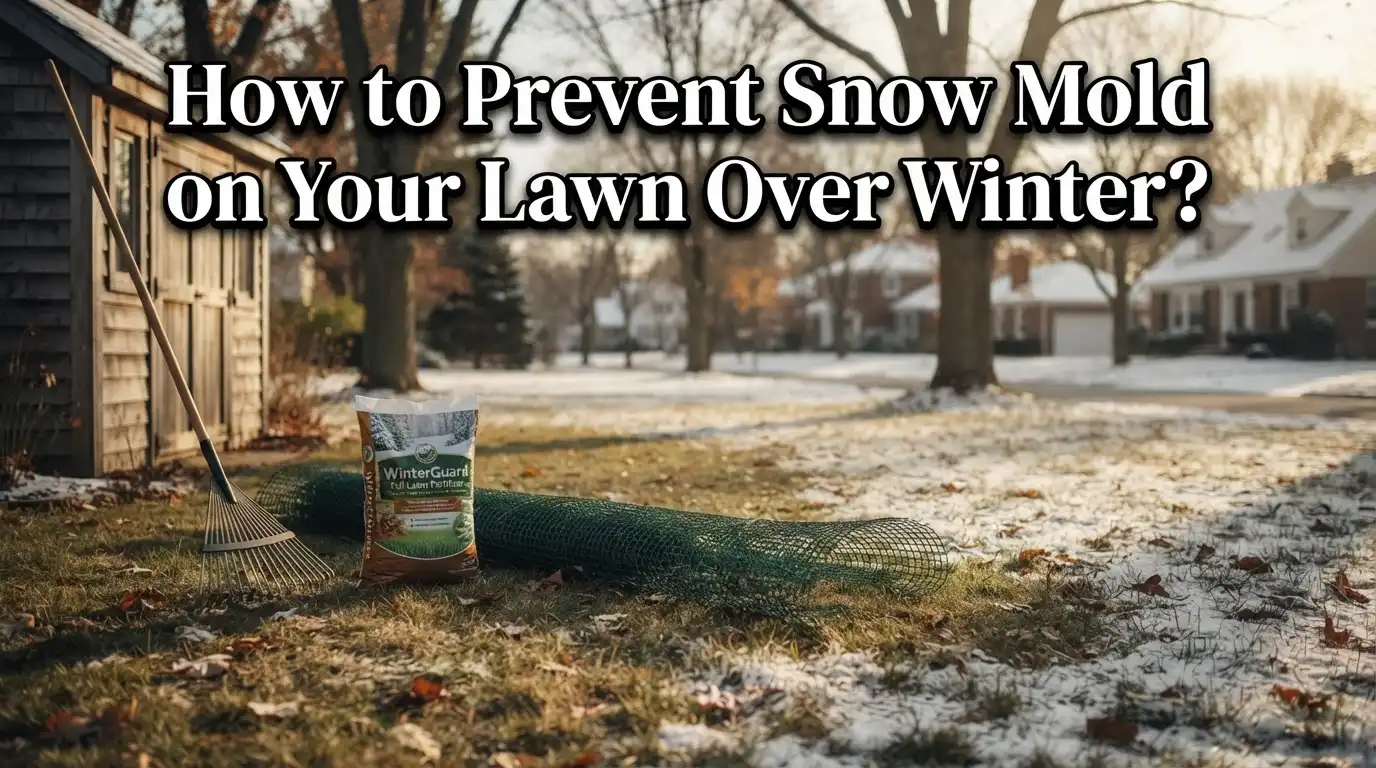
How to Prevent Snow Mold on Your Lawn Over Winter?
Winter snow can hide a sneaky problem under its white blanket. Snow mold often appears on lawns once the snow melts in spring. It leaves behind patchy, discolored grass that looks far from healthy.
The good news? You can stop snow mold before it starts. This fungal issue thrives in cool, wet conditions where moisture gets trapped. Long grass, piles of leaves, and poor drainage all create the perfect setup for mold growth.
Snow mold usually looks worse than it actually is. Gray snow mold, the most common type, rarely causes lasting damage. Still, nobody wants an unsightly lawn come springtime.
This guide walks you through simple, effective steps to protect your grass all winter long. You will learn the right way to mow before the first snowfall. We will also cover raking, drainage fixes, and smart fall lawn care habits.
In a Nutshell
- Mow shorter before winter. Cut your grass about 1 to 1.5 inches shorter than usual before the first snow falls.
- Clear all leaves and debris. Piles trap moisture and create the perfect home for mold. Mulch leaves into the lawn instead of leaving them in heaps.
- Fix drainage problems early. Standing water invites mold, so make sure your yard drains well before winter arrives.
- Skip late fall fertilizer and potassium. These can feed mold instead of your grass.
- Rake and aerate after snow melts. This helps flattened grass bounce back and improves air flow.
- Consider a fungicide application. It is optional, but it adds an extra layer of protection.
What Is Snow Mold and What Causes It?
Snow mold is a fungal disease that grows on grass during winter. It appears as circular patches of white, gray, or pink discoloration on your lawn, usually visible when snow melts in spring.
What causes snow mold to develop? The fungus thrives in specific conditions that winter creates. Long grass blades trap moisture and create a damp environment. Thick layers of leaves and debris block airflow and hold water against the soil. When temperatures stay cold but not freezing, and moisture stays high, the fungus spreads rapidly.
Snow mold actually grows under the snow blanket, not because of cold itself. The fungus becomes active when conditions are wet and cool. It feeds on dead plant material and weakened grass blades. By the time you see it in spring, the damage has already happened beneath the snow.
There are two main types of snow mold. Gray snow mold is the most common and usually harmless to your lawn’s long term health. Pink snow mold is less common but can cause more serious damage to grass roots and crowns.
Why does trapped moisture matter so much? Moisture is the key ingredient the fungus needs to grow. Wet leaves pack down and create a greenhouse effect. Standing water in low spots feeds the mold continuously. Poor drainage means water sits on your lawn all winter instead of draining away.
The fungus also loves thick thatch layers and dense grass. When your lawn is overly thick and matted down, air cannot circulate. This creates the perfect dark, damp environment for mold to flourish.
Understanding these conditions helps you see why prevention works. You are essentially removing the things mold loves: moisture, debris, dense grass, and poor drainage. When you eliminate these factors before winter arrives, snow mold loses its ability to take hold.
Fall Lawn Prep: Mowing Height and Timing
Your lawn’s final mow before winter is one of the most important steps you can take. This single action removes the conditions snow mold loves most.
Cut your grass 1 to 1.5 inches shorter than your normal summer height. This matters because short grass dries faster and allows air to circulate better underneath. Mold thrives in dense, wet vegetation, so shorter turf gives the fungus fewer places to hide and grow.
Timing is just as critical as height. Mow your lawn after the last major growth flush but before the first hard freeze. In most regions, this means late fall, roughly 4 to 6 weeks before your first snow. You want the grass to be dormant but not already stressed by extreme cold.
Here is what happens if you skip this step or cut too short. Grass cut extremely short becomes stressed and weakened, which actually makes it more vulnerable to mold damage. You are looking for a sweet spot, not a scalping. Think of it as giving your lawn a trim, not a buzz cut.
Avoid mowing when the grass is wet or frozen. Wet blades clog your mower and create uneven cuts. Frozen grass shatters and tears instead of cutting cleanly, leaving damaged tissue where mold can enter.
After you mow, collect the clippings if they are long or matted. Short clippings can stay on the lawn and decompose naturally. However, if you see thick piles of grass debris, rake them up. These piles trap moisture just like leaves do.
The final mow is your foundation for winter protection. Done right, it reduces mold risk dramatically and sets your lawn up for healthy spring growth. This one action, combined with leaf removal and drainage fixes, stops most snow mold problems before they start.
Clearing Leaves and Debris to Reduce Risk
Leaves and debris create the exact environment snow mold loves. When organic matter sits on your lawn, it traps moisture underneath. This moisture stays trapped even after snow arrives, giving the fungus everything it needs to thrive.
Start by raking your lawn thoroughly before the first frost. Remove all fallen leaves, twigs, and plant material from the grass surface. Don’t just push debris to the edges of your yard. Move it completely off your lawn or to a designated compost area.
Thick leaf mats are especially problematic. They act like a blanket that holds water against the soil. Snow mold grows rapidly under these conditions. Even a thin layer of packed leaves can create problems if moisture gets trapped underneath.
Consider mulching leaves into your lawn with your mower instead of leaving piles. A mower with a mulching setting breaks leaves into small pieces. These tiny fragments decompose faster and don’t trap as much moisture. This method also returns nutrients to your soil naturally.
Pay attention to corners and low spots where leaves tend to accumulate. Wind often pushes debris into these areas. Check along fence lines, under trees, and near garden beds. These zones need extra attention because water pools there anyway.
If you have heavy leaf cover, you may need to rake multiple times through fall. Don’t wait until all leaves have dropped. Remove them in stages as they accumulate. This prevents a massive cleanup job and keeps your lawn exposed longer.
Removing debris also improves air circulation around grass blades. Better airflow means faster drying after rain or snow melt. Dry conditions make it harder for fungal spores to establish themselves. This simple step reduces mold risk significantly without any special treatments or equipment needed.
Improving Drainage and Managing Moisture
Water sitting on your lawn is snow mold’s best friend. When moisture pools in low areas, the fungus gets everything it needs to grow. You need to fix drainage problems before winter arrives.
Start by walking your yard after rain. Notice where water collects and stays. These spots are drainage trouble zones. Puddles that sit for hours create perfect conditions for mold growth under snow.
Compacted soil is a common drainage culprit. Heavy foot traffic and equipment use pack soil tight. Water cannot move through compacted ground. Consider aerating your lawn in fall to open up the soil. Aeration creates tiny holes that let water drain down instead of pooling on the surface.
Thatch buildup also traps moisture near grass blades. Thatch is dead grass and organic material that sits between living grass and soil. When thatch gets thick, water sits on top instead of draining through. If your lawn feels spongy or water beads up on the surface, you likely have thatch problems. Dethatching removes this layer and improves drainage immediately.
Grade and slope matter too. If your yard is flat or slopes toward your house, water naturally collects there. You may need to add soil to create gentle slopes away from low areas. Even a slight angle helps water move away from your grass.
Clean gutters and downspouts before winter. Clogged gutters dump water into concentrated areas of your yard. Direct downspout water away from lawn areas prone to pooling.
Remove fallen branches and debris from drainage areas. Sticks and leaves block water flow and trap moisture. Clear pathways let water move freely across your lawn.
Better drainage means less standing water. Less standing water means less mold growth. These simple steps protect your grass all winter long.
Fungicide Application: When and How It Helps
Fungicides offer real protection against snow mold when applied at the right time. The key is timing because you need the product on your grass before snow arrives and moisture locks in the fungus.
Apply fungicide in late fall, typically 2 to 4 weeks before your area’s first expected snow. This window gives the treatment time to settle into the grass and soil. If snow arrives suddenly without warning, you’ve already missed the best application window, so check your local weather forecast closely.
Choose a dry day for application. Wet grass prevents the fungicide from coating the blades properly. Avoid applying if rain is predicted within 24 hours, as it will wash away the treatment before it bonds to the grass.
Coverage matters more than heavy application. Spray or spread the fungicide evenly across your entire lawn. Missed spots create gaps where snow mold can still develop. Pay extra attention to low areas and spots where water collects, as these are fungus hotspots.
Fungicides work best when you’ve already completed other prevention steps. Short grass, cleared leaves, and good drainage make the fungicide more effective. Think of it as the final layer of protection, not a replacement for proper lawn prep.
Different fungicide types work through different methods. Some prevent fungal spores from spreading. Others stop the fungus from growing once it starts. Either way, they reduce the severity of snow mold significantly.
Reapplication depends on your product and weather. Heavy snow or prolonged wet conditions may require a second application mid winter. Check your product’s guidance for specifics.
Snow mold fungicides are optional but practical. If your lawn has suffered from snow mold before, or if your yard stays wet through winter, fungicide application is a smart investment. It’s one of the most direct ways to stop the problem before it starts.
Spring Recovery: Raking and Aerating Flattened Grass
After winter ends, your lawn likely shows signs of stress. Flattened grass, matted patches, and discolored areas are common. The good news is that most lawns recover quickly with the right spring care.
Raking is your first step. Use a stiff rake to gently break up matted grass. Work in one direction, then cross rake at a slight angle. This lifts flattened blades and removes dead material. Rake thoroughly but avoid tearing healthy grass. Focus on areas where snow piled up or where moisture collected most.
Pay special attention to low spots and shaded areas. These zones stay wet longer and often show the worst damage. Rake these sections multiple times if needed. You’ll notice clumps of dead grass (thatch) coming loose. Remove these piles so new growth has space to emerge.
Aeration comes next. This process pokes small holes in your soil, improving air circulation and water movement. Aeration helps flattened grass recover faster by increasing oxygen around the roots. It also breaks up soil compaction from winter weight.
You can aerate in early spring as soon as the ground is workable. Avoid aerating if soil is waterlogged. Wait a few days after heavy rain or snowmelt. The soil should be moist but not soggy.
Timing matters for both steps. Start raking as soon as grass begins growing. Wait until soil is dry enough that your foot doesn’t sink in when you walk. Aerating too early in wet soil can cause more compaction.
After raking and aerating, your lawn needs time to recover. Water regularly if spring is dry. New growth will fill in bare spots within weeks. Most lawns bounce back completely by late spring with this simple care routine.
Common Mistakes That Encourage Snow Mold
Many lawn owners accidentally create perfect conditions for snow mold without realizing it. Understanding these mistakes helps you avoid them.
Cutting grass too short is counterintuitive but common. Some people mow their final fall cut to near ground level, thinking shorter grass prevents mold. This backfires. Grass shorter than one inch becomes weak and stressed. Stressed grass cannot resist fungal infection. Aim for 1 to 1.5 inches on your final mow instead.
Late fall fertilizing feeds snow mold, not your lawn. Applying nitrogen in October or November stimulates new soft growth. This tender grass is vulnerable to fungal attack. Stop fertilizing by early fall. Your lawn needs rest before winter, not a growth boost.
Leaving leaves piled up creates moisture traps. Thick leaf mats block air from reaching grass blades. Moisture gets trapped underneath. Snow mold loves this environment. Mulch leaves into your lawn with a mower or spread them thinly. Thin layers break down and won’t smother your grass.
Using pre emergent herbicides in fall damages soil biology. These products kill seeds but also harm beneficial microorganisms that fight disease. Avoid applying them close to winter.
Ignoring drainage problems is perhaps the biggest mistake. Soggy soil stays soggy under snow. Mold thrives in wet conditions. If water pools in your yard after rain, address it before winter arrives. Fix grading issues, clear gutters, and remove debris from low spots.
Neglecting thatch buildup traps moisture near soil level. Thick thatch acts like a sponge. Check your lawn in fall. If you see more than half an inch of dead grass material, dethatch before snow arrives.
These mistakes compound each other. Avoiding just one or two makes a real difference. Focus on the ones most common in your yard for best results.
Final Thoughts
Snow mold does not have to ruin your lawn every winter. A few simple habits make a big difference. Small actions taken in fall pay off when spring arrives.
Start with your last mow of the season. Cut your grass slightly shorter than normal. This simple step removes hiding spots for mold spores.
Clear your yard before snow falls. Leaves, sticks, and grass clippings trap moisture underneath them. Removing this debris gives your lawn room to breathe.
Check your soil pH once a year. Grass grows best in neutral to slightly acidic soil. This keeps your lawn strong enough to resist disease naturally.
Watch how water moves across your yard. Puddles and soggy spots invite mold growth. Fixing these areas now saves trouble later.
Think about mulching your leaves instead of bagging them. Mulched leaves break down and feed your soil. Whole leaves left in piles do the opposite.
Remember that prevention beats treatment every time. Waiting until spring to fix problems means more work for you. Acting early keeps your lawn healthier overall.
Your lawn care routine does not need to be complicated. Focus on mowing height, debris removal, and drainage first. These three areas solve most snow mold problems.
If mold still appears despite your efforts, do not panic. Most cases are mild and temporary. Your grass will bounce back once you rake and aerate in spring.
Winter lawn care is really about setting up good conditions before the cold hits. Think of it as preparing your lawn for a long rest. A little effort now means a greener yard once winter ends.
Stay consistent with these habits each year. Your lawn will thank you with healthier growth every spring season.
Frequently Asked Questions
What exactly is snow mold and why does it happen?
Snow mold is a fungal disease that grows under snow cover during winter. It thrives in wet, cool environments where grass stays matted and moisture gets trapped. Gray snow mold is the most common type and appears as circular patches of discolored grass when snow melts in spring.
The fungus doesn’t kill your grass permanently. It just damages the leaf blades, making your lawn look patchy and unhealthy. Long grass, fallen leaves, and poor drainage create the perfect conditions for it to spread.
Is snow mold actually dangerous to my lawn?
Snow mold is mostly harmless in the long term. Your grass will recover on its own once temperatures warm up and air circulation improves. The damage looks worse than it actually is.
However, repeated snow mold infections year after year can weaken your lawn over time. This makes it harder for healthy grass to fill in bare spots. Prevention is much easier than dealing with recovery.
Can I fix my lawn if snow mold already appeared?
Yes, your lawn can bounce back. Once snow melts, rake the flattened grass gently with a stiff rake to break up matted areas. This improves air flow and helps new growth emerge.
Aeration in early spring also helps. This process pokes small holes in your soil to increase drainage and oxygen movement. Your grass will green up within a few weeks as temperatures rise.
What’s the best time to start preventing snow mold?
Start preparing in fall, about 4 to 6 weeks before your first expected snow. Your final mow should cut grass to 1 to 1.5 inches, which is shorter than your normal summer height. Rake leaves thoroughly and clear debris from your yard.
Check your drainage too. Fix any low spots where water pools. These steps done in fall prevent most snow mold problems before winter even arrives.

Hi, I’m Jane! As a passionate gardener and product enthusiast, I spend my days testing garden tools, comparing products, and writing honest reviews so you don’t have to learn the hard way. Got a question? Feel free to reach out — I’d love to hear from you!