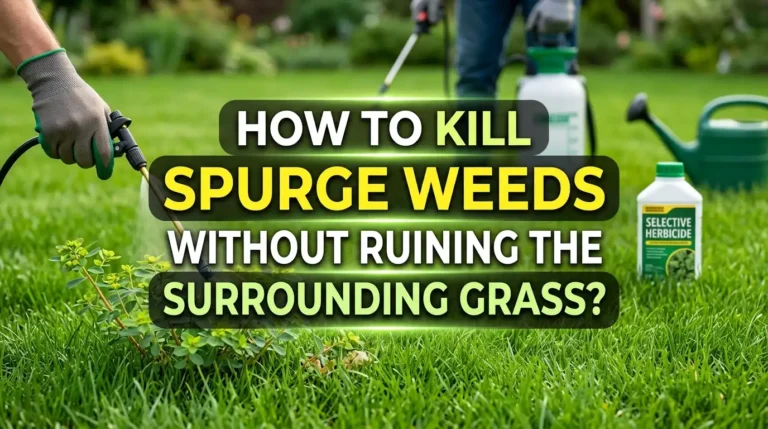

How to Eradicate Dandelions Without Harming the Surrounding Grass?
Dandelions pop up fast. One day your lawn looks perfect. The next day, yellow flowers cover the grass.
You want them gone. But you also want your grass to stay green and healthy.
The good news? You can remove dandelions without damaging your lawn. It just takes the right approach.
Many people spray herbicide everywhere. This kills weeds, but it also hurts the grass around them. That’s a common mistake you can easily avoid.
This article will show you simple, effective ways to eradicate dandelions safely. You will learn about selective herbicides that target weeds only. You will also discover natural methods, like hand digging and vinegar sprays.
In a Nutshell
- Use selective herbicides. These target dandelions but leave your turf grass alone. Trimec formulations work well because they combine 2,4-D and mecoprop.
- Time it right. Apply pre-emergent herbicide in early spring. This stops dandelions before they even sprout.
- Follow up mid-spring. A broad-leaf weed killer treats any dandelions that already appeared.
- Try hand-digging. This is the most natural method. Pull the whole root out so it does not grow back.
- Spot-spray only weeds. Aim directly at dandelions instead of spraying your entire lawn. This protects the grass around them.
- Consider a vinegar solution. Mix vinegar with dish soap for a homemade spray. Apply it straight onto the dandelion leaves.
Why Dandelions Are Hard to Remove Without Damaging Grass
Dandelions are difficult to remove without damaging grass because of how their root systems work. These weeds have deep taproots that anchor firmly into soil. When you pull or dig carelessly, you often damage nearby grass roots and create bare patches in your lawn.
The challenge intensifies because dandelions spread aggressively. Their seeds travel on the wind and land throughout your yard. Even if you remove visible plants, new ones sprout constantly. This means you need an ongoing strategy, not just a one time fix.
Grass and dandelions also respond differently to treatment methods. Broad spectrum herbicides kill both weeds and grass equally. This is why selective herbicides exist. They contain ingredients that target dandelion biology specifically while leaving turf grass unharmed. However, these products require precise application to work effectively.
Timing matters tremendously when fighting dandelions. Early spring dandelions are young and easier to manage. Late season applications often fail because plants have already stored energy in their roots. If you miss the optimal window, removal becomes messier and riskier for your lawn.
Another complication involves accidental spray drift. When you apply herbicide, wind can carry liquid onto nearby grass blades. Even small amounts can cause damage or brown patches. This is why spot spraying individual weeds works better than broad coverage.
The soil itself complicates removal too. Compacted soil makes hand digging harder and risks tearing grass. Moist soil allows cleaner extraction, but timing rain with your removal efforts takes planning.
Understanding these obstacles helps you choose the right removal method. You can succeed without lawn damage when you respect how dandelions grow and respond to treatment.
Understanding Selective Herbicides vs. Natural Removal Methods
Selective herbicides and natural removal methods each have distinct advantages. Understanding the differences helps you pick the right approach for your lawn.
Selective herbicides work by targeting broad-leaf plants like dandelions while leaving grass unharmed. These products contain active ingredients that penetrate dandelion leaves and disrupt their growth. Your grass survives because it has a different leaf structure. The herbicide passes right through without causing damage.
Natural removal methods rely on physical removal or household ingredients. Hand-digging removes the entire root system when done correctly. Vinegar solutions burn down dandelion foliage through direct contact. Dish soap helps the vinegar stick to leaves longer.
The main difference comes down to speed versus effort. Selective herbicides work faster and require less physical labor. You simply spray and wait for results. Natural methods demand more time and repeated applications. Vinegar solutions may need multiple treatments over several weeks.
Cost considerations also differ between approaches. Selective herbicides involve purchasing commercial products. Natural methods use items you likely have at home already.
Effectiveness varies based on dandelion maturity and lawn conditions. Selective herbicides perform best on young weeds during active growth. Natural methods work better on small dandelions rather than established plants.
Environmental impact matters to many homeowners. Natural methods pose no chemical risks to pets or groundwater. Selective herbicides, when applied correctly, remain localized to treated areas.
The best choice depends on your priorities. Choose selective herbicides if you want quick, reliable results. Pick natural methods if you prefer chemical-free solutions and have time for repeated applications. Many homeowners combine both approaches seasonally for optimal dandelion control throughout the year.
Step-by-Step: Preventing Dandelions with Pre-Emergent Herbicide
Pre-emergent herbicide stops dandelions before they sprout. You apply this treatment in early spring, typically between February and April depending on your climate. The goal is to create a barrier in your soil that prevents dandelion seeds from germinating.
Start by checking your local weather patterns. Dandelion seeds germinate when soil temperatures reach 55 to 60 degrees Fahrenheit consistently. Apply pre-emergent herbicide about two weeks before this happens in your area. This timing gives the product time to settle into the soil.
Read the label directions carefully before application. Different products have different coverage rates and mixing instructions. Some require water activation while others work immediately after spreading. Never skip this step because incorrect mixing reduces effectiveness.
Apply the pre-emergent evenly across your entire lawn. Use a spreader to ensure consistent coverage. Pay special attention to problem areas where dandelions appeared last year. These spots often have more viable seeds waiting in the soil.
Water your lawn after application if the label recommends it. This helps activate the herbicide and moves it into the root zone where dandelion seeds germinate. Check your local rainfall forecast. Heavy rain shortly after application can wash away the product before it becomes effective.
Pre-emergent herbicide works best as part of a seasonal strategy. This method alone won’t eliminate existing dandelions. You’ll still need broad-leaf weed killer in mid-spring for plants that already sprouted. Combined with proper lawn maintenance like regular mowing and watering, pre-emergent herbicide significantly reduces dandelion problems year after year.
Step-by-Step: Treating Existing Dandelions with Broad-Leaf Weed Killer
Broad-leaf weed killers work by targeting plants with wide leaves, like dandelions, while your grass survives. These selective herbicides attack the plant’s system without harming narrow-leafed turf grasses.
Start by reading the label directions completely. Each product has specific mixing ratios and application rates. Follow these instructions exactly to avoid damaging your lawn.
Choose a calm, dry day for spraying. Wind carries spray drift onto nearby plants. Rain within a few hours after application can wash away the herbicide before it works. Ideally, spray when temperatures stay between 60 and 85 degrees Fahrenheit.
Fill your sprayer with the diluted herbicide mixture. Shake or stir thoroughly to ensure even concentration. Test spray on a small area first if you’re unsure about the product’s strength.
Target each dandelion individually. Point your sprayer nozzle directly at the plant’s leaves. Coat the entire leaf surface until it’s wet but not dripping. Avoid spraying surrounding grass blades. This precision prevents accidental damage to your turf.
Work systematically across your lawn. Mark treated areas mentally so you don’t miss any dandelions or accidentally respray the same spot.
Wait at least three to seven days before mowing. The herbicide needs time to move through the plant’s system. Most dandelions show signs of wilting within two weeks.
Check your lawn after this period. Some stubborn dandelions may need a second application. Reapply according to label directions if necessary.
Dispose of leftover herbicide properly. Don’t pour it down drains or into storm sewers. Contact your local waste management facility for safe disposal options. Store unused product in its original container in a cool, dry place away from children and pets.
Hand-Digging Technique for Safe, Chemical-Free Removal
Hand digging removes dandelions completely without chemicals. This method works best on young plants before they establish deep roots.
Start by watering your lawn thoroughly. Moist soil makes digging easier and reduces root breakage. Wait a few hours after watering so the ground is damp but not soggy.
Use a narrow spade or weeding fork designed for this task. Insert the tool about six inches away from the dandelion’s center. Push the blade down at a slight angle toward the plant’s base.
Dig straight down about four to six inches deep. Dandelion taproots extend far underground. If you leave pieces behind, the plant will regrow from remaining root fragments.
Gently pry the soil upward while supporting the dandelion stem with your other hand. Work slowly to avoid snapping the root. Lift the entire plant and root system from the ground.
Shake excess soil from the root back onto your lawn. Inspect the hole to ensure no root pieces remain. Fill any remaining gaps with soil or grass seed.
Place removed dandelions in a compost bin or yard waste container. Don’t leave them on your lawn where they might reseed.
This method takes patience and physical effort. Each plant requires only five to ten minutes of work. The advantage is immediate, complete removal without chemicals drifting onto nearby grass.
Hand digging works especially well for small infestations or scattered plants. For large dandelion patches, combine this approach with other methods. Repeat digging throughout the growing season as new plants emerge.
Natural Vinegar and Dish Soap Spray Method
Vinegar and dish soap create an effective natural spray for eliminating dandelions. This method works because vinegar contains acetic acid, which desiccates plant tissues. The dish soap helps the vinegar stick to dandelion leaves longer.
Mix a solution using household white vinegar and a small amount of liquid dish soap. Use vinegar with at least 5 percent acetic acid concentration. Add just a few drops of soap to one quart of vinegar. Stir the mixture gently to combine.
Apply this spray directly onto dandelion leaves on a calm, dry day. Wind will carry the liquid away from your target plants. Avoid spraying when rain is expected within 24 hours. The moisture prevents the vinegar from working effectively.
Use a spray bottle or garden sprayer to apply the solution. Target only the dandelion leaves and flowers. Keep the nozzle pointed away from surrounding grass. Spray until the dandelion leaves are completely wet but not dripping.
The vinegar will burn down dandelion foliage within 24 to 48 hours. Leaves turn brown and wilt. However, this method may not kill the entire root system. Dandelions can regrow from remaining root pieces. You may need to respray after two weeks if new growth appears.
This natural approach suits homeowners who prefer avoiding synthetic chemicals. It costs very little since you use common household items. The method works best on young dandelions with shallow roots.
For established plants with deep taproots, combine this spray method with hand digging. Remove the visible plant first, then spray any regrowth. Repeat applications throughout the growing season keep new dandelions under control.
Common Mistakes That Damage Grass While Killing Dandelions
Many people accidentally damage their grass while trying to eliminate dandelions. Understanding these common mistakes helps you protect your lawn while removing weeds effectively.
Spraying too broadly is the biggest error homeowners make. When you spray herbicide across a large area instead of targeting individual plants, the chemicals drift onto surrounding grass. Selective herbicides work best when applied directly to dandelion leaves only. Broad application kills the grass you want to keep.
Using the wrong herbicide type causes significant damage. Non-selective weed killers eliminate everything they touch, including your turf. Always choose selective herbicides designed specifically for broad-leaf weeds like dandelions. Read the label carefully to confirm it won’t harm your grass species.
Applying herbicide at the wrong time reduces effectiveness and increases grass damage risk. Spring applications work best when dandelions are actively growing. Applying too early or too late means you’ll need to respray, exposing more grass to chemicals.
Ignoring weather conditions creates another problem. Spraying on windy days allows spray drift to reach nearby plants. Rain shortly after application washes the herbicide away before it works. Apply treatments on calm, dry days for maximum safety and effectiveness.
Mowing too soon after treatment damages both the herbicide’s effectiveness and your grass. Wait at least three to seven days after spraying before mowing. This allows the herbicide time to work through the plant’s system.
Over-concentrating the herbicide mixture burns grass blades accidentally. Always follow label directions for dilution ratios precisely. More concentrated solutions don’t work better and create unnecessary risk.
These mistakes are easily preventable. Focus on targeted application, correct product selection, and proper timing for successful dandelion removal without grass damage.
Troubleshooting: When Dandelions Keep Coming Back
Dandelions often return because their taproots survive incomplete removal or seeds germinate from the soil. Understanding why they keep coming back helps you stop the cycle.
Incomplete root removal is the primary reason dandelions reappear. When you hand dig, if even a small piece of the taproot remains in the soil, the plant regenerates. The root can extend six to eight inches deep, making thorough extraction difficult. Each season, surviving root fragments send up new shoots.
Seed dispersal creates another comeback problem. Dandelion seeds travel on the wind and land in your lawn throughout spring and summer. If you remove visible plants but don’t prevent seed formation, new plants establish quickly. Seeds can remain viable in soil for years, waiting for the right conditions to sprout.
Timing your treatment matters significantly. If you apply broad leaf weed killer too late in the season, new seeds have already dropped. Pre emergent herbicides work best when applied in early spring before seeds germinate. This preventive step stops problems before they start.
Soil conditions affect success rates. Compacted soil makes hand digging nearly impossible and allows dandelion seeds to establish more easily. Aerating your lawn improves grass density, which naturally crowds out dandelion seedlings.
Consistent follow up treatment prevents regrowth. One application rarely eliminates all dandelions permanently. Plan for repeat applications every two to three weeks during the growing season. Combine multiple methods for better results: use pre emergent in spring, apply broad leaf killer in mid spring, and hand dig any survivors.
Persistence beats dandelions. Most lawns need ongoing management rather than one time solutions.
Final Thoughts
Removing dandelions without harming your grass takes the right plan. You need patience, timing, and consistency to win this battle.
Selective herbicides remain your best chemical option. They target broadleaf weeds like dandelions while leaving grass safe. Always read labels before you spray anything.
Natural methods work well too. Hand digging removes the whole taproot. Vinegar and dish soap sprays burn away foliage fast. These options suit homeowners who avoid synthetic chemicals.
Timing changes everything. Apply pre-emergent herbicide in early spring. This stops seeds before they sprout. Then use broadleaf weed killer mid spring to treat plants already growing.
Avoid common mistakes that hurt your lawn. Spray only the dandelions, not the whole yard. Wrong timing or wrong product type damages grass instead of protecting it.
Weather matters during treatment. Calm, dry days work best for spraying. Wind carries chemicals onto grass you want to protect. Rain washes away your efforts before they work.
Consistency brings real results. One treatment rarely finishes the job. Dandelions return from missed roots or leftover seeds in soil. Follow up treatments stop this cycle.
Combine methods for stronger results. Pair pre-emergent products with broadleaf killers for full season protection. Mix hand digging with vinegar sprays for a natural approach.
Your lawn deserves care during this process. Healthy grass resists weeds better than stressed grass. Water and mow properly alongside your dandelion treatment plan.
Eradicating dandelions without harming grass is achievable. It just needs the right method, correct timing, and steady effort. Stay consistent, target weeds precisely, and your lawn will stay healthy and dandelion free.
Frequently Asked Questions
Can I use vinegar to kill dandelions safely?
Yes, vinegar works as a natural option. Mix household vinegar with a small amount of dish soap in a spray bottle. The soap helps the vinegar stick to dandelion leaves. Spray the solution directly onto the weeds on a sunny day. Vinegar is acidic and burns down the plant quickly. This method won’t harm your grass if you avoid spraying nearby blades. Reapply every few days if dandelions return. Vinegar works best on young, tender plants rather than mature ones with thick taproots.
What’s the difference between pre emergent and broad leaf herbicides?
Pre emergent herbicides stop dandelion seeds from sprouting in spring. Apply these early, before seeds germinate. Broad leaf herbicides kill existing dandelions that already grew. You use these mid spring after plants appear.
Using both in sequence gives better results than either alone. Pre emergent prevents new problems. Broad leaf killer eliminates what’s already there. Together, they create a strong defense against dandelions returning year after year.
Is hand digging really effective for dandelion removal?
Hand digging removes the entire taproot, which is the main reason dandelions come back. Use a weeding tool or small shovel to dig deep into the soil. Pull slowly and steadily to extract the whole root system.
This method takes more time but causes zero grass damage. It works best when soil is moist after rain. Hand digging is the safest option for small problem areas. For large lawns with many dandelions, combine hand digging with selective herbicides for faster results.
When should I treat my lawn for dandelions?
Early spring is ideal for pre emergent application. Soil temperatures should reach 55 degrees Fahrenheit consistently. Apply broad leaf herbicides mid spring when dandelions actively grow. Avoid treating during extreme heat or drought. Never spray before rain within 24 hours. Timing affects how well your grass stays protected during treatment.

Hi, I’m Jane! As a passionate gardener and product enthusiast, I spend my days testing garden tools, comparing products, and writing honest reviews so you don’t have to learn the hard way. Got a question? Feel free to reach out — I’d love to hear from you!