How to Eradicate Bindweed Roots From Deep Within Your Lawn?
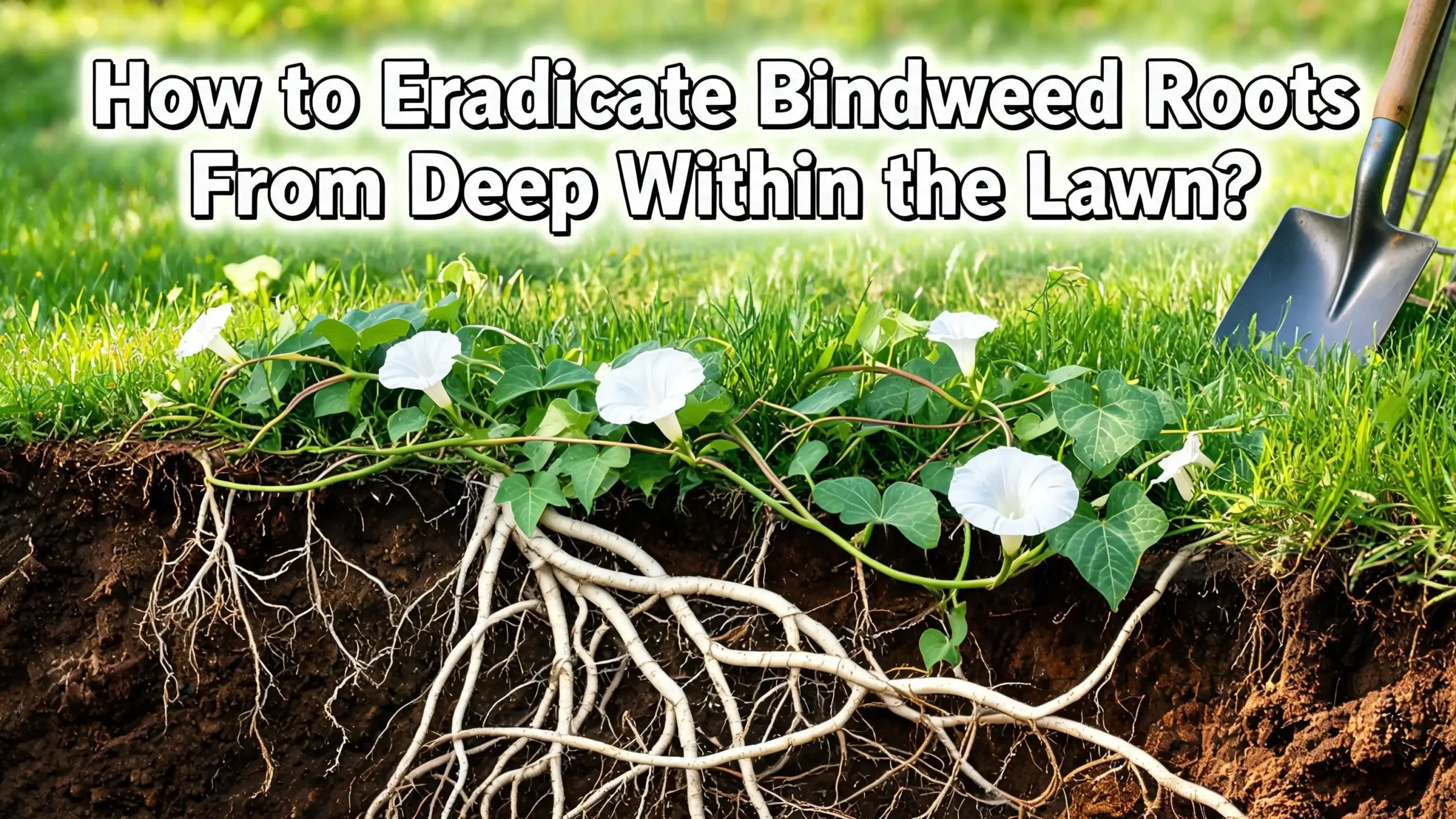
Bindweed is the nightmare that keeps growing back. You pull it. You spray it. You even dig it out with a fork. Yet two weeks later, fresh green shoots twist up through your turf like nothing happened. That is because bindweed roots can reach 10 to 20 feet deep into the soil.
A tiny fragment, just 2 inches long, buried a foot underground can sprout a brand new plant. This weed stores energy reserves in a vast network of underground roots and rhizomes, which means the real battle happens beneath the surface, not above it.
If you have tried everything and still see those small, trumpet shaped flowers poking through your lawn, you are not alone. Millions of homeowners deal with this aggressive perennial each growing season.
The good news? You can win this fight. It takes the right strategy, consistent effort, and a solid understanding of how bindweed works. This guide will walk you through proven, practical methods to eradicate bindweed roots from deep within your lawn and reclaim your green space for good.
In a Nutshell
- Bindweed roots grow extremely deep, sometimes reaching 20 feet or more underground. Most of the horizontal root mass sits in the top two feet of soil, but vertical tap roots dive much deeper. This means surface removal alone will never solve the problem. You need a plan that targets the root system over multiple seasons.
- Consistent effort is the key to success. According to weed science research, digging up bindweed every two to three weeks throughout the growing season for a minimum of three to five years can deplete the root reserves. Skipping sessions gives the plant time to recover and send energy back underground.
- Herbicide applications work best during flowering. If you choose to use a systemic herbicide, the ideal window is summer through early autumn. The plant actively sends nutrients from its leaves down to its roots during this period, which carries the herbicide deeper into the system.
- A thick, healthy lawn is your best defense. Dense turf shades the soil and competes with bindweed for water and nutrients. Proper fertilization, regular mowing at the right height, and core aeration all help your grass crowd out this aggressive weed.
- Combining methods gives you the fastest results. No single approach eliminates bindweed quickly on its own. A combination of manual removal, selective herbicide use, lawn strengthening, and smothering techniques gives you the best chance of permanent eradication.
What Is Bindweed and Why Is It So Hard to Kill
Bindweed belongs to the morning glory family. The two most common types are field bindweed (Convolvulus arvensis) and hedge bindweed (Calystegia sepium). Field bindweed is more common in lawns. It produces small, white or pink trumpet shaped flowers and has arrow shaped leaves that distinguish it from true morning glories, which have heart shaped leaves.
The real power of bindweed lies underground. A single field bindweed plant can spread 10 to 18 feet horizontally and 20 feet deep in just one growing season. Its root system stores enormous energy reserves. New shoots draw on this stored energy for the first 7 to 10 days after emerging. After about 14 days, the above ground plant begins sending energy back to strengthen the roots.
This underground energy cycle is why bindweed survives repeated cutting. Mowing only removes the visible growth. The root system below remains fully intact and well fed. Seeds also pose a problem. Bindweed seeds can survive in the soil for 20 to 50 years, waiting for the right conditions to germinate. A single plant may produce up to 600 seeds per year.
How Deep Do Bindweed Roots Actually Grow
Understanding root depth helps you choose the right removal strategy. Research from Oregon State University shows that most horizontal bindweed roots grow in the top two feet of soil. However, vertical tap roots can extend 9 to 20 feet deep, depending on soil type and conditions.
In heavy clay soils, roots tend to stay shallower because the dense material makes deep penetration difficult. In sandy or loamy soils, roots can dive much deeper. Root fragments as small as 2 to 3 inches can regenerate into a full plant. This means even careful digging can leave behind enough material to restart the infestation.
The depth of the root system also explains why surface treatments often fail. A single herbicide application may kill the top portion of the root system but leave the deeper sections alive. Those deep roots then send up new shoots within weeks. This is why multiple treatments over several seasons produce the most reliable results.
How to Identify Bindweed in Your Lawn
Correct identification matters because treatment methods differ between weeds. Bindweed leaves are small and arrow shaped, typically 1.5 to 2.5 inches long. The leaf tips are rounded on field bindweed and pointed on hedge bindweed. Both types have smooth, green, alternate leaves along twining stems.
The flowers are funnel shaped, similar to morning glories but smaller. Field bindweed flowers measure about 1 inch across and are white to light pink. Hedge bindweed flowers are larger, up to 3 inches, and usually bright white. If you break a young bindweed stem, it releases a milky white sap, which is a reliable identification marker.
Bindweed stems grow along the ground until they find something to climb. In a lawn, the vines often stay low and weave through grass blades. You might first notice them as thin, twining stems with small leaves that seem to appear overnight. Do not confuse bindweed with annual morning glory, which has larger heart shaped leaves and purple or lavender flowers. Morning glory dies each winter and does not have the deep perennial root system.
Why Mowing Alone Will Not Stop Bindweed
Many homeowners assume that frequent mowing will weaken bindweed over time. Unfortunately, mowing is one of the least effective control methods for this particular weed. Bindweed adapts to regular cutting by growing lower to the ground and producing leaves below the mowing height.
The stems are flexible and often escape the mower blade by lying flat between grass blades. Even when the mower does clip bindweed growth, the root system remains completely undamaged. The plant simply sends up new shoots from underground buds within days.
Mowing does prevent bindweed from flowering and producing seeds, which provides some benefit. Reducing seed production limits the spread to new areas. But for an established infestation, mowing alone will not deplete the root reserves. You need to combine mowing with other strategies that directly target the underground root system.
Manual Removal: Digging Out Bindweed Roots
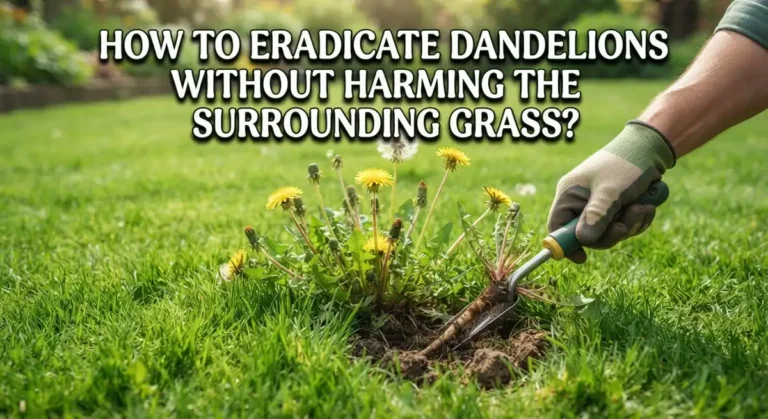
Digging is one of the most effective organic methods for removing bindweed. The key is depth and consistency. Use a garden fork rather than a spade because the fork allows you to loosen soil without slicing through roots. Every cut root fragment left behind will produce a new plant.
Push the garden fork at least 12 inches deep around the bindweed growth. Gently lever the soil upward and pull out as much root material as possible. Work carefully and follow the white, fleshy roots as far as you can. Do not rush this process. Patience pays off with fewer regrowth events later.
You must repeat this process every two to three weeks throughout the growing season. Each time you remove the above ground growth and top roots, the deeper root system loses stored energy. Over three to five years of consistent effort, the reserves become too depleted for the plant to recover. Skipping even a few sessions gives bindweed time to photosynthesize and send fresh energy underground, resetting your progress.
Using Herbicides to Kill Bindweed Roots in the Lawn
Herbicides offer a more aggressive approach for severe infestations. The two most commonly used active ingredients for bindweed in lawns are glyphosate and 2,4 D. However, these work very differently, and choosing the wrong one can damage your lawn.
Glyphosate is non selective. It kills every plant it touches, including grass. Use it only for spot treatments on individual bindweed plants. Apply it with a small brush or sponge directly onto bindweed leaves. This avoids harming surrounding turf. The plant absorbs the herbicide through its leaves and translocates it down to the roots.
2,4 D is selective and kills broadleaf weeds like bindweed without harming most grass types. This makes it a better choice for treating bindweed across larger lawn areas. Apply it during the summer when bindweed is actively flowering. The plant moves more nutrients to its roots during this period, which carries the herbicide deeper into the system.
A single application rarely kills the entire root system. Expect to apply herbicide two to three times per season for at least two consecutive seasons. Always follow the label instructions. More product does not mean better results. Overapplication can damage soil health without improving weed control.
Smothering Bindweed With Mulch and Cardboard
Smothering is an effective organic strategy, especially for areas where you do not need active lawn coverage. Lay thick cardboard directly over the bindweed growth and cover it with 4 to 6 inches of wood chip mulch. This blocks all sunlight and prevents photosynthesis. Without light, the plant cannot produce energy to sustain its root system.
Keep the smothering layer in place for at least 12 to 18 months, though two to three years is more reliable for complete eradication. Check the edges regularly because bindweed will search for any gap or opening to push through. Extend the covered area at least two feet beyond the visible infestation to account for horizontal root spread.
Landscape fabric alone is not enough. Bindweed is strong enough to push through most woven fabrics. Gardeners frequently report bindweed growing directly through standard landscape fabric within weeks. Cardboard works better because it holds moisture, promotes microbial activity that breaks down organic matter, and creates a denser barrier. The combination of cardboard and heavy mulch gives you the strongest smothering effect.
Solarization: Using the Sun to Cook Bindweed Roots
Soil solarization uses clear plastic sheeting and summer heat to raise soil temperatures high enough to kill weed roots and seeds. This method works best in hot, sunny climates and requires several weeks of consistent high temperatures to be effective.
To solarize, water the infested area thoroughly, then cover it with clear plastic sheeting. Anchor the edges with soil, bricks, or landscape staples. Leave the plastic in place for four to six weeks during the hottest part of summer. The trapped heat can raise soil temperatures to 140°F or higher in the top few inches, killing roots, seeds, and soil pathogens.
Solarization has limitations for deep bindweed roots. The heat penetrates effectively to about 6 to 12 inches deep. Deeper roots may survive, especially in cooler climates or areas with partial shade. For best results, combine solarization with repeated digging or herbicide application after removing the plastic. This catches any surviving root fragments before they can regrow.
Building a Thick Lawn to Outcompete Bindweed
One of the best long term defenses against bindweed is a dense, healthy lawn. Thick turf shades the soil surface, which reduces bindweed seed germination. Strong grass also competes aggressively for water and nutrients, making it harder for bindweed to establish.
Fertilize your lawn two to four times per year with adequate nitrogen to encourage thick growth. The specific amount depends on your grass type and climate zone. Core aerate your lawn once a year, ideally in the fall, to reduce soil compaction and help grass roots grow deeper. Overseed thin or bare spots immediately because these open areas are the first places bindweed will colonize.
Mow at the tallest recommended height for your grass type. Taller grass blades shade the soil more effectively and promote deeper root growth in your turf. Avoid scalping the lawn, which stresses the grass and opens space for weeds. Water deeply but less frequently to encourage grass roots to grow deeper while discouraging the shallow root growth of many weeds. A strong, vigorous lawn is your first and last line of defense against bindweed reinvasion.
The Importance of Timing Your Bindweed Treatments
Timing can make or break your bindweed control efforts. The most effective treatment window is during flowering, which typically occurs from mid summer through early fall. During this phase, the plant actively transports sugars and nutrients from its leaves down to its root system. Any systemic herbicide applied to the leaves travels the same path.
Spring treatments are less effective because the plant is using stored root energy to push up new shoots. The flow of energy is moving upward, which means herbicides applied to leaves are less likely to reach the deep roots. If you dig in spring, you remove top growth but the root system is at its strongest and recovers quickly.
Fall is another good treatment window. As days shorten, bindweed begins storing energy for winter dormancy. Herbicides applied at this time follow the downward flow of nutrients into the roots. For manual removal, late summer and fall digging depletes reserves just before the plant needs them most for winter survival. Plan your most aggressive efforts for July through September for the best results.
How to Prevent Bindweed From Coming Back
Prevention is critical after you have cleared bindweed from your lawn. Bindweed seeds can survive 20 to 50 years in the soil, so you must remain watchful for new seedlings even after the root system is dead. Inspect your lawn regularly during the growing season and remove any new bindweed sprouts immediately.
Avoid importing contaminated soil, mulch, or compost. Bindweed fragments can hitch a ride in bulk materials. Ask your supplier about weed screening processes before purchasing. If you bring in new topsoil, inspect it carefully and monitor the area for emerging weeds during the first growing season.
Maintain your lawn’s thickness and health year round. Fill bare patches with grass seed promptly. Keep up with your fertilization and aeration schedule. A well maintained lawn creates an environment where bindweed struggles to compete. Also, avoid unnecessary tilling or soil disturbance, which brings buried seeds to the surface and creates the loose, open soil conditions that bindweed loves.
Creating a Multi Year Eradication Plan
Complete bindweed eradication requires a multi year commitment. Set realistic expectations from the start. Most successful eradication programs take three to five years of consistent effort. Here is a practical plan to follow.
Year one: Identify all bindweed patches in your lawn. Begin digging every two to three weeks from spring through fall. Apply selective herbicide during the flowering period in summer. Overseed and fertilize your lawn to improve turf density. Remove every flower before it can produce seeds.
Year two: Continue digging and herbicide treatments on the same schedule. You should notice fewer and weaker shoots emerging. Keep pulling every sprout you see, even if it seems minor. Strengthen your lawn with fall aeration and overseeding. Monitor edges and boundaries where bindweed could creep in from neighboring properties.
Year three and beyond: Shift to a monitoring and maintenance phase. Scout your lawn weekly during the growing season. Remove any new shoots immediately by hand. Continue your lawn care routine to keep turf thick and competitive. If any significant regrowth occurs, resume active treatment. Persistence is the single most important factor in permanently eradicating bindweed from your lawn.
Common Mistakes That Help Bindweed Survive
Several common errors allow bindweed to recover and spread despite control efforts. Inconsistent treatment is the biggest mistake. Pulling bindweed once a month instead of every two to three weeks gives the plant enough time to regenerate and feed its roots. One missed session can undo weeks of progress.
Tilling or rototilling an infested area is another frequent mistake. Tilling chops bindweed roots into dozens of small fragments, and each fragment grows into a new plant. What started as one patch can become dozens of scattered plants across your entire lawn or garden bed.
Pulling the vine instead of digging the root also wastes effort. When you pull a bindweed stem, it snaps at the soil surface and leaves the entire root system intact. The plant simply produces a new stem from the same root. Always use a fork to dig down and extract as much root material as possible. Finally, applying herbicide at the wrong time of year reduces its effectiveness. Spring applications rarely reach deep roots because the plant’s energy flows upward during early growth.
Natural and Organic Alternatives Worth Trying
If you prefer to avoid synthetic herbicides, several organic methods can help control bindweed over time. Repeated hand removal remains the most reliable organic approach. Consistency matters more than method. Pull or dig every two to three weeks without fail.
Vinegar based herbicides (with 20% acetic acid concentration) can burn back bindweed foliage, but they do not kill the roots. They work as a top kill only, similar to mowing. Household vinegar at 5% concentration has almost no effect on bindweed. Use horticultural vinegar carefully because high concentration acetic acid can burn skin and damage nearby plants.
Boiling water poured directly over bindweed crowns can kill the surface growth and scald the top portion of roots. This method requires repeated applications and works best on isolated plants growing through cracks in pavement or along lawn edges. For larger infestations in turf, a combination of cardboard smothering, aggressive hand pulling, and lawn strengthening provides the best organic pathway to long term control.
Frequently Asked Questions
How long does it take to completely kill bindweed?
Complete eradication of bindweed typically takes three to five years of consistent, active treatment. The deep root system stores enough energy to produce new shoots for several seasons even under aggressive management. If you dig every two to three weeks and apply herbicide during the flowering season, you can significantly weaken the plant within two years. However, monitoring should continue for at least five years because dormant seeds in the soil can germinate and restart the infestation.
Can I kill bindweed without killing my lawn grass?
Yes. Selective broadleaf herbicides containing 2,4 D kill bindweed without harming most common lawn grasses. Apply the herbicide directly to bindweed leaves during summer when the plant is flowering. You can also remove bindweed by hand with a garden fork, which causes no damage to surrounding turf. Avoid glyphosate on your lawn because it is non selective and will kill grass along with the bindweed.
Will vinegar kill bindweed roots?
Standard household vinegar will not kill bindweed roots. Even horticultural vinegar at 20% acetic acid concentration only burns the foliage and does not translocate to the root system. Bindweed will regrow from its roots within two to three weeks after a vinegar treatment. Vinegar can serve as a temporary knockdown but should not be your primary control method if you want to eradicate the plant permanently.
Does covering bindweed with plastic or cardboard work?
Smothering with cardboard and thick mulch can work, but it requires patience. Keep the covering in place for at least 12 to 18 months, and ideally two to three years for deep rooted infestations. Clear plastic solarization works faster in hot climates but only kills roots in the top 6 to 12 inches of soil. Deeper roots may survive, so follow up with digging or herbicide treatment after removing the cover.
What is the best time of year to treat bindweed?
The best time to treat bindweed is mid summer through early fall when the plant is actively flowering. During this period, nutrients flow downward from the leaves to the roots, carrying systemic herbicides deeper into the root system. Manual digging is most productive during this same window because removing foliage at this stage deprives the roots of the energy they need to survive winter.
Can bindweed spread from my neighbor’s yard to mine?
Yes. Bindweed roots can spread 10 to 18 feet horizontally in a single growing season. Underground rhizomes do not respect property lines. If your neighbor has an active bindweed infestation near your shared boundary, it can easily grow into your lawn. Talk to your neighbor about coordinated control efforts. You can also install a deep root barrier along the property line to slow underground spread, though this is not a guaranteed solution for very deep roots.

Hi, I’m Jane! As a passionate gardener and product enthusiast, I spend my days testing garden tools, comparing products, and writing honest reviews so you don’t have to learn the hard way. Got a question? Feel free to reach out — I’d love to hear from you!